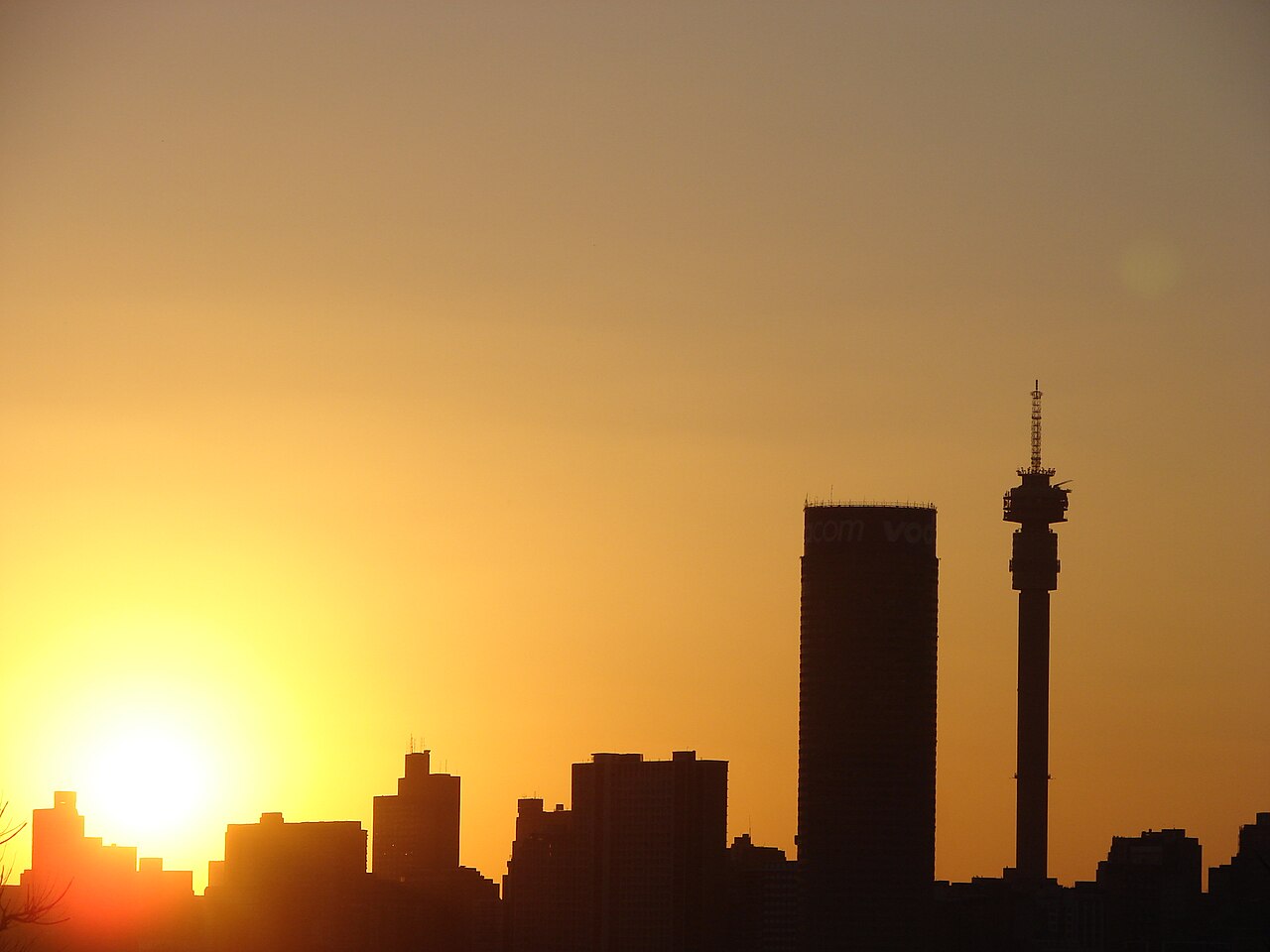
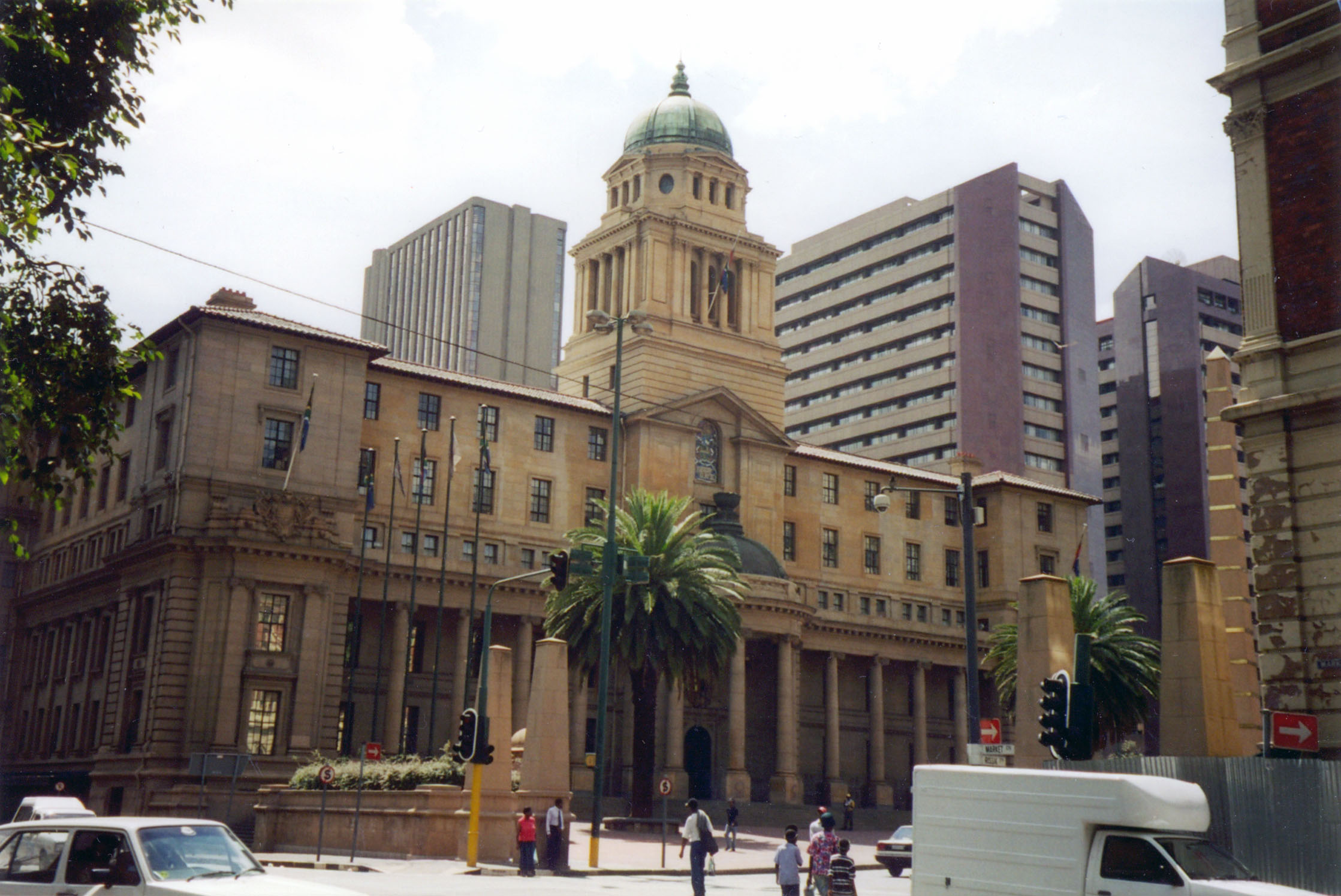
Johannesburg sits at 1,753 metres above sea level, and that altitude changes how our bodies process nutrients and hydration. Yet most nutrition advice is written for sea-level living. It's time we talked about eating well in Joburg's actual conditions.
Start with hydration. At our elevation, your body loses water faster through respiration, and Joburg's dry winters compound this. The evidence is clear: most Joburgers are chronically under-hydrated. A practical baseline is 2.7 litres daily for women and 3.7 litres for men—higher than standard guidelines. Carry a water bottle on Zoo Lake runs or Parkrun sessions; dehydration impairs both performance and nutrient absorption.
Our local produce calendar matters more than generic "eat seasonal" advice. Winter (May–August) brings leafy greens, root vegetables, and citrus from Limpopo and the Eastern Cape—all affordable at Bryanston Organic Market or Johannesburg Fresh Produce Market on Pritchard Street. These are cheaper and more nutrient-dense than imported alternatives. Summer's stone fruits and berries peak November–February. Shopping seasonally typically saves 30–40% compared to off-season imports.
Food security and cost are real in Johannesburg. Whole foods don't need to mean expensive. Dried legumes (lentils, beans, chickpeas) from bulk suppliers in the CBD cost under R30 per kilogram and deliver complete proteins, fibre, and iron. Pair these with locally grown maize meal or brown rice. This combination—a staple across South Africa—is nutritionally sound and evidence-backed for sustained energy.
Our high-altitude environment also affects iron absorption. Johannesburg's population skews towards iron-deficiency risk, particularly among runners and women of reproductive age. Iron from plant sources (legumes, dark leafy greens, fortified grains) absorbs better alongside vitamin C—so combine beans with tomatoes or lentils with citrus. It's not complicated; it's strategic eating.
Food safety matters in our heat. From September onwards, temperatures climb, and foodborne illness risk rises. Store proteins properly, wash produce thoroughly, and avoid keeping prepared food at room temperature beyond two hours. Joburg's healthcare is excellent (Netcare hospitals are world-class), but prevention beats treatment.
Finally, consider your actual lifestyle. If you're running in Joburg's altitude or training for Parkrun, your carbohydrate and electrolyte needs are higher than sedentary recommendations suggest. Fuel accordingly—not with expensive supplements, but with local grains, fruits, and quality salt.
Evidence-based eating isn't trendy or complicated. It's hydrating properly for altitude, shopping seasonally to save money and maximise nutrients, choosing affordable whole foods, and timing meals around your Joburg lifestyle. Start there.
This article was compiled by AI and screened before publishing. See our editorial standards.