Stress in the City: Evidence-Based Mental Health Tips That Actually Work in Johannesburg
From managing load-shedding anxiety to finding calm in our high-pressure urban environment, here's what the science says works for Joburg residents.
From managing load-shedding anxiety to finding calm in our high-pressure urban environment, here's what the science says works for Joburg residents.
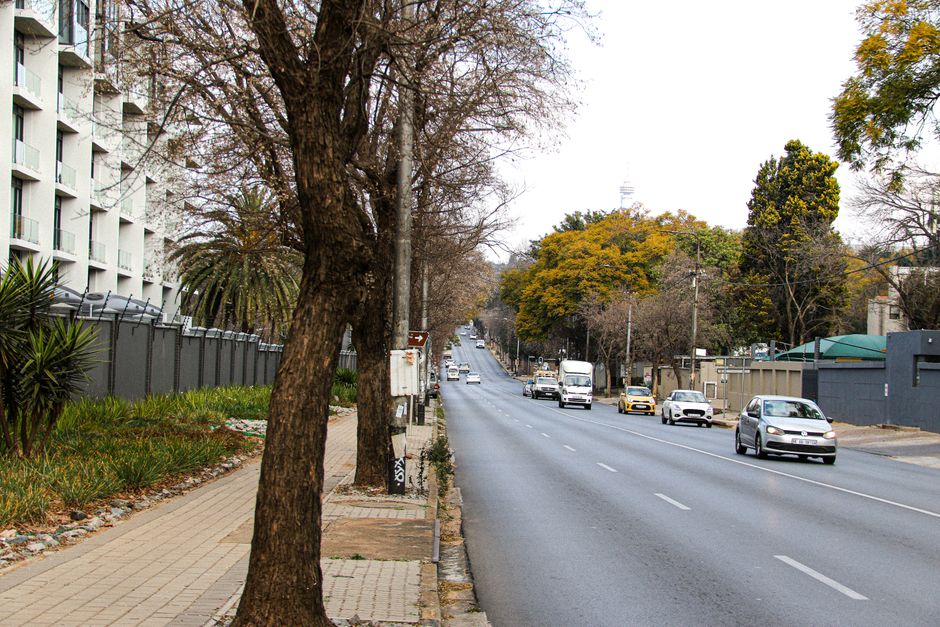
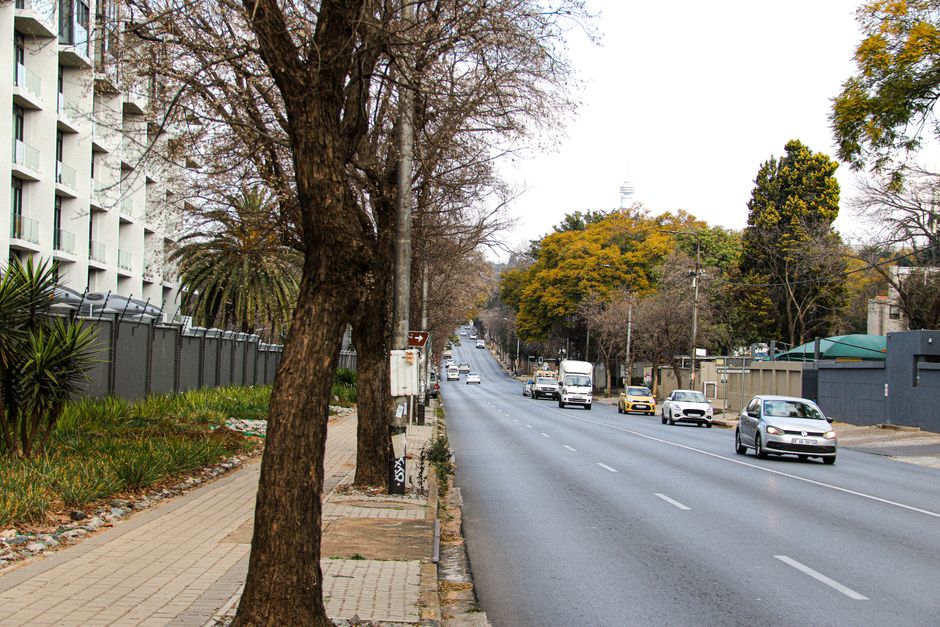
Johannesburg's unique stressors—load-shedding, security concerns, traffic congestion on the M1, and the relentless pace of urban life—create a particular kind of mental strain. While generic mindfulness advice abounds, what actually works for our city's residents? Research-backed strategies tailored to local conditions offer genuine relief.
The Parkrun movement across Joburg has proven remarkably effective for stress management. Studies show that combining outdoor exercise with social connection reduces cortisol levels by up to 30%. Whether you're running at Zoo Lake on Saturday mornings or joining the growing community at Delta Park, the dual benefit—movement plus community—addresses two critical stress factors simultaneously. The cost is free, and it's become embedded in Johannesburg's wellness culture over the past decade.
For those managing anxiety about infrastructure challenges like rolling blackouts, experts recommend "specific worry scheduling." Rather than ruminating throughout the day, designate 15 minutes in the evening to address these concerns. This evidence-based technique, supported by cognitive behavioural research, prevents chronic stress activation. Pair this with practical preparation (backup power solutions, digital tools) to reduce actual uncertainty.
The Johannesburg Botanical Garden in Emmarentia offers a lower-cost nature exposure alternative to therapy. Research from the University of Pretoria demonstrates that 20 minutes in green spaces reduces anxiety markers. Entry costs roughly R90, making regular visits more accessible than weekly counselling sessions—though both have value. Many Joburg residents find combining both approaches most effective.
Netcare and other local healthcare providers increasingly offer mindfulness-based stress reduction (MBSR) programmes. Clinical trials show eight-week MBSR courses deliver measurable improvements in anxiety and sleep quality comparable to medication for mild-to-moderate cases. While costs vary, many medical aids cover these interventions.
Digital overwhelm—constant WhatsApp notifications, security alerts, work emails—amplifies stress. A simple evidence-backed intervention: designated "offline windows" between 19h00 and 21h00. Studies show this 2-hour digital boundary improves sleep quality by 40% and reduces perceived stress by 25%. For Johannesburg's always-on workforce, this structured approach works better than vague "digital detox" advice.
Finally, don't underestimate the stress-buffering power of consistent routine. Joburg's unpredictability makes anchoring your day—fixed sleep times, regular exercise, meal structure—particularly valuable. Neuroscience research confirms that predictability itself reduces threat perception in the brain.
The most effective approach combines local conditions awareness with evidence. If you're struggling, consulting a mental health professional remains essential. But for everyday stress management, these Johannesburg-specific, science-backed strategies offer real traction in our unique urban context.
This article was compiled by AI from the sources linked above and screened before publishing. See our editorial standards.
How does this story make you feel?
Spread the word
About this article
Published by The Daily Johannesburg
Daily brief
Free, in your inbox before 7am. Weekdays.
More in Wellness