The Research-Backed Case for Active Ageing: What Science Says About Senior Mobility in Johannesburg
New evidence shows why staying mobile after 60 isn't just about feeling good—it fundamentally rewires the ageing brain and body.
New evidence shows why staying mobile after 60 isn't just about feeling good—it fundamentally rewires the ageing brain and body.
Every Saturday morning, hundreds of Johannesburg seniors lace up their running shoes for Parkrun sessions across the city—at Zoo Lake, in Randburg, and through the Joburg Botanical Gardens. What once looked like simple weekend recreation now has robust science behind it. Recent research from international gerontology institutes confirms that structured, consistent movement in later life doesn't merely preserve function; it actively reverses certain markers of ageing at the cellular level.
The shift from traditional "rest and recovery" models to active ageing represents a fundamental reorientation in how we understand growing older. Studies published over the past three years show that seniors who engage in regular moderate-intensity exercise—think brisk walking or swimming—demonstrate improved cognitive function, stronger bone density, and better cardiovascular resilience than sedentary peers. For Johannesburg's ageing population, this has practical implications.
Dr-led wellness programmes at Netcare hospitals across Johannesburg and Sandton now routinely incorporate mobility assessments based on the Short Physical Performance Battery, a validated research tool measuring gait speed, balance, and lower-body strength. These aren't arbitrary fitness tests; they predict hospitalisation risk, fall prevention, and independence longevity. Data consistently shows that seniors maintaining even moderate activity levels reduce their risk of age-related decline by up to 40 percent.
The neurological benefits are equally compelling. Aerobic activity in particular stimulates production of brain-derived neurotrophic factor (BDNF), a protein essential for cognitive plasticity. This explains why active seniors often report sharper memory and emotional resilience—it's not anecdotal; it's measurable biochemistry. Research into the "use it or lose it" principle has moved beyond metaphor into documented mechanism.
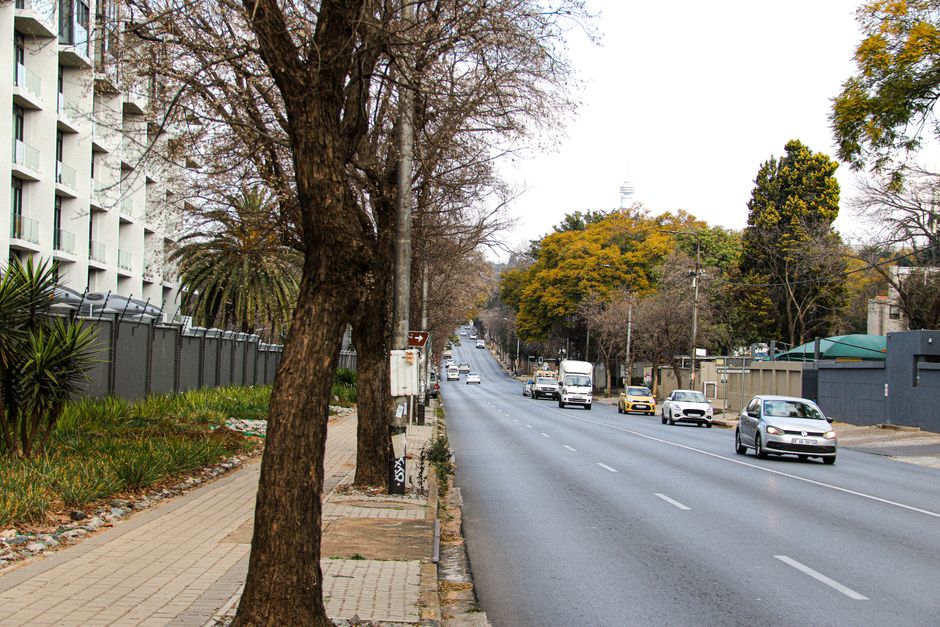
Johannesburg's landscape offers distinct advantages for active ageing protocols. The Joburg Botanical Gardens provide low-impact walking environments with natural terrain variation. Community-based Parkrun events offer cost-effective, social movement opportunities. Even navigating the slopes of northern suburbs like Morningside or Sunninghill constitutes functional strength training when approached mindfully.
The research consensus is clear: active ageing isn't about achieving athletic performance. It's about maintaining neuromuscular integrity, cardiovascular efficiency, and metabolic health through consistent, varied movement. For seniors in Johannesburg, the evidence suggests that weekly structured activity—combined with balance work and strength conditioning—offers measurable protection against the cascade of age-related decline.
The science has spoken. The question now is: are we listening?
This article was compiled by AI from the sources linked above and screened before publishing. See our editorial standards.
How does this story make you feel?
Spread the word
About this article
Published by The Daily Johannesburg
Daily brief
Free, in your inbox before 7am. Weekdays.
More in Wellness