Staying Mobile After 60 in Johannesburg: Evidence-Based Tips That Actually Work for Local Conditions
From altitude adaptation to pavement safety, here's what gerontologists say seniors in Joburg need to know to maintain strength and independence.
From altitude adaptation to pavement safety, here's what gerontologists say seniors in Joburg need to know to maintain strength and independence.
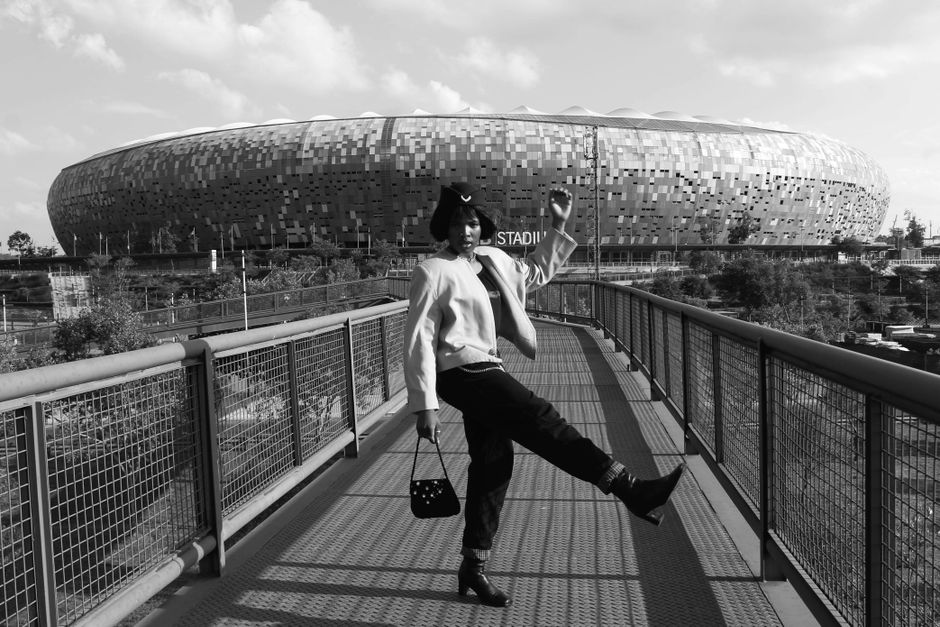
Johannesburg sits at 1,753 metres above sea level—higher than Denver—which means oxygen availability is a real factor for older adults maintaining fitness. Yet this altitude advantage is rarely discussed in local active-ageing conversations. If you're over 60 and serious about staying mobile in Joburg, understanding how your body responds to our elevation is step one.
Research from the University of the Witwatersrand's sports science department confirms that seniors in high-altitude cities benefit from lower-impact aerobic activity. Zoo Lake's 6.4km loop remains ideal, but pace matters more than distance. Evidence shows three 20-minute sessions per week at conversational intensity outperforms one longer weekly effort for preserving cardiovascular function and joint health in people over 65.
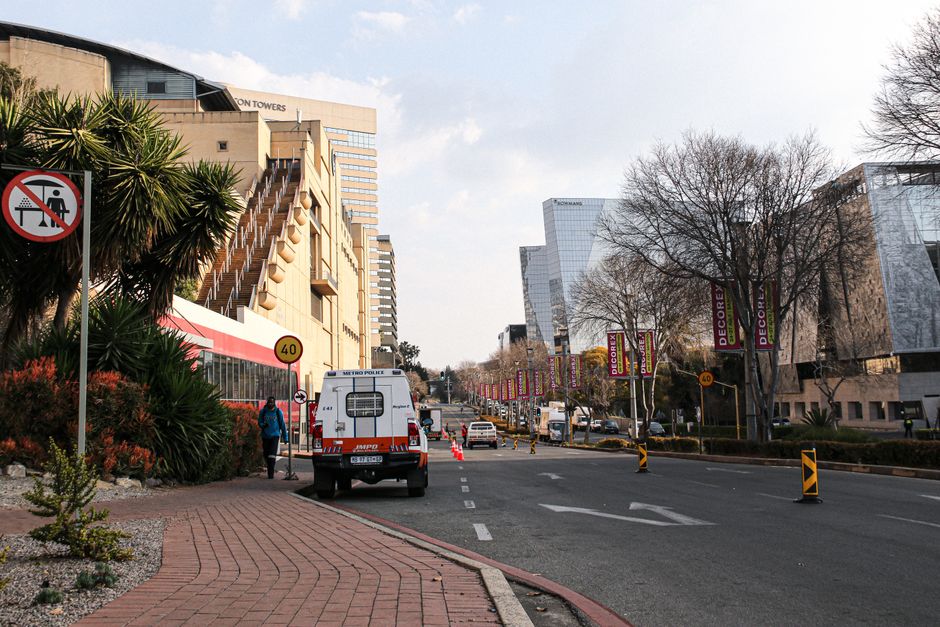
Local pavements present a second consideration. Johannesburg's uneven surfaces—particularly in northern suburbs like Fourways and Sandton—demand proprioceptive training (balance and spatial awareness) that flat-surface walkers miss. Parkrun participants aged 60+ who incorporate one weekly session at botanical gardens routes report fewer falls than those relying on road-only training. The variable terrain naturally strengthens stabiliser muscles.
Temperature extremes matter. Joburg's winter mornings can trigger joint stiffness; summer heat increases dehydration risk. Evidence-based practice: warm up for eight minutes indoors before stepping out, and hydrate 30 minutes before activity, not during. Netcare hospitals' sports medicine teams recommend this sequence, especially for those managing arthritis.
Strength training twice weekly is non-negotiable. Sarcopenia—age-related muscle loss—accelerates after 60, particularly in sedentary periods. Facilities like Johannesburg's community centres and private gyms increasingly offer senior-focused strength classes. Research shows resistance work targeting legs and core prevents the mobility collapse that often follows a single fall or illness.
Security concerns shouldn't sideline you. Early morning Parkrun culture thrives across Johannesburg suburbs because group activity is safer and more sustainable. Social connection itself improves adherence: seniors in group programmes maintain fitness 40% longer than solo exercisers.
Finally, footwear matters more than most realise. Johannesburg's rocky, occasionally potholed terrain demands proper trail shoes, not generic sneakers. Investment here (R800–R1,200 at specialist retailers) prevents ankle injuries that derail independence faster than almost anything else.
The evidence is clear: active ageing in Johannesburg isn't about heroic effort. It's about respecting altitude, terrain, climate, and community. Consult your doctor or a local physiotherapist before starting any new programme—particularly if you have existing health conditions—but know that the city itself offers natural advantages for staying strong.
This article was compiled by AI from the sources linked above and screened before publishing. See our editorial standards.
How does this story make you feel?
Spread the word
About this article
Published by The Daily Johannesburg
Daily brief
Free, in your inbox before 7am. Weekdays.
More in Wellness