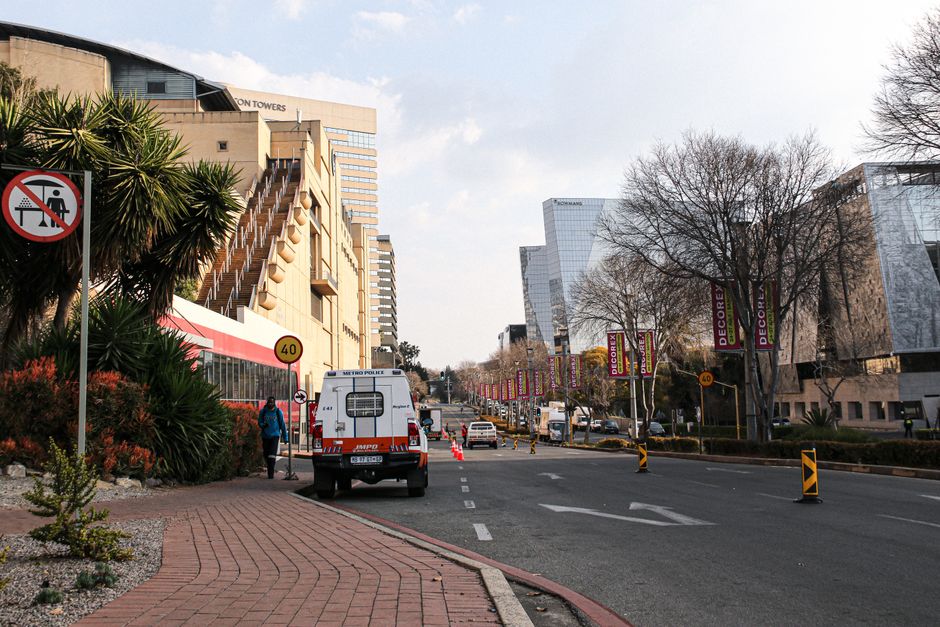
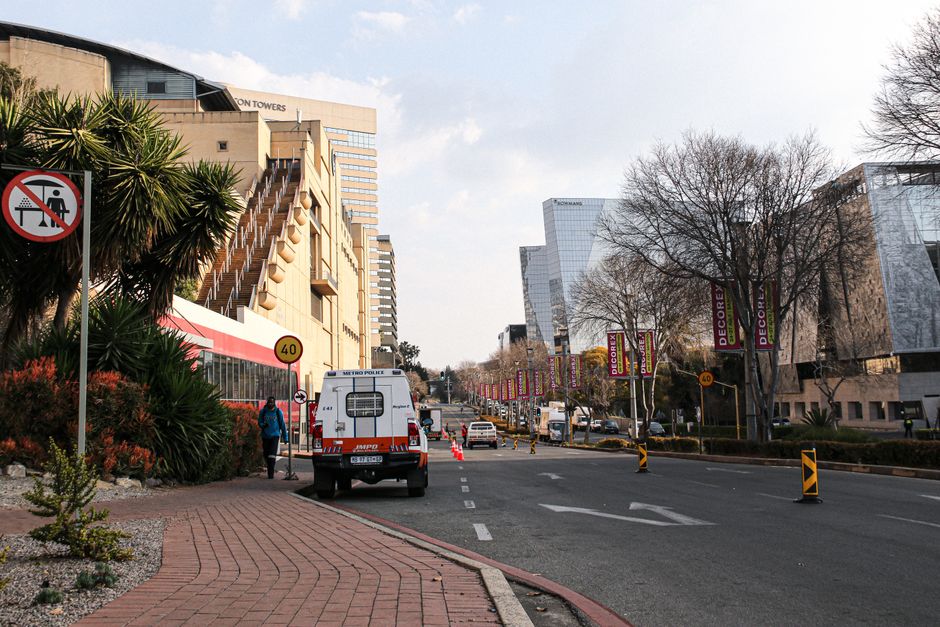
Walk through the organic aisles at Woolworths in Sandton and you'll see the global wellness playbook on full display: activated charcoal, adaptogenic mushrooms, cold-pressed juices at R80 a bottle. Yet venture into the dense food markets of Johannesburg's inner city—Jeppestown's vibrant produce corridors, the informal traders lining Empire Road in Parktown—and a different nutritional reality emerges, one that speaks to how local eating habits diverge sharply from trending celebrity diets.
International wellness culture has spent the past five years evangelising plant-based eating, intermittent fasting and ultra-processed food elimination. Globally, the plant-based food market grew 27% between 2019 and 2024. In Johannesburg, adoption has been slower. While vegan and vegetarian restaurants have opened in Braamfontein and Melville, mainstream Johannesburg—from the suburbs to township areas—still centres protein around chicken, beef and beans, which remain nutritionally sound and economically sensible.
The disconnect becomes clearer when you examine pricing. A 500g container of imported Greek yogurt costs around R95 at major retailers; a litre of locally produced amasi (fermented milk) sells for R25 at spaza shops across Soweto and Alexandra. Both offer probiotics. Both sustain gut health. Yet wellness media rarely features the latter as 'trending.'
This gap reflects a crucial distinction: global nutrition trends often prioritise novelty and aspirational branding over efficacy. Superfoods like quinoa and chia seeds dominate international Instagram feeds, yet nutritionists working with local communities in areas like Orange Farm and Ennerdale report that traditional staples—sorghum, millet, morogo (wild spinach)—deliver equivalent micronutrient density at a fraction of the cost. The Wits Department of Nutrition has documented this for years, yet these foods remain absent from mainstream wellness discourse.
Where Johannesburg *is* aligning with global trends, interestingly, is in the Parkrun movement and outdoor fitness culture—visible every Saturday morning at Zoo Lake and Delta Park. This grassroots wellness adoption suggests local uptake isn't about following dietary dogma, but about sustainable, accessible practices that fit lived reality.
The emerging lesson for Johannesburg isn't to dismiss global trends wholesale, but to curate them critically. Yes, hydration and whole foods matter universally. But nutrition advice that ignores local food systems, budgets and cultural preferences—as much international wellness content does—will always struggle to gain meaningful traction here. True wellness for Johannesburg means honouring what works locally, affordably and within our context.
This article was compiled by AI from the sources linked above and screened before publishing. See our editorial standards.