Walk into any Netcare facility across Johannesburg these days, and you'll notice a shift. The waiting rooms aren't just filled with the acutely unwell. Instead, increasingly, they're populated by seemingly healthy professionals and retirees booking preventive health screenings—often before they experience a single symptom.
This trend towards proactive health management has quietly taken root in South Africa's economic hub, reshaping how Johannesburg residents think about wellness. Rather than waiting for illness to force a doctor's visit, a growing segment of the city's population is embracing comprehensive screening programmes that catch disease early, when treatment is most effective and costs lowest.
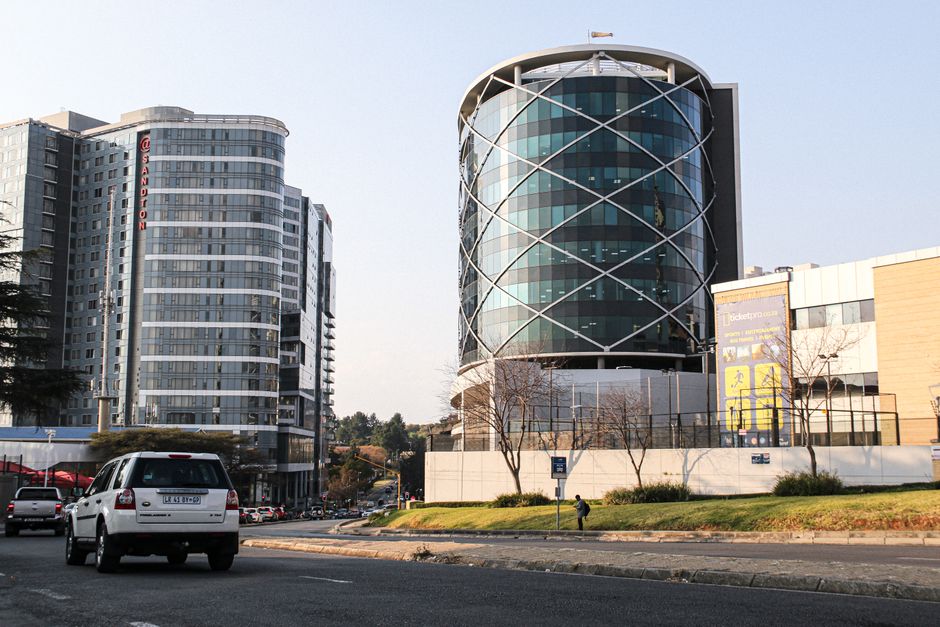
The shift is visible across multiple neighbourhoods. In Sandton and Rosebank, private practices now offer tailored screening packages for professionals in their 40s and 50s. In more established communities like Norwood and Bryanston, GP clinics report rising demand for baseline health assessments. Even the Parkrun community—thousands strong across venues like Zoo Lake and the Botanical Gardens—increasingly discusses health screenings in post-run conversations, reflecting a culture where fitness meets preventive medicine.
"The conversation has changed," says the wellness sector broadly. Where a decade ago preventive care was luxury territory, today it's becoming mainstream expectation. Standard screening packages—covering blood pressure, cholesterol, glucose levels, and baseline cancer screenings—are now offered at competitive rates across the city's medical landscape.
South Africa's healthcare landscape makes this shift particularly relevant for Johannesburg. With private healthcare costs rising and public services stretched, early detection through screening reduces downstream treatment expenses. A colonoscopy or mammogram identified as normal at age 50 can prevent far costlier interventions later. For the city's significant population of medical aid members and privately insured residents, preventive screening is increasingly positioned as smart financial planning, not indulgence.
The practical barriers remain. Cost, time, and access vary dramatically across Johannesburg's socioeconomic zones. What's routine in Constantia Glen differs vastly from availability in Alexandra or Soweto, reflecting broader healthcare inequalities. Yet even in these communities, workplace wellness programmes and NGO-supported screening initiatives are beginning to normalise preventive checks.
For Johannesburg residents considering this trend, the advice remains consistent: consult your local healthcare provider about which screenings suit your age, family history, and risk profile. Whether you're a Zoo Lake regular or a Sandton professional, prevention is increasingly recognised as the city's preferred wellness frontier.
This article was compiled by AI from the sources linked above and screened before publishing. See our editorial standards.