How to start a walking group in your neighbourhood
From route planning to safety protocols, here's what you need to know to launch a thriving community walking initiative in Joburg.
From route planning to safety protocols, here's what you need to know to launch a thriving community walking initiative in Joburg.
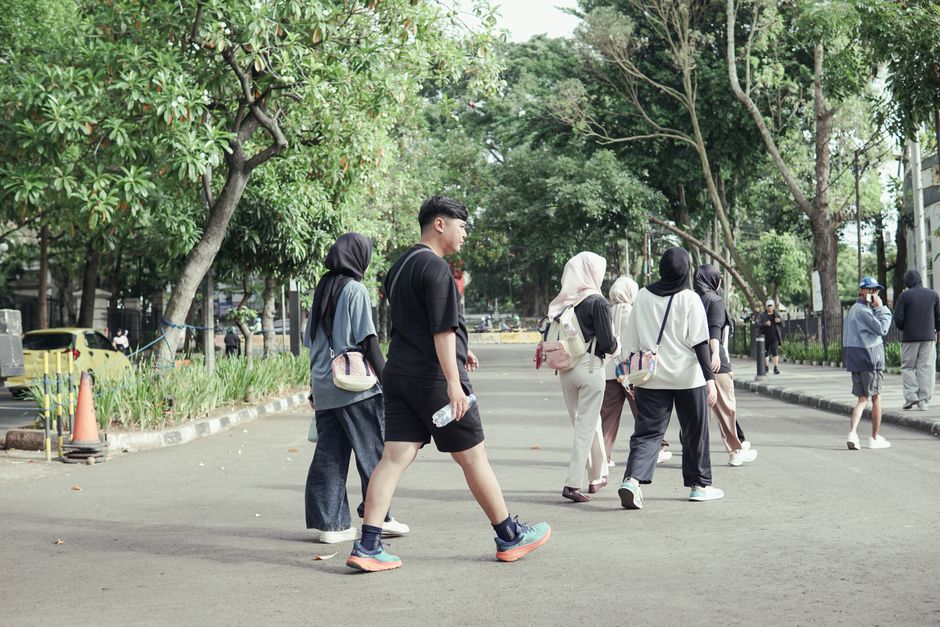
Walking groups have become the heartbeat of Johannesburg's neighbourhood fitness culture. Whether it's the established Parkrun movement that attracts thousands weekly, or informal clusters gathering at Zoo Lake on Saturday mornings, there's proven appetite for group exercise that's low-impact, free or affordable, and deeply social. If you're thinking about starting your own neighbourhood walking group, the framework is simpler than you'd imagine—but requires thoughtful planning.
Begin with your immediate community. Scout a logical starting point: a safe, accessible location like a shopping centre in Sandton, the Joburg Botanical Gardens, or a well-lit public space in Parkhurst or Rosebank. Proximity matters. Most successful neighbourhood groups operate within a 2km radius, making participation friction-free for busy Johannesburg residents juggling work and family commitments.
Safety is non-negotiable in Joburg's context. Choose daylight hours—early mornings between 6am and 8am, or late afternoons around 4pm to 6pm. Establish a WhatsApp group or use free platforms like Meetup to communicate route details, weather updates, and headcount. A modest group of 8–15 people creates safety in numbers without becoming unwieldy. Consider walking in pairs or small clusters within the larger group, and always have a designated leader familiar with the route.
Map your route carefully. A 5km loop works for most fitness levels and takes roughly 45–60 minutes at a comfortable pace. Test it yourself first. North-facing neighbourhoods like Houghton or Fourways offer tree-lined residential streets; areas near Zoo Lake provide natural beauty with established pathways. Avoid poorly lit or isolated stretches.
Keep it free or nearly free. Successful neighbourhood groups don't charge membership; some organise small donations for route maintenance or occasional refreshments. Partner with a local coffee shop—many in areas like Cradle, Illovo, and Melville offer discounts for group bookings post-walk, creating a genuine community hub.
Set realistic expectations. Consistency beats perfection. Meeting twice weekly (say, Tuesdays and Saturdays) builds habit and community. Be welcoming to all fitness levels—walking groups thrive on inclusivity, not performance. Include a 5–10 minute socialisation window before and after.
Finally, consider light logistics: a simple WhatsApp template with the week's route, weather forecast, and any accessibility notes keeps people informed. Document early walks with photos and share them in your group chat—social proof attracts newcomers.
Starting a neighbourhood walking group requires minimal investment but substantial intention. Johannesburg's climate and outdoor culture make it ideal. Your group might become the glue that transforms strangers into community.
This article was compiled by AI from the sources linked above and screened before publishing. See our editorial standards.
How does this story make you feel?
Spread the word
About this article
Published by The Daily Johannesburg
Daily brief
Free, in your inbox before 7am. Weekdays.
More in Wellness