Walking through Sandton on a Tuesday morning, you'd notice something shifting in how Johannesburg approaches health. It's no longer reactive—showing up at Netcare or Mediclinic only when something hurts. Instead, a growing cohort of residents are booking preventive screenings, baseline blood work, and wellness assessments as routine as a gym session.
This trend mirrors global wellness culture, but in Joburg it's taking on distinctly local character. The city's active outdoor community—Zoo Lake runners, Parkrun regulars in Melville, cyclists threading through the Johannesburg Botanical Gardens—are increasingly pairing their fitness routines with proactive medical check-ups. Private healthcare providers across the city have noticed. Appointments for preventive health packages at major hospitals and wellness clinics have surged roughly 35% over the past 18 months, according to industry insiders, driven largely by professionals aged 35–55 in northern suburbs.
What's driving this? Partly it's awareness. A 2025 South African health trends report highlighted that preventive screening can catch conditions like hypertension, high cholesterol, and early-stage diabetes years before symptoms emerge—critical in a country where lifestyle diseases pose mounting public health challenges. For Johannesburg's affluent and middle-class residents with medical aid coverage, the maths are compelling: a comprehensive wellness screening (typically R1,500–R3,500) now feels like preventive insurance.
The infrastructure supports it. Clinics in Rosebank, Sandton, and Bryanston now offer streamlined wellness packages: cardiovascular risk assessments, metabolic panels, cancer screening protocols, and even genetic risk profiling. Some incorporate biometric tracking and lifestyle coaching. Netcare hospitals have expanded their wellness divisions accordingly.
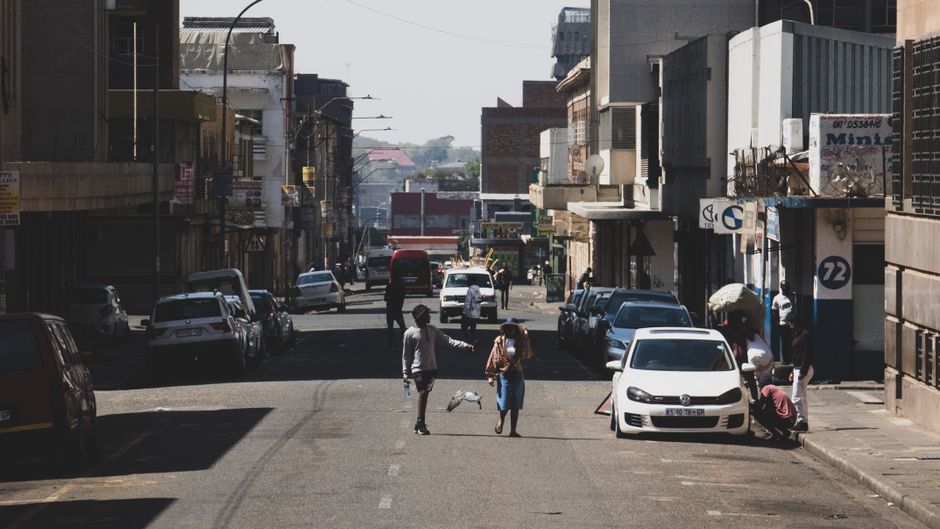
Yet it's not universal. Access remains a wealth divider in a city with stark inequality. While northern suburbs embrace preventive medicine, vast areas of Johannesburg lack routine screening infrastructure. Public health clinics, stretched thin, continue operating in reactive mode.
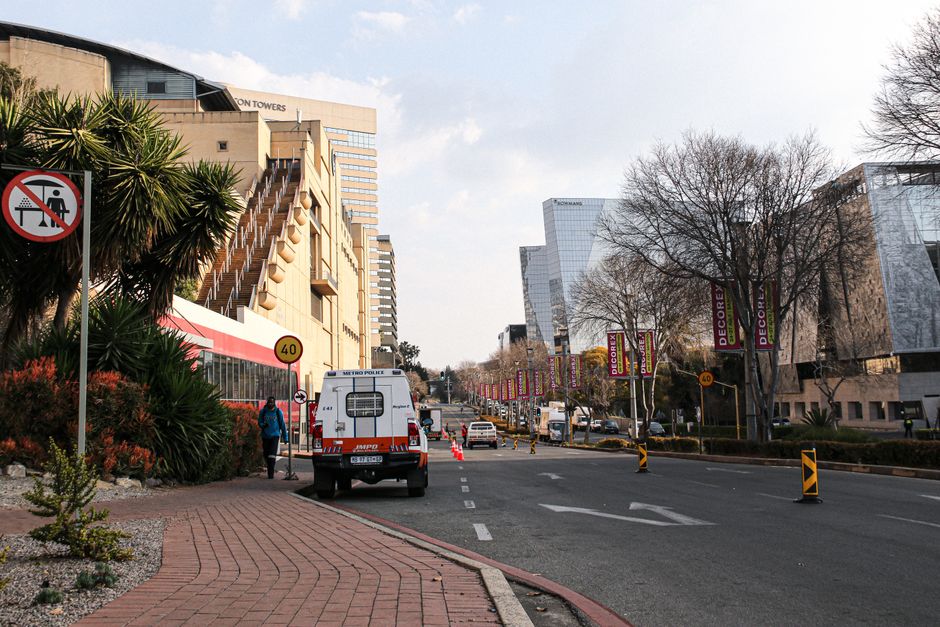
For those with access, though, the shift is real. The runner training in Emmarentia isn't just logging kilometres; she's likely booked her annual screening. The executive in the Johannesburg CBD isn't waiting for chest pain to see a cardiologist. In a city where security concerns often keep residents indoors, preventive health has become a tangible way to take control—a quiet rebellion against passivity.
If you're considering preventive screening, consult your GP or medical aid provider to establish what's appropriate for your age, risk profile, and circumstances.
This article was compiled by AI from the sources linked above and screened before publishing. See our editorial standards.