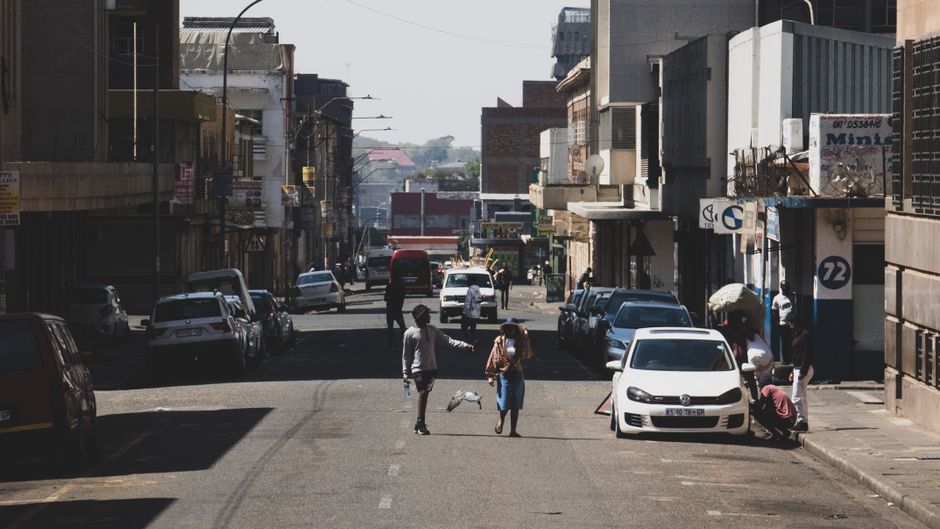
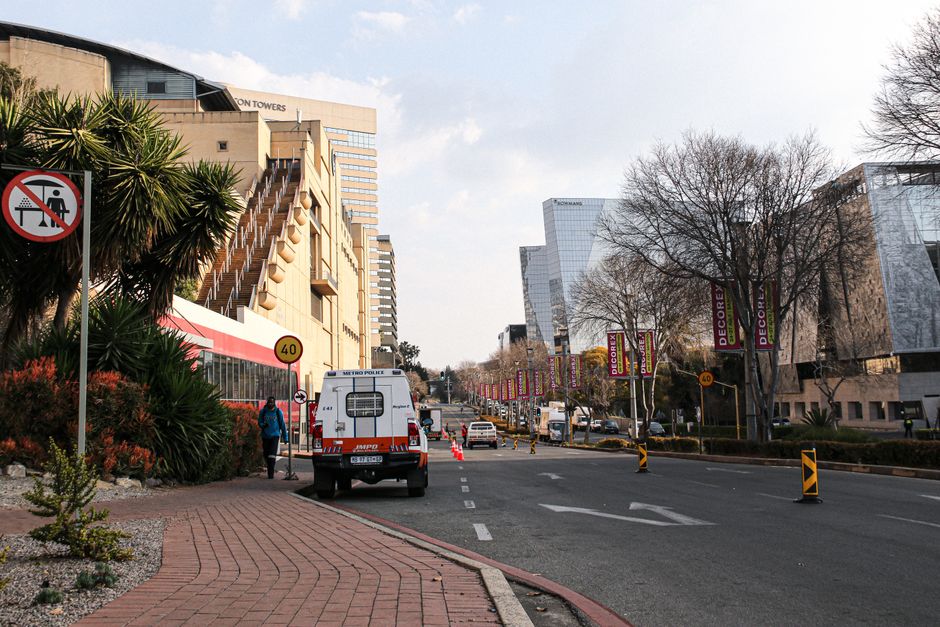
Walk into any Netcare facility across Johannesburg these days, and you'll notice something shifting. The waiting rooms aren't packed with the acutely ill—they're filling with the proactive. People in gym wear between Parkrun sessions. Professionals squeezing in cardiac screenings before lunch meetings. A growing cohort of Johannesburg residents has quietly embraced a wellness trend that's redefining healthcare from reactive to preventive.
The numbers tell the story. Over the past three years, preventive health screening packages at major private healthcare providers in the city have seen a 40% uptick in uptake, according to industry analysts tracking the wellness sector. What was once the domain of the wealthy worried-well has become democratised—partly through workplace wellness programmes, partly through increased awareness, and partly because Johannesburg's security-conscious outdoor community (think Zoo Lake runners and Joburg Parkrun enthusiasts) understands that health is the ultimate freedom.
At clinics in Sandton, Rosebank, and increasingly in neighbourhoods like Bryanston and Fourways, the preventive screening menu has expanded beyond basic blood work. Comprehensive packages now routinely include cardiovascular risk assessments, metabolic panels, cancer risk profiling, and bone density scans—the kind of baseline data that can catch disease years before symptoms emerge. A full preventive screening package typically ranges from R2,500 to R6,000 depending on depth, making it accessible to South Africa's middle and upper-middle class.
What's particularly noteworthy is how this trend has filtered down to community level. Organisations operating in areas south of the Witwatersrand have begun rolling out subsidised screening initiatives, recognising that prevention beats cure not just clinically but economically. The Joburg Botanical Gardens have even become an unlikely hub for health awareness campaigns, combining the city's fitness culture with educational outreach.
Dr-led wellness apps and direct-to-consumer blood testing services have accelerated this shift too. Young professionals in the CBD can now order comprehensive panels online, visit a phlebotomist in their office building, and receive results within days—removing friction from the prevention equation.
Industry experts suggest this isn't a fad. Johannesburg's particular cocktail of lifestyle pressures (high-stress corporate culture), health consciousness (the Parkrun phenomenon), and private healthcare sophistication has created ideal conditions for preventive medicine to thrive. It's a city learning that knowing your numbers—cholesterol, blood pressure, glucose, inflammation markers—isn't vanity. It's survival strategy.
For anyone considering preventive screening, consult your local GP or visit a Netcare facility to discuss what's appropriate for your age, family history, and risk profile.
This article was compiled by AI from the sources linked above and screened before publishing. See our editorial standards.