Silver Movers: How Active Ageing Is Reshaping Wellness in Johannesburg
From Parkrun to pilates studios in Sandton, seniors across the city are redefining what it means to stay mobile—and the wellness industry is taking note.
From Parkrun to pilates studios in Sandton, seniors across the city are redefining what it means to stay mobile—and the wellness industry is taking note.
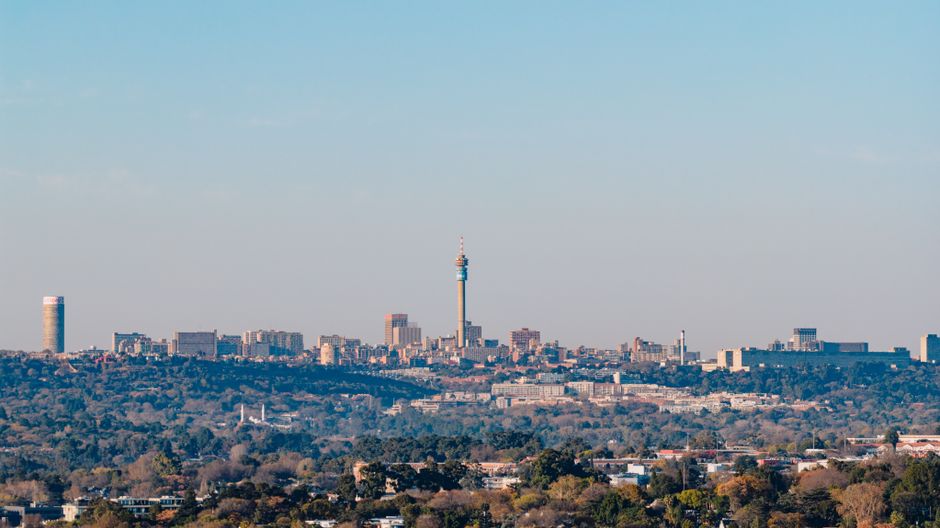
On a Saturday morning at Zoo Lake, you'll spot them alongside the joggers half their age: men and women in their 60s, 70s and beyond, moving with purpose. Parkrun, the free weekly 5km event that draws thousands to green spaces across Johannesburg, has become a quiet revolution for older adults. The organisation reports that participants aged 60 and over now represent nearly 18% of the city's weekly Parkrun cohort—a significant shift from a decade ago when active ageing was largely confined to retirement communities.
This demographic shift reflects a broader wellness trend sweeping through Johannesburg's affluent neighbourhoods and beyond. Netcare hospitals have expanded their senior mobility and rehabilitation programmes, while boutique studios in Rosebank and Sandton now dedicate entire class schedules to low-impact strength training, aqua aerobics and mobility work targeting the over-55 market. "We're seeing demand triple year-on-year," says wellness centre managers across the northern suburbs, where membership fees for senior-specific programmes typically range from R850 to R1,400 monthly.
The Johannesburg Botanical Gardens in Emmarentia has become an informal hub for active-ageing communities. The relatively flat, shaded walking trails attract regular groups of seniors focused on maintaining cardiovascular fitness and joint mobility—particularly important in a city where many residents face reduced outdoor activity due to security concerns. This has made structured, accessible green spaces invaluable to the local wellness conversation.
What's driving this trend? Partly it's medical. The cultural shift away from the "de-diagnosis" narrative—where older adults accept limitation as inevitable—has opened doors. Local physiotherapists and sports medicine specialists increasingly emphasise that mobility is maintainable, even improvable, at any age. The emphasis on "smaller doses of exercise" has also resonated; seniors recognise that 20 minutes of targeted movement beats the intimidating myth of needing an hour in the gym.
Economically, it's significant too. Johannesburg's private healthcare sector has recognised active ageing as both preventative medicine and a growing market segment. Insurance providers are beginning to incentivise gym memberships and wellness programmes for seniors, understanding that mobility investment reduces hospitalisation costs later.
Yet barriers remain. Cost excludes many from premium studios. Security concerns still limit outdoor activity for some. And awareness gaps persist in townships and outer-ring suburbs where senior wellness programming remains sparse.
Still, the momentum is undeniable. Johannesburg's active-ageing movement isn't just about fitness—it's a cultural recalibration, visible every Saturday at Zoo Lake, every weekday at Emmarentia, and in the growing number of studio classes full of people refusing to accept decline as destiny.
This article was compiled by AI from the sources linked above and screened before publishing. See our editorial standards.
How does this story make you feel?
Spread the word
About this article
Published by The Daily Johannesburg
Daily brief
Free, in your inbox before 7am. Weekdays.
More in Wellness