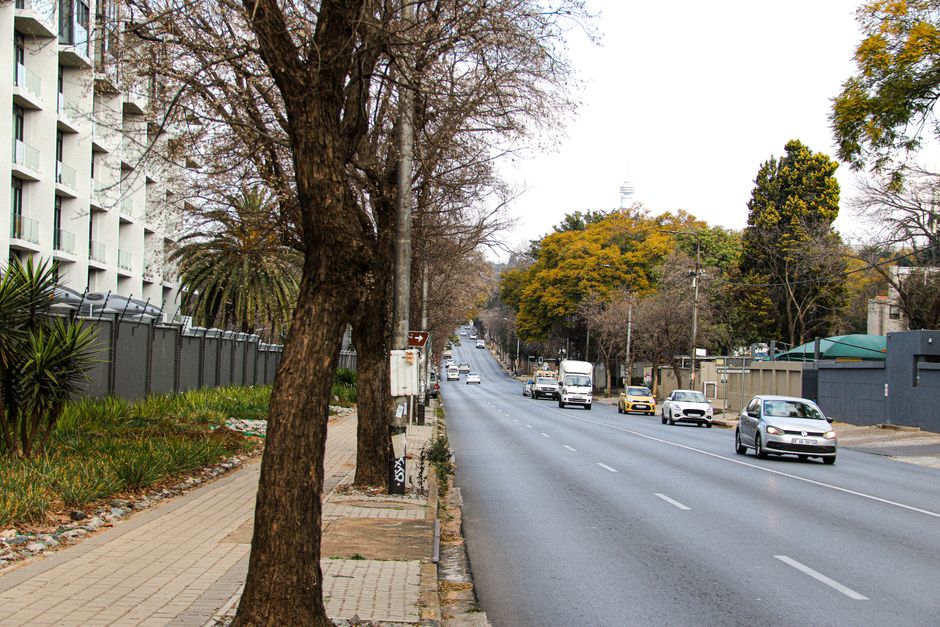
Walk through the Johannesburg Botanical Gardens on a weekday morning, and you'll spot clusters of people sitting quietly on benches, eyes closed, breath deliberately slowed. They're not just seeking peace—they're engaging in one of the most rigorously studied wellness interventions of the past two decades. The science backing mindfulness and stress management has moved well beyond anecdotal benefit, revealing measurable changes in brain structure and function.
Functional MRI studies show that regular mindfulness practice reduces activity in the amygdala, the brain's alarm system responsible for triggering the fight-or-flight response. This isn't metaphorical relief; it's literal neural quieting. Research from institutions including Johns Hopkins University has demonstrated that eight weeks of mindfulness-based stress reduction (MBSR) produces measurable decreases in cortisol—the stress hormone that, when chronically elevated, contributes to anxiety, sleep disruption, and immune dysfunction.
For Johannesburg residents navigating the particular pressures of urban living, these findings hold practical weight. The city's competitive professional environment, combined with ongoing security concerns affecting daily routines, creates sustained psychological load. Local mental health practitioners across areas like Sandton, Parktown, and Bryanston have reported increased demand for evidence-based stress management approaches, with mindfulness-based interventions ranking among the most requested.
The research picture is compelling: a meta-analysis of 47 trials found MBSR effective for anxiety and depression comparable to antidepressant medication for mild-to-moderate cases. Unlike pharmaceuticals, the side effects trend positive—improved sleep quality, enhanced emotional regulation, and increased grey matter density in regions associated with learning and memory.
Locally, Parkrun initiatives at Zoo Lake and other venues have inadvertently created community spaces for moving meditation, while organizations offering structured MBSR programs report waiting lists. Cost varies; some community health centres offer sessions at subsidized rates, while private practitioners in northern suburbs typically charge R400–R800 per session.
The mechanism is elegant: mindfulness trains attention regulation and emotional processing through repeated practice. Brain plasticity—the brain's ability to rewire itself—means these changes aren't permanent from a single meditation but cumulative with consistent practice.
What makes this compelling for Johannesburg is accessibility. You don't require expensive equipment or gym membership. Research supports benefits from just 10–15 minutes daily. Whether at the botanical gardens, during your morning commute, or at home in Melville or the East Rand, the neuroscience is clear: mindfulness works not because it feels good, but because it measurably alters how your brain processes stress.
This article was compiled by AI from the sources linked above and screened before publishing. See our editorial standards.