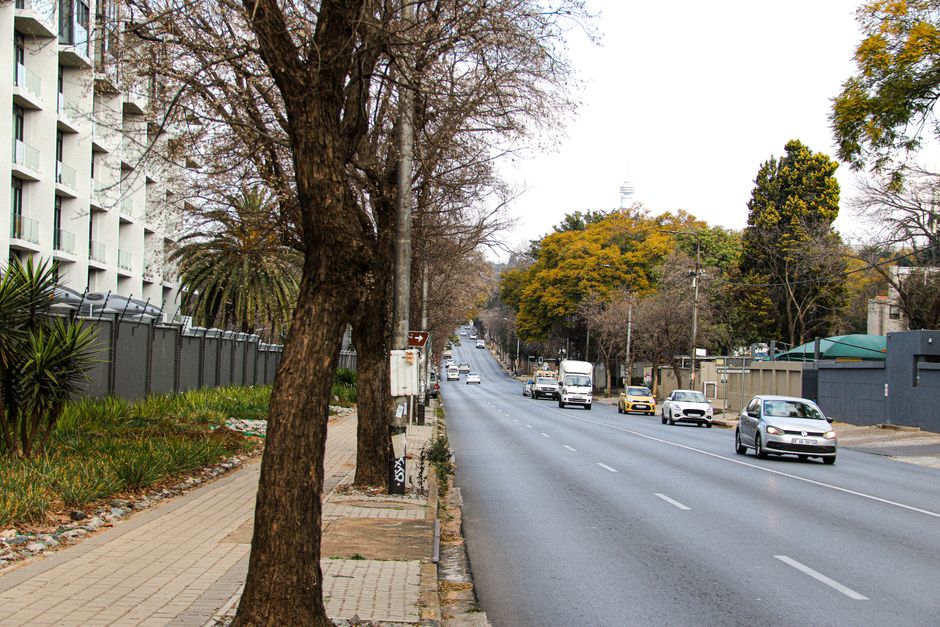
From Sandton to Soweto: How outdoor running is reshaping Johannesburg's wellness culture
A surge in trail running clubs, parkrun events and dedicated fitness routes is transforming how the city's residents approach health and community.
A surge in trail running clubs, parkrun events and dedicated fitness routes is transforming how the city's residents approach health and community.
Three years ago, Johannesburg's outdoor running scene was fragmented—pockets of enthusiasts meeting sporadically at Zoo Lake or the Botanical Gardens. Today, the city has become a hub for structured trail running, organised community fitness and purpose-built active spaces that reflect a broader shift toward accessible wellness.
The numbers tell the story. Parkrun, the free, weekly 5km community event, now hosts over 2,000 participants every Saturday across multiple Johannesburg locations, from the manicured lawns of the Botanical Gardens to the open spaces of Zoo Lake. The organisation has become a social institution, drawing everyone from serious runners to first-time fitness enthusiasts and parents with children.
"What's changed is that running is no longer seen as a solitary pursuit," says Johannesburg's growing network of trail running clubs. The Fourways Trail Running Club, the Wanderers Running Group, and newer initiatives in areas like Melville and Braamfontein have built communities around structured routes that cater to various fitness levels. These groups typically meet twice weekly, with memberships ranging from R150 to R400 per month.
Safety concerns, historically a deterrent to outdoor fitness in Joburg, have shifted the conversation rather than stopped it. Many runners now favour group outings and well-populated areas. The Joburg Parks Company has responded by improving lighting and maintenance on popular routes, particularly around Zoo Lake and the Botanical Gardens in Emmarentia, making early-morning and evening runs more appealing.
Commercial gyms and boutique fitness studios have noticed the trend. Several have pivoted to outdoor boot camps and trail-running coaching, recognising that Johannesburg's elevation—ranging from 1,500 to 1,700 metres above sea level—offers natural training advantages for building cardiovascular strength. Personal training rates for outdoor fitness have climbed to R400–R700 per session, reflecting demand.
The infrastructure is improving too. Routes in Rosebank, Parkhurst, and along the Constantia Nek area now feature marked trails and water stations. The Johannesburg Metropolitan Municipality has begun incorporating running and cycling paths into neighbourhood renewal projects, particularly in areas like Maboneng.
What's compelling about Joburg's running boom is its democratising effect. Parkrun remains free. Most running clubs welcome newcomers. The trend has moved beyond the affluent northern suburbs to include active communities in Orange Farm, Soweto, and the East Rand.
For residents navigating a city with legitimate safety considerations, outdoor fitness has become more than wellness—it's a reclamation of public space and a statement about community resilience.
This article was compiled by AI from the sources linked above and screened before publishing. See our editorial standards.
How does this story make you feel?
Spread the word
About this article
Published by The Daily Johannesburg
Daily brief
Free, in your inbox before 7am. Weekdays.
More in Wellness