Beyond the tick-box: Evidence-based health screenings that actually work for Johannesburg's climate and lifestyle
Skip the wellness noise—here's what the science says you really need to monitor living in the highveld.
Skip the wellness noise—here's what the science says you really need to monitor living in the highveld.
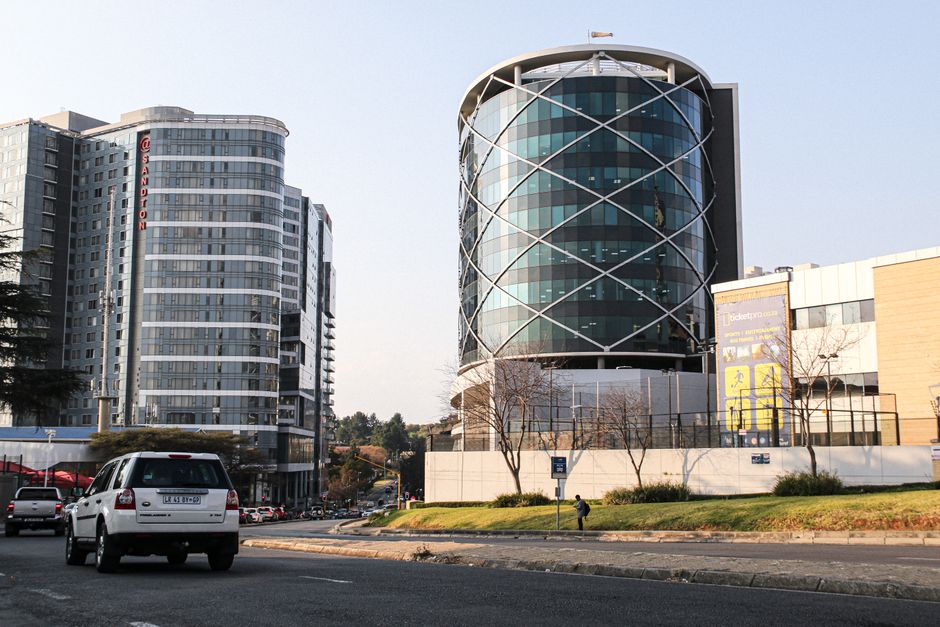
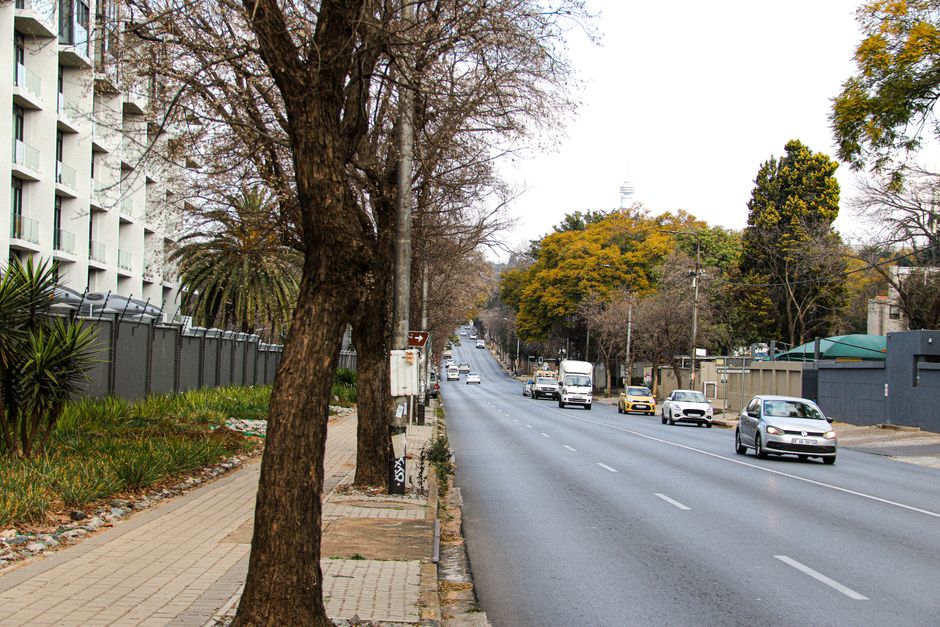
Johannesburg sits at 1,753 metres above sea level on the highveld, where UV radiation is 40% stronger than at coastal altitudes and air quality fluctuates with seasonal inversions. Yet many of us approach preventive health like a checkbox exercise. The evidence tells a different story about what screenings genuinely protect your long-term health here.
Start with skin cancer risk. South Africa has one of the world's highest melanoma rates, and Joburg's elevation amplifies UV exposure. The randomised controlled evidence is clear: annual skin checks by a dermatologist—not Dr Google—catch early-stage melanomas with 95% survival rates. Netcare hospitals across the city, from Sunninghill to Sandton, offer dermatology screening packages starting around R850. If you run regularly at Zoo Lake or train outdoors, this isn't optional.
Cardiovascular screening matters differently here than in temperate climates. High altitude can stress your heart silently. The evidence supports baseline blood pressure checks annually from age 25, and a lipid profile every three to five years. Many GPs in Randburg and Sandton can order these without expensive consultations. Cost: roughly R400–600 total.
For respiratory health, the highveld's dry winters and Johannesburg's traffic congestion create a perfect storm. If you've logged more than 100 Parkrun completions or regularly cycle in peak-hour traffic, ask your GP about baseline spirometry (lung function testing). It costs around R300 and detects early-stage COPD or asthma before symptoms emerge.
Bone density screening gets overlooked, especially in women over 50 and men over 70, but the research is sobering. South Africa's DEXA scan capacity is good—facilities in Bryanston and Fourways offer the test for roughly R1,200. Early detection of osteoporosis matters; fracture risk increases dramatically at this altitude if your bones weaken.
Finally, mental health screening. Johannesburg's unique pressures—security stress, socioeconomic inequality visible across neighbourhoods—correlate with higher depression and anxiety rates. The PHQ-9 screening tool takes five minutes and costs nothing at most GP clinics. The evidence shows early intervention prevents progression.
The pattern here: targeted screening beats blanket wellness panels. Align your choices with Joburg's specific climate, altitude, and lifestyle factors. Talk to your local GP about a personalised screening schedule rather than following generic advice. Your future self will thank you.
This article was compiled by AI from the sources linked above and screened before publishing. See our editorial standards.
How does this story make you feel?
Spread the word
About this article
Published by The Daily Johannesburg
Daily brief
Free, in your inbox before 7am. Weekdays.
More in Wellness