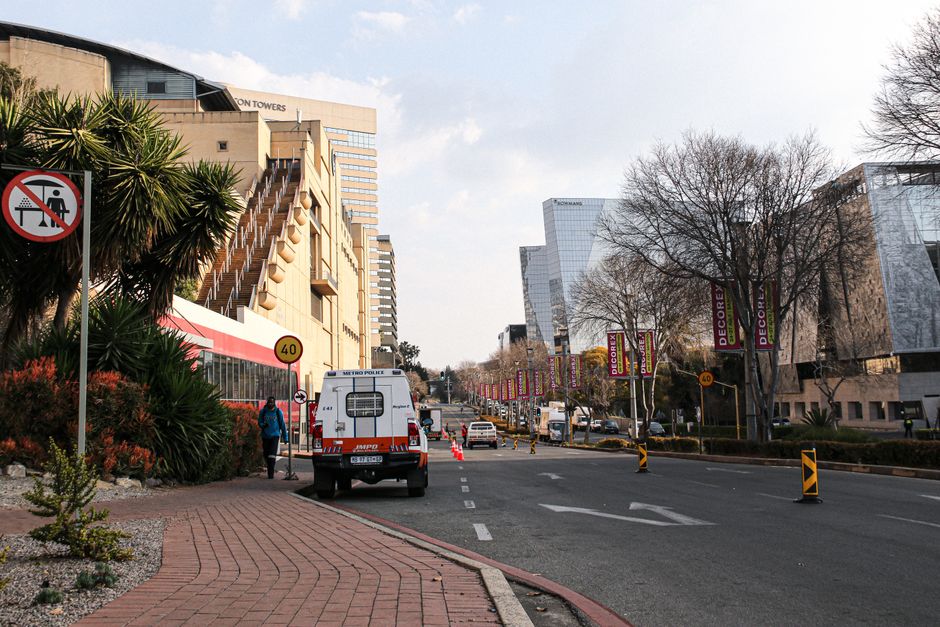
Johannesburg sits at 1,754 metres above sea level, making it one of Africa's highest cities. This altitude affects oxygen availability, heart rate, and recovery—factors that reshape how yoga and meditation work here. Local wellness practitioners increasingly tailor practices to these realities, and the science backs the approach.
Research published in the Journal of Sports Medicine shows that high-altitude environments demand modified breathing patterns. Ujjayi breath (ocean breath), commonly taught in yoga studios across Sandton and Melville, naturally increases oxygen retention—making it particularly valuable for Joburg practitioners. Rather than fast-paced vinyasa flow, evidence suggests gentler pranayama (breathing) work yields better results at our elevation. Studios like those in the Bryanston wellness corridor now lead classes with altitude-adapted sequences, prioritising controlled breathing over speed.
Temperature matters too. Joburg's summer peaks often exceed 30°C, and outdoor meditation—popular at Zoo Lake and the Johannesburg Botanical Garden in Emmarentia—requires adjustments. Studies in Environmental Psychology show that heat stress reduces meditation's cognitive benefits. Local teachers recommend early-morning sessions (5:30-6:30am) when temperatures are cooler and parks are safer. The established Parkrun community in suburbs like Parkhurst has adapted similarly, with many participants now pairing runs with post-exercise meditation during cooler daylight hours.
Stress management is where evidence becomes personal. A 2024 survey by the South African Depression and Anxiety Group found urban anxiety rates in Johannesburg running higher than the national average, driven by commute times, security concerns, and economic pressures. Mindfulness-based stress reduction (MBSR)—an 8-week programme originally developed at the University of Massachusetts—shows 40% improvement in anxiety markers within that timeframe. Several Netcare wellness centres now offer MBSR-aligned classes, with sessions typically costing R150-200 per class or R1,200 for a block of 10.
The practical takeaway: consistency beats intensity. Research from Frontiers in Psychology shows that 15 minutes daily meditation outperforms sporadic 60-minute sessions. For Johannesburg residents, this means brief morning practice at home or lunch-hour sessions at workplace wellness programmes yield measurable benefits—better sleep, reduced cortisol, improved focus.
Before starting any new practice, especially if you have cardiovascular or respiratory concerns, consult a GP at a local practice like those in the Illovo medical nodes. Yoga and meditation are powerful tools, but they work best when matched to your individual health profile and our city's unique conditions.
This article was compiled by AI from the sources linked above and screened before publishing. See our editorial standards.