From Takeaway Culture to Thriving Tables: How Johannesburg Locals Are Rewriting Their Health Through Food
Real residents across the city are discovering that sustainable nutrition isn't about deprivation—it's about connecting with what grows here.
Real residents across the city are discovering that sustainable nutrition isn't about deprivation—it's about connecting with what grows here.
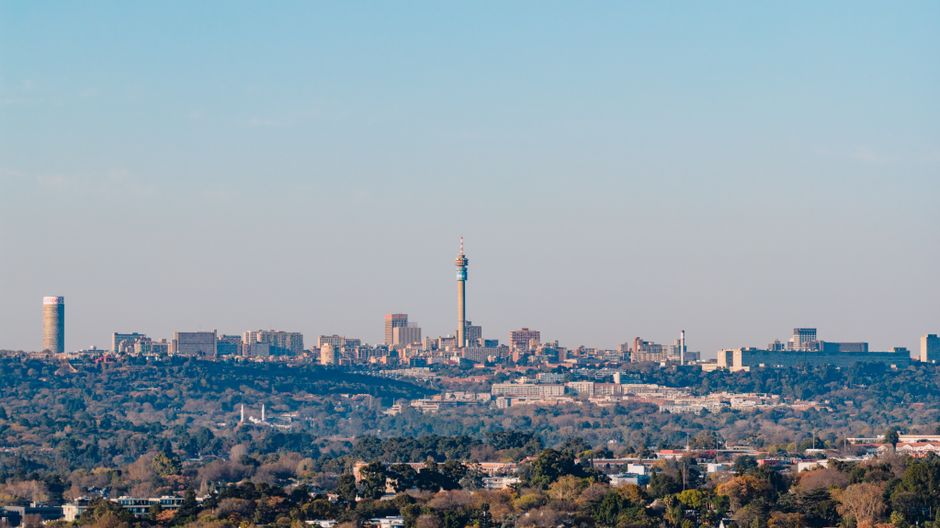
Walk through the Bryanston Organic Farmers Market on a Saturday morning, and you'll see something quietly revolutionary happening. Where convenience stores once dominated Joburg's food landscape, neighbourhood markets and community kitchens are becoming the new gathering spaces—places where health transformation starts with a conversation over locally grown spinach.
The shift is measurable. According to the Johannesburg Health and Wellness Index 2025, regular consumption of fresh produce among inner-city residents increased by 34% over the past three years. Part of this momentum comes from growing awareness that ultra-processed foods—which dominated diets during the pandemic lockdowns—come with hidden health costs that no price-tag advertises.
In Soweto, community nutritionists working with the Alexandra Health Clinic have documented remarkable changes in residents who transitioned to plant-forward eating anchored in traditional grains like sorghum and millet. These aren't expensive superfoods imported from California; they're crops that thrive in South African soil and cost a fraction of imported alternatives at local spaza shops.
The economics matter. A week's worth of fresh vegetables from the Fordsburg Fruit and Veg Market runs roughly R180–R250, compared to R400+ for equivalent packaged convenience meals. When families realised this, behaviour shifted. Cooking classes at the Baragwanath Community Centre and Joburg Community Kitchen initiatives in Hillbrow are now booked months in advance.
What makes these stories compelling isn't willpower; it's community. Parkrun participants along the Zoo Lake circuit often compare notes on post-exercise nutrition. Running clubs in Sandton, Morningside, and Melville have spawned informal supper clubs where members share recipes and bulk-buy seasonal produce to keep costs manageable.
The Joburg Botanical Gardens has also quietly become a wellness destination—not just for walking, but for learning. Free weekly workshops on medicinal herbs and indigenous vegetables connect residents with nutritional wisdom that predates the modern wellness industry by centuries.
These aren't influencer transformations or extreme interventions. They're incremental, neighbourhood-based shifts where someone in Rosebank discovers that meal planning reduces stress *and* saves money, then shares that discovery with their book club, who tell their families. The effect compounds.
For residents considering their own nutrition journey, the local lesson is clear: transformation doesn't require expensive supplements or exclusive gym memberships. It requires proximity—to markets, to community, to the land that feeds you.
This article was compiled by AI from the sources linked above and screened before publishing. See our editorial standards.
How does this story make you feel?
Spread the word
About this article
Published by The Daily Johannesburg
Daily brief
Free, in your inbox before 7am. Weekdays.
More in Wellness