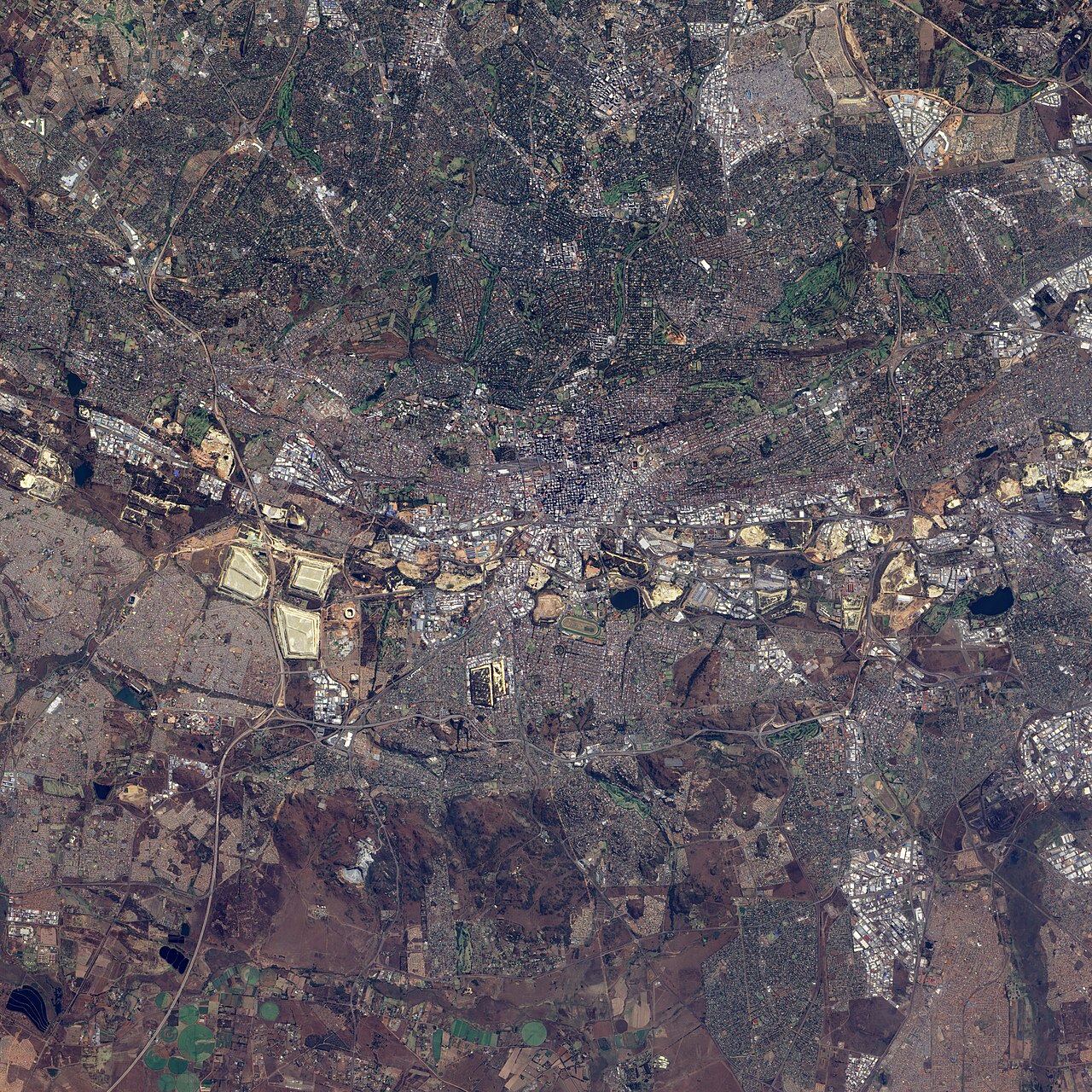
In the gleaming office parks of Sandton, a quietly ambitious startup is doing something that would have seemed impossible five years ago: making Johannesburg's municipal systems actually talk to each other. Civic Labs, which launched publicly this month, has built a software platform that aggregates data from fragmented city departments—water, electricity, refuse, roads—and surfaces it in a single dashboard accessible to both residents and government officials.
The problem they're solving is painfully familiar to anyone living north of the Jukskei River. When your Bryanston water meter fails, you phone the City. They log a ticket in one system. When you follow up about sewage issues in nearby Sunninghill, that's logged elsewhere. The two departments don't communicate. Three months pass. Nothing happens. Civic Labs' platform connects these silos, giving residents transparent tracking of their service requests while flagging bottlenecks to municipal managers in real time.
The company's founder, who declined to be named pending a formal series A announcement, developed the initial prototype after a burst water main flooded properties along Grayston Drive last year. "The infrastructure exists," sources close to the company explained. "The data exists. But the institutional plumbing doesn't."
Early adoption metrics suggest real traction. Since soft-launching with the City's Roads and Stormwater department in January, the platform has processed over 8,400 service requests across Johannesburg's metro area, with average resolution times dropping from 47 days to 19 days in tracked categories. User testing in Orange Farm and Alexandra townships showed 73 percent of residents preferred the digital interface to traditional phone-based reporting—a significant finding given connectivity disparities that the platform addresses through USSD fallback options.
The city's brutalized municipal budget—operating under massive debt and constrained expenditure—means flashy infrastructure projects remain distant. But software-driven efficiency gains cost far less. Civic Labs' white-label model is already in discussions with Cape Town, Durban, and one undisclosed East African metropolitan authority, according to sources familiar with the company's pipeline.
The tension between technological solutions and the deeper governance challenges facing Johannesburg shouldn't be minimized. Data transparency alone won't fix infrastructure decay or service delivery capacity. But in a city where basic accountability mechanisms have eroded, a platform that makes government performance visible—and measurable—represents meaningful progress. Watch this space.
This article was compiled by AI and screened before publishing. See our editorial standards.