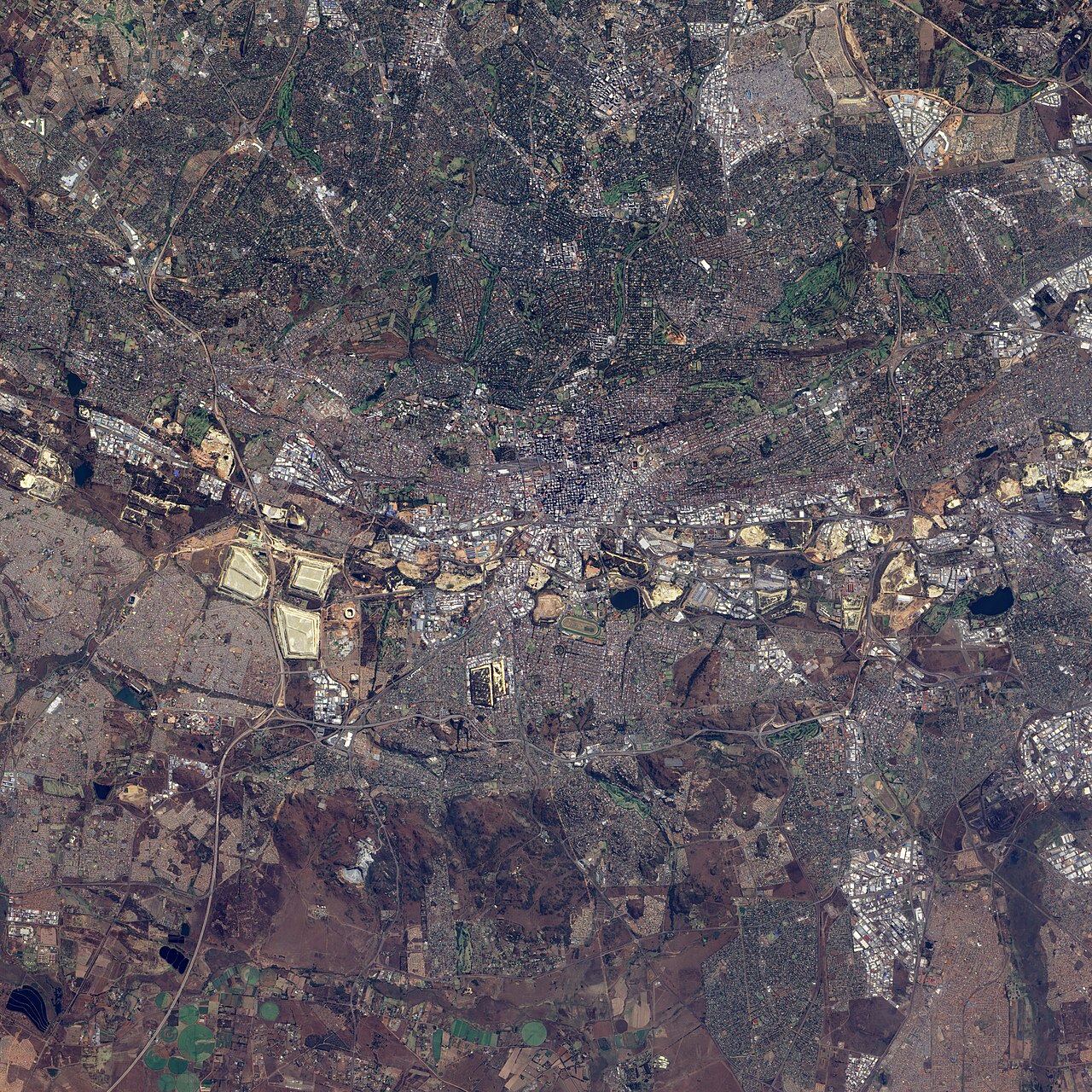
The energy in Braamfontein's startup corridors has shifted noticeably over the past eighteen months. Where developers once clustered around mobile-first solutions and fintech platforms, conversations now revolve almost entirely around large language models, machine learning pipelines, and AI-driven automation. The shift reflects a broader awakening: Johannesburg's tech ecosystem is racing to position itself as Africa's artificial intelligence hub.
Recent funding rounds tell the story. Between January and June 2026, AI-focused startups in greater Johannesburg have secured approximately R850 million in venture capital—more than triple the investment volume for the same period in 2024. Much of this has flowed toward companies tackling problems unique to African markets: agricultural prediction tools trained on Southern African climate data, supply chain optimization for informal traders, and customer service automation in local languages including Zulu, Sotho, and Tswana.
The infrastructure supporting this boom is crystallizing too. Co-working spaces along Jan Smuts Avenue and around the Johannesburg Stock Exchange in the Marshalltown precinct now dedicate entire floors to AI research and development. Several established tech firms operating from Sandton's corporate towers have begun spinning out dedicated AI divisions, recognizing that the speed of innovation requires flatter hierarchies and closer proximity to early-stage talent.
But the opportunity comes with complications. South Africa's electricity crisis has forced many startups to invest heavily in backup power systems—costs that reduce runway and capital efficiency. Several promising teams have relocated technical operations to cloud infrastructure hosted abroad, creating a brain drain of sorts for local GPU-intensive projects. Data privacy regulations remain ambiguous, particularly around training datasets sourced from African consumers.
Still, the advantages of building here are compelling. Johannesburg sits at the intersection of deep African market knowledge and global technical talent. The city's existing strength in financial services has created a pool of engineers comfortable working on high-stakes, regulated systems. And the cost of living—though rising—remains substantially below San Francisco or London, allowing founders to stretch capital further.
Industry observers estimate that if current momentum holds, Johannesburg could host between 400 and 600 AI-focused technology companies by 2028. That would represent a fundamental reshaping of what the city means in global tech conversations: less a follower of trends set elsewhere, more an originator of solutions built specifically for African realities.
This article was compiled by AI and screened before publishing. See our editorial standards.