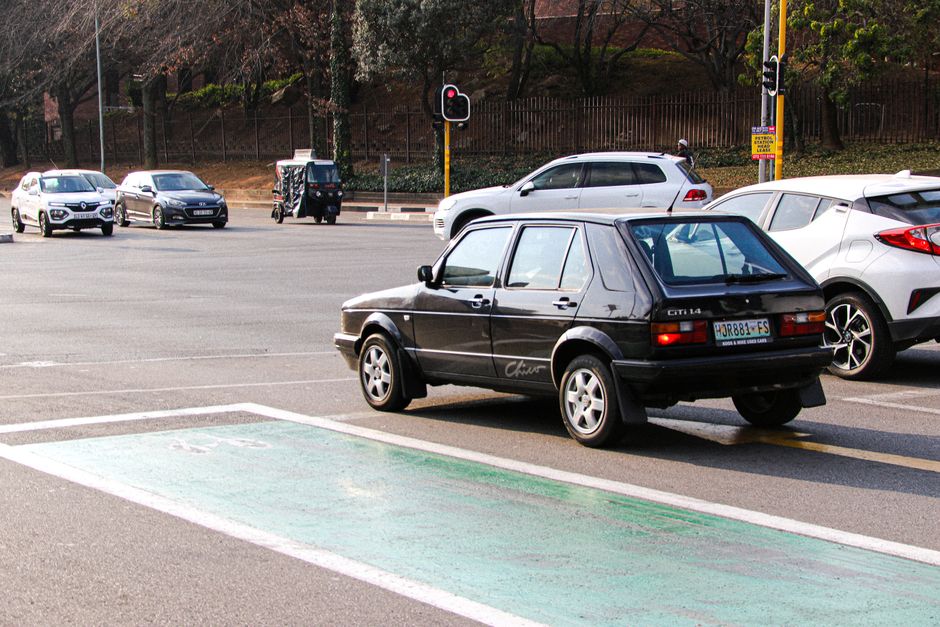
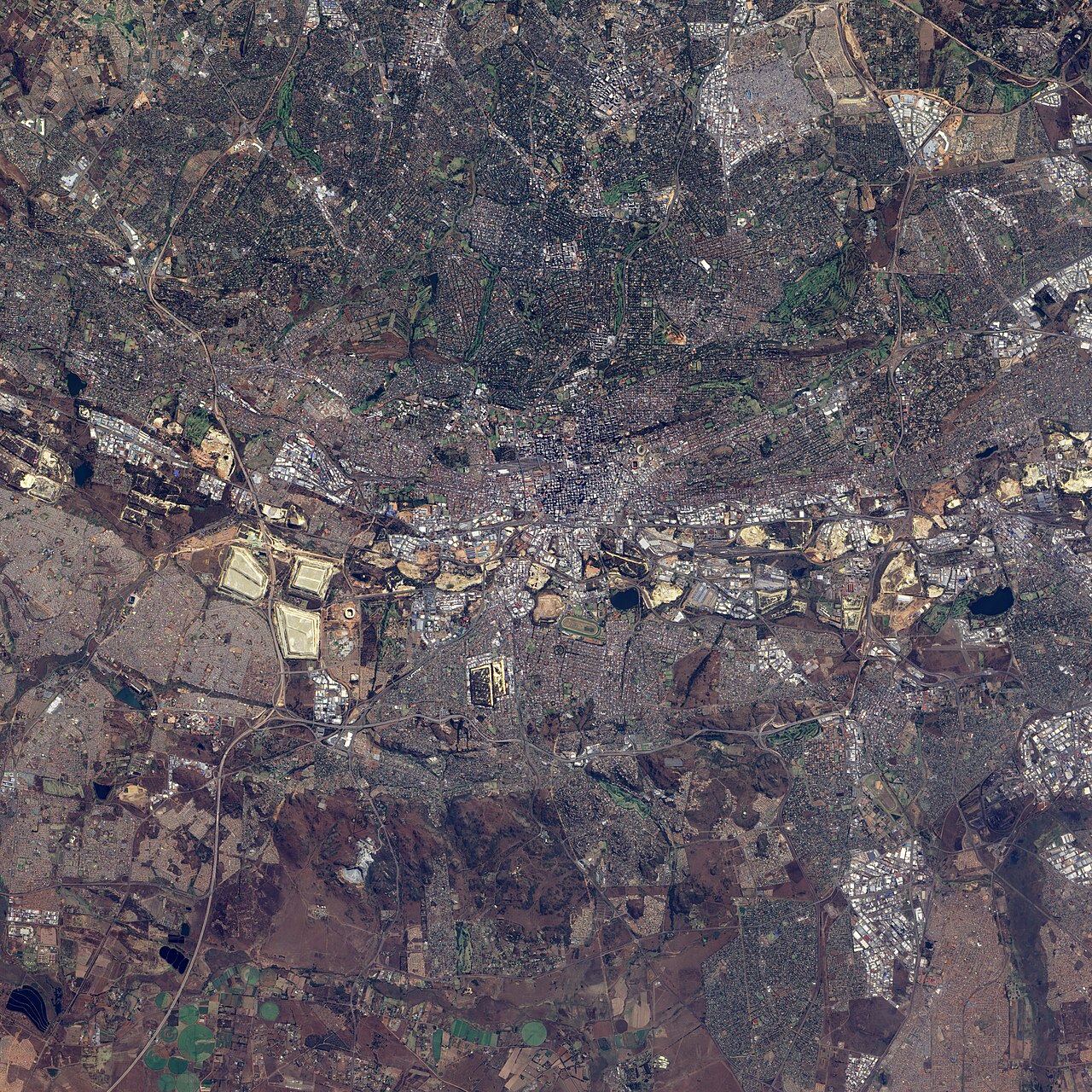
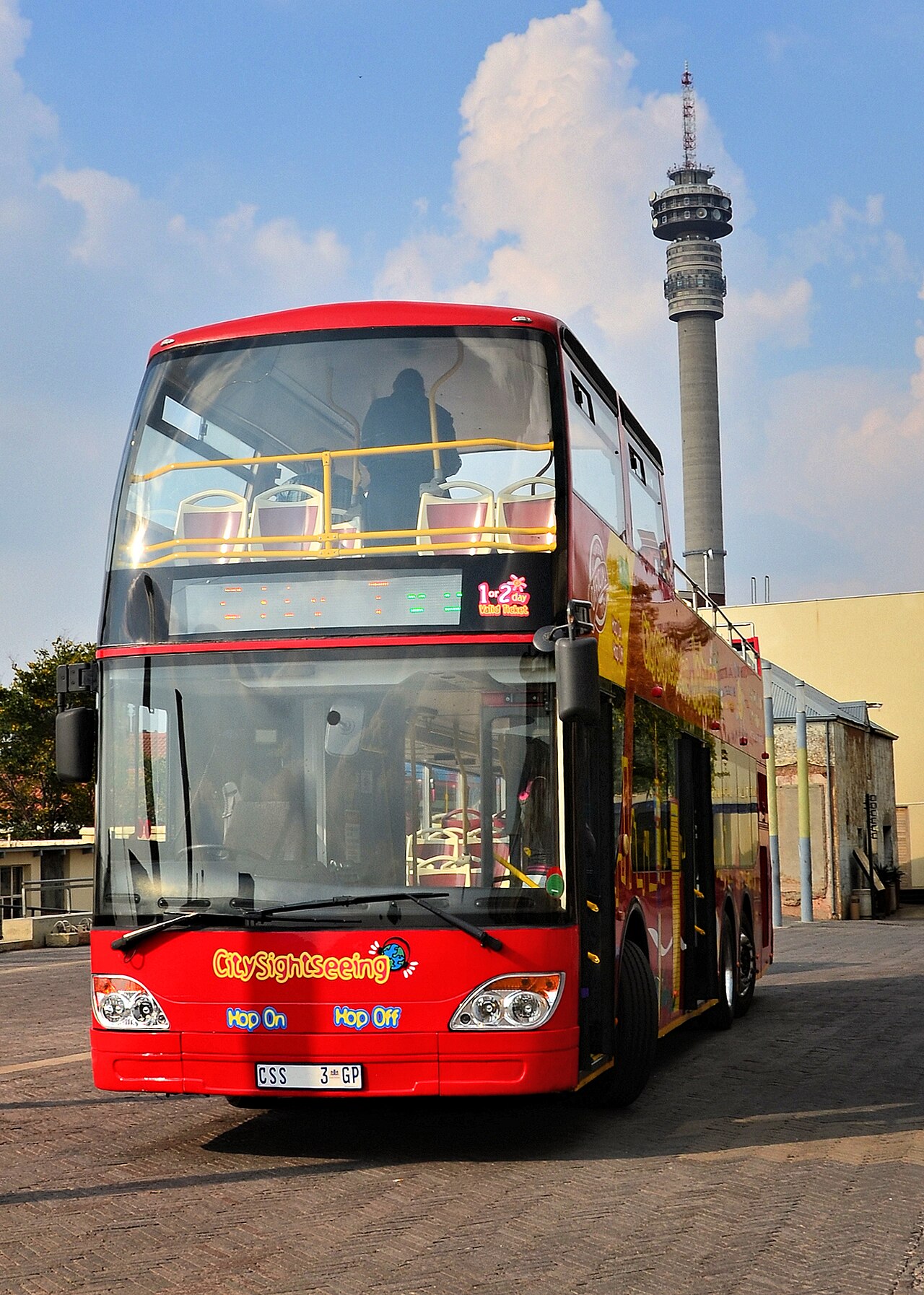
Johannesburg's push toward becoming a smart city is accelerating. The Joburg Metropolitan Police Department's expanded traffic management system now monitors congestion across the N1, M1 and key arterial routes through integrated camera networks. City Power has rolled out smart meters in parts of Sandton and the CBD, while water utility Johannesburg Water is deploying IoT sensors to detect leaks across ageing infrastructure in Soweto and Alexandra.
Yet beneath the promise of efficiency sits a troubling question: who watches the watchers, and at what cost to ordinary residents?
"The infrastructure is being deployed faster than the governance frameworks," says digital rights advocate Dr Thabo Mthembu from the University of the Witwatersrand's School of Governance. "We're seeing surveillance networks go live without meaningful public consultation in townships and informal settlements."
The concerns are not abstract. Smart city rollouts globally have revealed how algorithmic systems can encode existing biases—from traffic enforcement to resource allocation. In Johannesburg, where spatial inequality persists along historical lines, the risk is significant. Data collection in wealthy areas like Sandton may be more granular than in Alexandra or Orange Farm, potentially skewing service delivery decisions.
There's also the question of data security. South Africa's Protection of Personal Information Act (POPIA) requires consent and transparency, but enforcement remains patchy. When the City's broadband infrastructure was breached in 2023, affecting municipal systems across the Joburg CBD, it exposed vulnerabilities in the very backbone of smart city systems.
Advocates point to Tshwane's cautious approach as instructive: the City of Pretoria delayed certain surveillance rollouts pending stakeholder consultation. By contrast, Johannesburg's faster deployment timeline—driven by pressure to improve service efficiency in a city where pothole repairs once took weeks—has left community voices sidelined.
The ethical questions extend to consent. Residents using Rea Vaya buses, accessing services at the Civic Centre, or driving through monitored intersections rarely know what data is being collected or how it's used. Transparency reports are scarce.
"Smart cities aren't inherently problematic," notes Mthembu. "But they require democratic participation. Johannesburg has the talent, institutions, and civic energy to get this right—but only if governance catches up to technology."
As the city continues rolling out digital infrastructure, the challenge is clear: transformation without transparency risks creating a smarter city for some, while making others more visible to systems designed without their input.
This article was compiled by AI and screened before publishing. See our editorial standards.