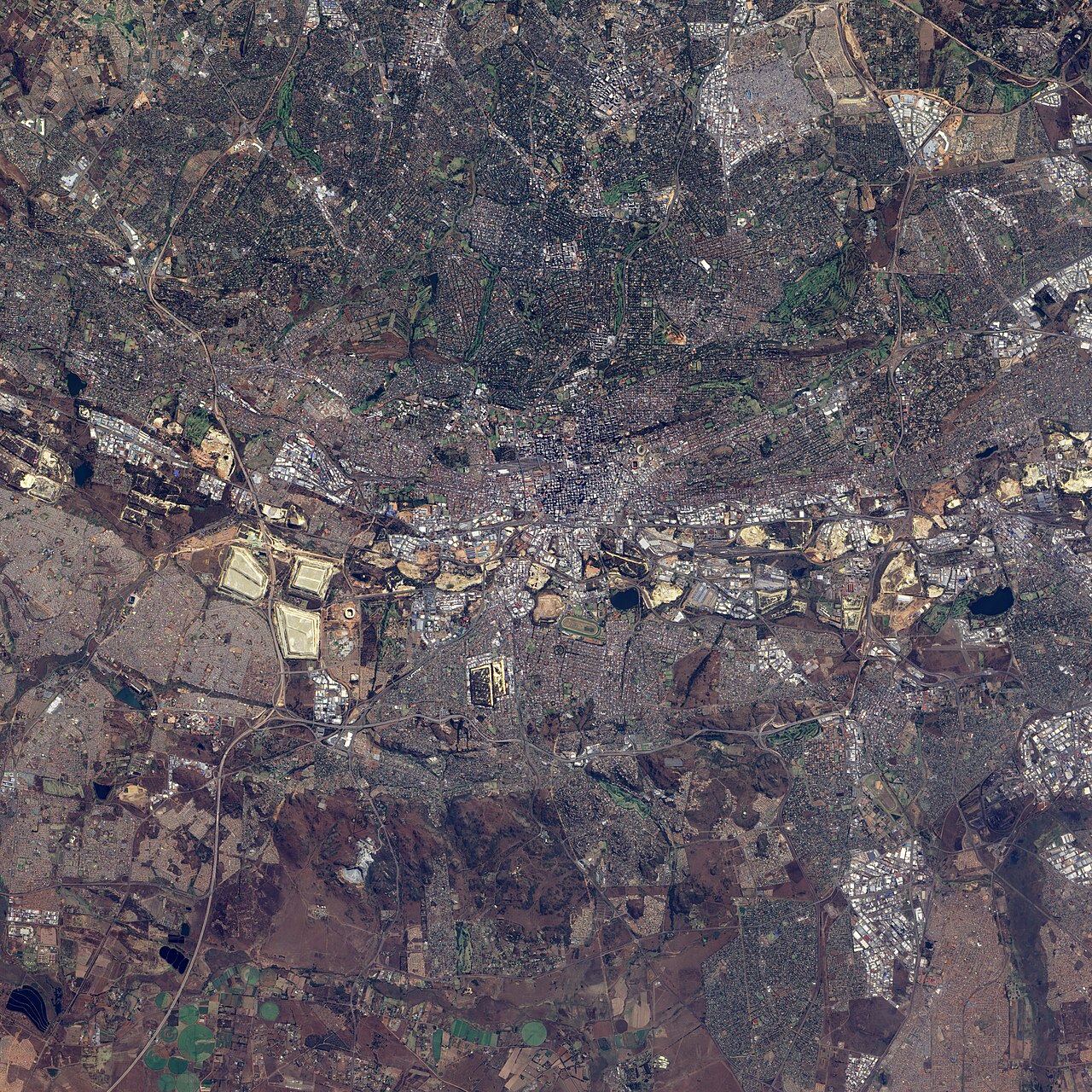
Johannesburg's technology sector is entering a pivotal growth phase, with established innovators and emerging startups across Sandton, Braamfontein, and the Menlyn Maine precinct revealing development roadmaps that signal major shifts in how African companies will approach fintech, climate technology, and enterprise software over the next 18 months.
The momentum reflects a maturing ecosystem. According to the Johannesburg Chamber of Commerce and Industry's latest innovation report, the city hosts over 1,800 active tech companies, with funding to the sector having stabilised at approximately R2.4 billion annually despite broader economic headwinds. Industry insiders say the focus has shifted from survival to strategic expansion, with teams refining products for both local and continental markets.
Several key developments are shaping this trajectory. Fintech companies based in Sandton's financial district are advancing blockchain-based cross-border payment solutions, targeting the estimated $20 billion annual remittance corridor across Southern Africa. Meanwhile, climate-focused startups in the Braamfontein innovation corridor—home to the University of the Witwatersrand's engineering hub—are launching AI platforms designed to optimise renewable energy distribution across grid-stressed regions.
Esports and gaming studios concentrated around the Menlyn Maine tech quarter are building titles specifically for emerging markets, with localised payment systems and offline functionality to address connectivity challenges that remain persistent outside major metros. One studio lead noted that African game developers have identified a $1.2 billion regional opportunity by 2028 if distribution and payment barriers are addressed.
The roadmaps also reflect a broader continental ambition. Several Johannesburg-based companies are positioning themselves as solutions providers for East and West African markets, recognising that the city's relatively mature venture ecosystem and talent pool offer advantages in scaling. Tech talent migration into the city has increased 23 percent year-on-year, according to recruitment data from leading tech hiring platforms, suggesting confidence in the sector's trajectory.
Enterprise software developers are another focal point. Companies are building tools specifically designed for African supply chains, agricultural logistics, and small business management—sectors where international off-the-shelf solutions often fail to account for local operational realities. These products are expected to launch between Q3 2026 and Q2 2027.
Despite challenges including loadshedding, skills shortages, and regulatory uncertainty, Johannesburg's tech community appears resolved to move beyond simply serving local markets. The collective roadmap emerging from conversations across the city's innovation precincts suggests a sector confident enough to build for Africa, not just from Africa.
This article was compiled by AI and screened before publishing. See our editorial standards.