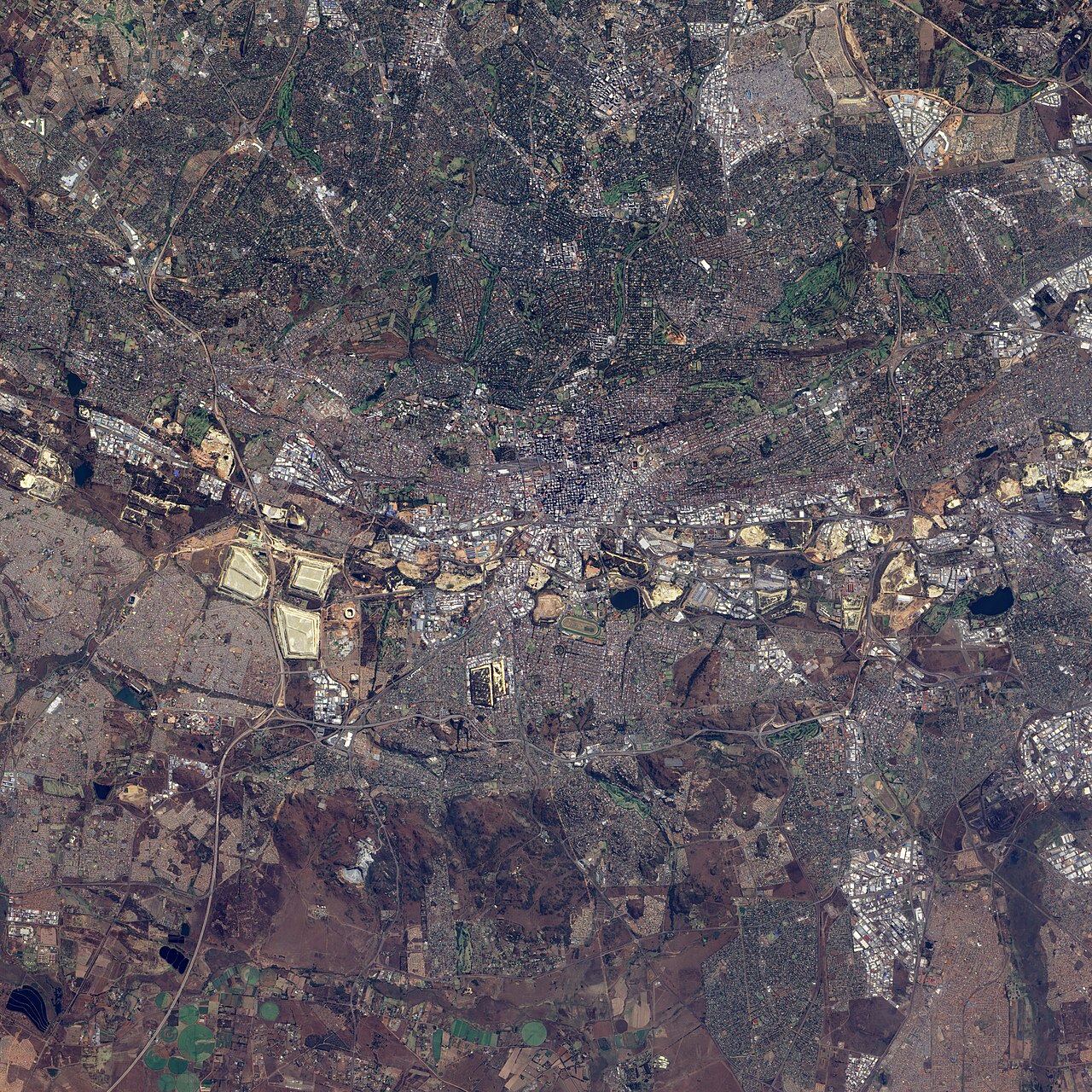
Johannesburg's clean energy sector is experiencing its fastest growth in a decade, driven by rolling blackouts, corporate sustainability mandates, and R180-billion in planned renewable infrastructure investment across the country. For job seekers and career professionals, the opportunity window is open—but competition is intensifying and employers are raising the bar on qualifications.
Solar installation, battery storage, energy auditing, and grid management roles are proliferating across Sandton's corporate corridors and in the manufacturing hubs around Kempton Park. The Energy Council of South Africa reported that green-energy vacancies grew 34% year-on-year through 2025, with average starting salaries ranging from R28,000 to R65,000 monthly depending on specialisation and experience. Senior engineers and project managers in renewable energy are commanding packages 15-20% above traditional infrastructure roles.
But entry barriers are rising. Most employers now require accreditation from the City and Guilds renewable energy programme or equivalent certification—a 12-to-18-month commitment costing between R15,000 and R45,000 through institutions like Wits University's Energy Programme or private training providers in Braamfontein. Without it, even graduates struggle to land junior positions. Companies like Eskom and independent power producers are also prioritising candidates with project management experience or technical qualifications in electrical engineering, mechanical design, or data analytics for grid modernisation roles.
The skills mismatch is real. Johannesburg's tech community in areas like Woodstock and Maboneng has absorbed many data specialists into renewable forecasting and AI-driven demand management, but there's a severe shortage of technicians comfortable with hands-on installation and maintenance. Trade qualifications—plumbing, electrical work, welding—are increasingly valuable and undervalued in recruitment conversations, yet they're essential for the sector's backbone.
For professionals already working in construction, manufacturing, or engineering, lateral moves into green tech are achievable with targeted upskilling. Online platforms like Coursera and local providers offer short courses in energy efficiency auditing (6-8 weeks, R8,000-R12,000) that employers recognise. Networking matters too: industry forums at the Johannesburg Chamber of Commerce and professional bodies like SAGEA (South African Green Building Council) offer pathways into roles before they're publicly advertised.
The window to pivot into this sector remains wide, but it's tightening. Workers with relevant certifications, basic project management skills, and geographic flexibility—willingness to work on sites across Gauteng—are landing roles within weeks. For others, investing in certification now isn't optional; it's the entry ticket to Johannesburg's fastest-growing employment frontier.
This article was compiled by AI and screened before publishing. See our editorial standards.