Technology
Johannesburg's AI Boom Creates Jobs, But Threatens Thousands of Workers
As tech firms across Sandton and the Corridor embrace artificial intelligence, the city faces critical questions about worker displacement, algorithmic bias, and who truly benefits from the transformation.
Listen in English · 4 min
How we reported this
The gleaming office parks of Sandton are buzzing with artificial intelligence pilots. From financial services firms in the country's banking heartland to logistics companies operating out of Menlyn and Midrand, Johannesburg's business elite are betting heavily on AI to slash costs and accelerate growth. Yet beneath the promise of efficiency gains and competitive advantage lies a sobering reality: rapid automation could reshape the city's already fragile employment landscape.
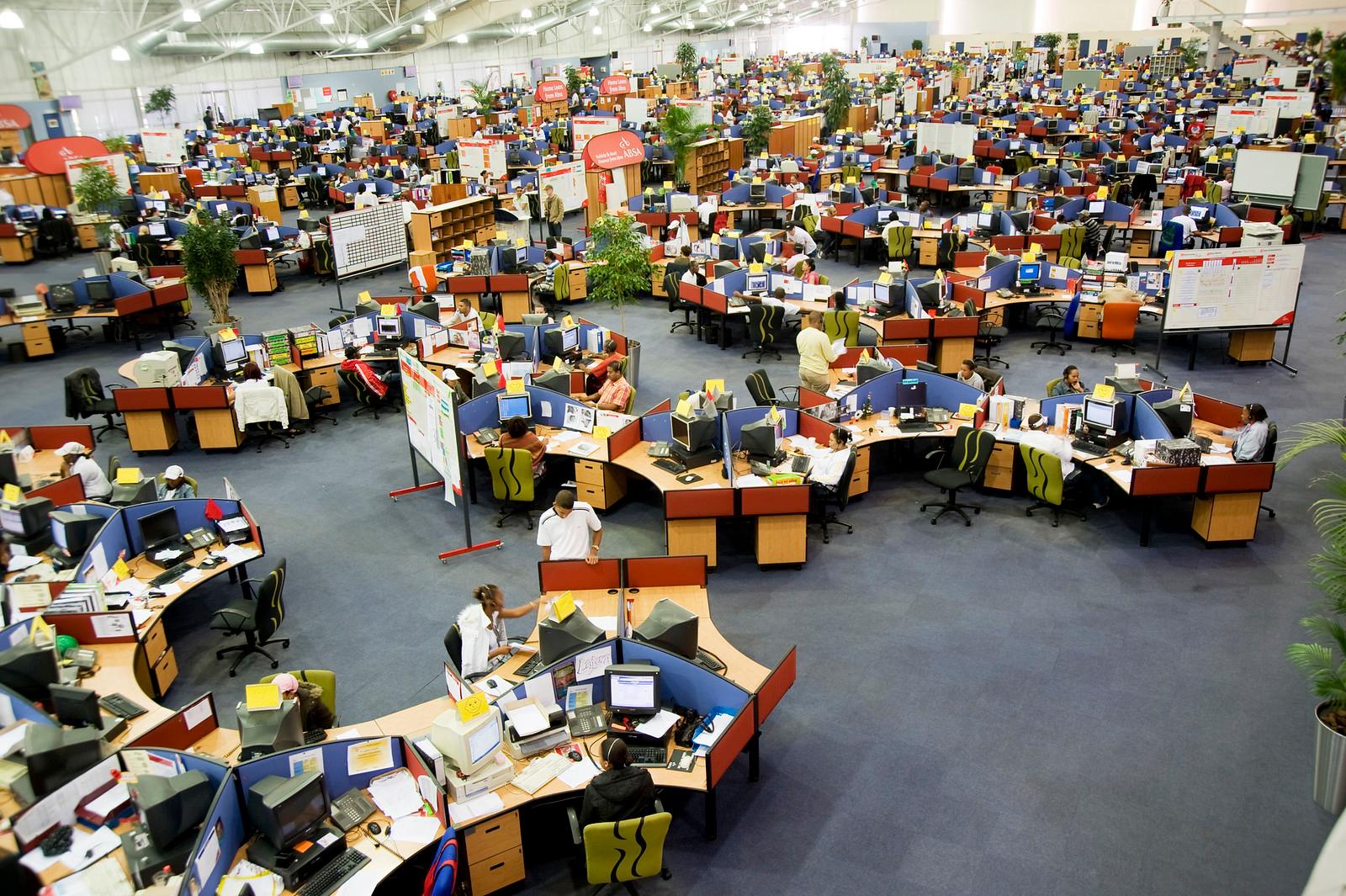
A recent survey by the Johannesburg Chamber of Commerce found that 67% of local firms have either deployed or are actively testing AI systems. The appeal is obvious. Manufacturing plants in the East Rand are using machine learning to optimise production lines. Call centres across the sprawling business districts are replacing customer service staff with chatbots. Recruitment firms in Century City are using algorithmic screening to filter job applicants in seconds.
But the human cost deserves scrutiny. Johannesburg's unemployment rate hovers near 35%-among the highest globally. Add rapid AI adoption, and vulnerable workers face genuine displacement. "We're seeing companies automate support roles without retraining programmes," notes a researcher at Wits University's School of Economic and Business Sciences. "The social safety net isn't equipped for that scale of disruption."
The ethical questions run deeper still. Algorithmic bias in recruitment and lending systems could entrench existing inequalities that already mark Johannesburg's economic landscape. If AI systems train on historical data reflecting past discrimination, they risk perpetuating it-locking out job seekers or entrepreneurs from historically marginalised communities.
There's also the question of transparency. Many local firms deploying AI offer no public accountability for their systems' decision-making processes. A small business owner denied a loan or a job applicant rejected by an algorithm has little recourse to understand why.
The promise, however, is real. AI-driven innovations in fintech, healthcare applications, and agricultural technology could position Johannesburg as a continental tech leader. Startups in areas like Braamfontein and the Rosebank corridor are developing AI solutions for African markets that global competitors overlook.
The challenge ahead isn't whether to embrace AI-that ship has sailed. Rather, it's ensuring the city builds guardrails: mandatory algorithmic audits, worker retraining initiatives, and genuine stakeholder input from affected communities. Johannesburg's prosperity depends on innovation that works for everyone, not just shareholders in Sandton's towers.