Johannesburg's Venture Capital Scene Charts Ambitious ...
From fintech to climate tech, local startups backed by fresh funding rounds are preparing launches that could reshape Africa's digital economy.
From fintech to climate tech, local startups backed by fresh funding rounds are preparing launches that could reshape Africa's digital economy.
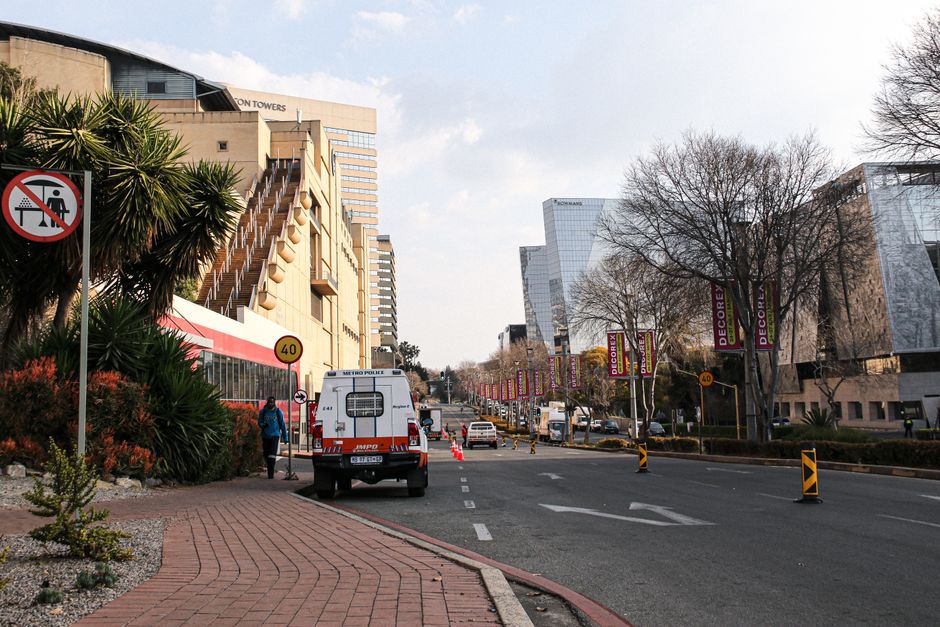
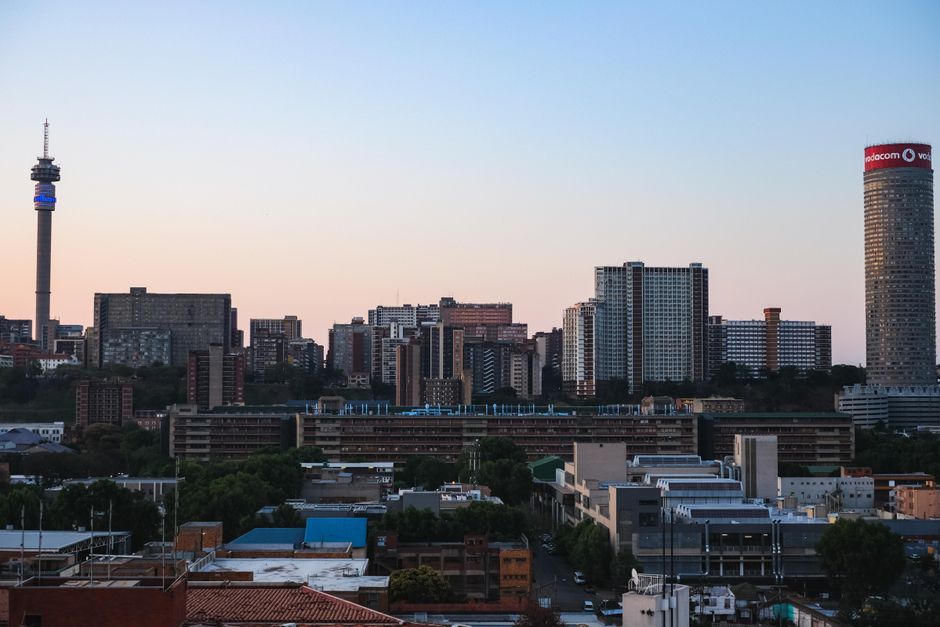
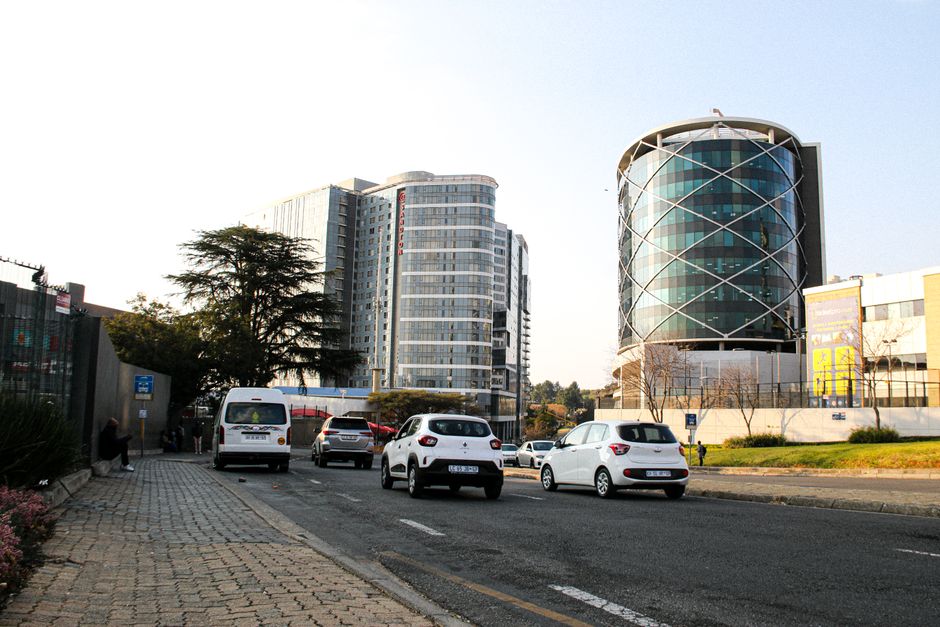
Johannesburg's startup ecosystem is entering a decisive phase. As venture capital flows increase—with local and international firms deploying capital into the Gauteng region at rates not seen since 2021—founders across the Sandton corridor and emerging hubs in Braamfontein are unveiling product roadmaps that signal where African tech innovation is heading.
The momentum is tangible. Recent funding announcements suggest a portfolio shift toward solutions addressing continental challenges: agricultural supply chain transparency, renewable energy microgrids, and cross-border payment infrastructure. Several Series A rounds closed in the past eighteen months have explicitly earmarked development budgets for Q4 2026 and 2027 product launches.
Climate tech startups operating from the Johannesburg Innovation District—clusters near the Wits University precinct and around Fourways—are prioritizing hardware-software integration. One emerging focus is real-time water quality monitoring systems for municipalities grappling with service delivery pressures. These products are entering beta phases with pilot programmes expected in Soweto and Alexandra by year-end.
Fintech remains the heavyweight. Yet the next generation of products moving beyond payments. Venture investors backing startups in the Sandton financial hub are increasingly interested in embedded lending platforms targeting small and medium enterprises. Several portfolio companies are building APIs designed to integrate with existing banking infrastructure across Southern Africa—a market estimated at $2.3 billion annually.
The funding landscape itself is maturing. South African venture funds have deployed approximately R1.8 billion into tech startups this year alone, with Johannesburg capturing roughly 55 percent of that capital. International syndicates from Singapore, London, and San Francisco are co-investing alongside local managers, a trend that accelerates product development timelines and exposes founders to global market expectations.
But challenges persist. Talent retention remains acute; several promising startups have seen core engineers poached by international tech giants offering relocation packages. Internet infrastructure, despite improvements, still constrains bandwidth-heavy product testing in townships where many founders target their eventual user bases.
The venture community itself is organizing more deliberately. Mid-year pitch events at venues like The Pivot and Bounded in the CBD now attract follow-on investors specifically scouting Series B opportunities. The message from fund managers is consistent: execution speed matters. Products that can demonstrate user traction and unit economics by Q1 2027 will have multiple funding options.
Johannesburg's role as a testing ground for African tech solutions is no longer theoretical. The roadmaps being drawn now—in meeting rooms across Rosebank, Melrose Arch, and Illovo—could define how the continent solves critical infrastructure and financial access problems for the next decade.
This article was compiled by AI from the sources linked above and screened before publishing. See our editorial standards.
How does this story make you feel?
Spread the word
About this article
Published by The Daily Johannesburg
Daily brief
Free, in your inbox before 7am. Weekdays.
More in tech