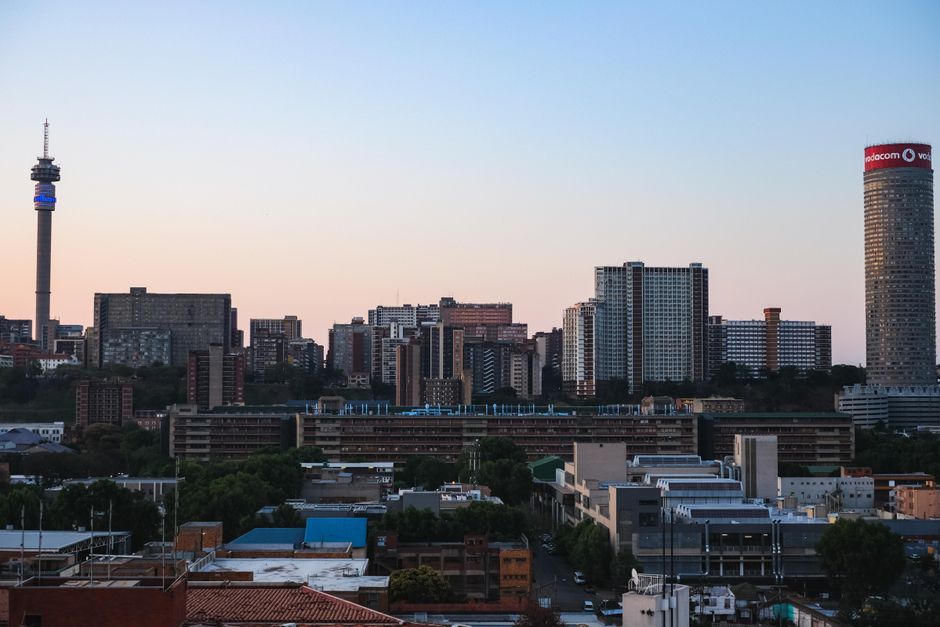
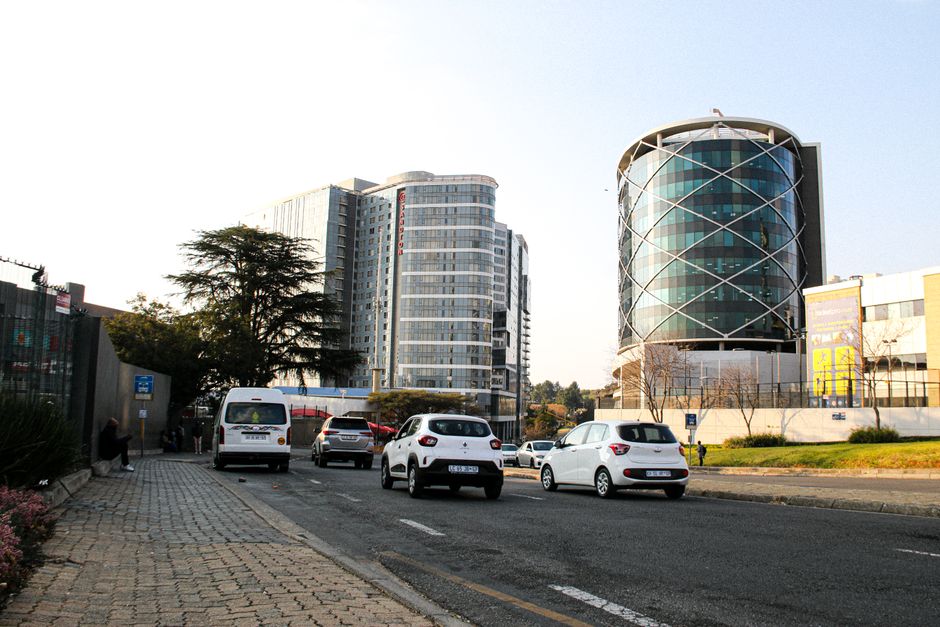
On the gleaming rooftops of the Sandton office parks, solar panels catch the Johannesburg sun with increasing frequency. Battery storage facilities are rising in Midrand. Yet behind this glittering transition to green energy lies a messier truth that few are discussing openly as the city positions itself as Africa's clean-tech hub.
The promise is real. South Africa's grid crises have forced Johannesburg's business district to embrace renewables at scale—some estimates suggest commercial solar capacity in the greater metro area has tripled since 2020, with installations now commonplace from the CBD to Rosebank. For those who can afford rooftop systems or grid-tied batteries, the benefits are immediate: lower electricity bills and energy independence.
But the angle often overlooked is who gets left behind. Solar installation costs remain prohibitive for townships in the south of the city—Alexandra, Soweto, and Katlehong residents rarely see these installations, even as wealthy northern suburbs race ahead. The municipality's 2024 green energy incentives disproportionately benefited commercial developers, not ordinary residents struggling with load-shedding.
Then there's the supply-chain question. Many of Johannesburg's imported lithium batteries and solar panels source materials from mines with documented labor and environmental concerns in the Democratic Republic of Congo and elsewhere. We're solving our energy crisis by outsourcing ecological damage, a pattern that mirrors the city's historical extraction economy.
Corporate sustainability claims further muddy the waters. Major retailers and tech companies headquartered in Johannesburg tout carbon-neutral operations, yet their supply chains often remain opaque. Greenwashing—the practice of appearing environmentally responsible without substantive action—has become endemic to the industry.
There's also the skills gap. While green-tech jobs are proliferating, most available positions require qualifications that historically disadvantaged communities struggle to access. The opportunity for real transformation exists, but only if training programs in areas like Soweto and Mitchells Plain receive serious funding and attention.
Senior figures at organizations like the Johannesburg City Improvement District have begun acknowledging these tensions. The conversation is slowly shifting from "how fast can we transition" to "who benefits from this transition."
Clean energy isn't inherently unjust—but without deliberate design, investment, and accountability, Johannesburg risks building a green future that looks suspiciously like our unequal past. The technology works. The harder work is ensuring the benefits reach everyone.
This article was compiled by AI from the sources linked above and screened before publishing. See our editorial standards.