Johannesburg's Remote Work Revolution: The Promise, ...
As coworking spaces proliferate across the city's tech hubs, experts warn that flexibility and affordability mask deeper questions about labour rights, data security and who really benefits.
As coworking spaces proliferate across the city's tech hubs, experts warn that flexibility and affordability mask deeper questions about labour rights, data security and who really benefits.
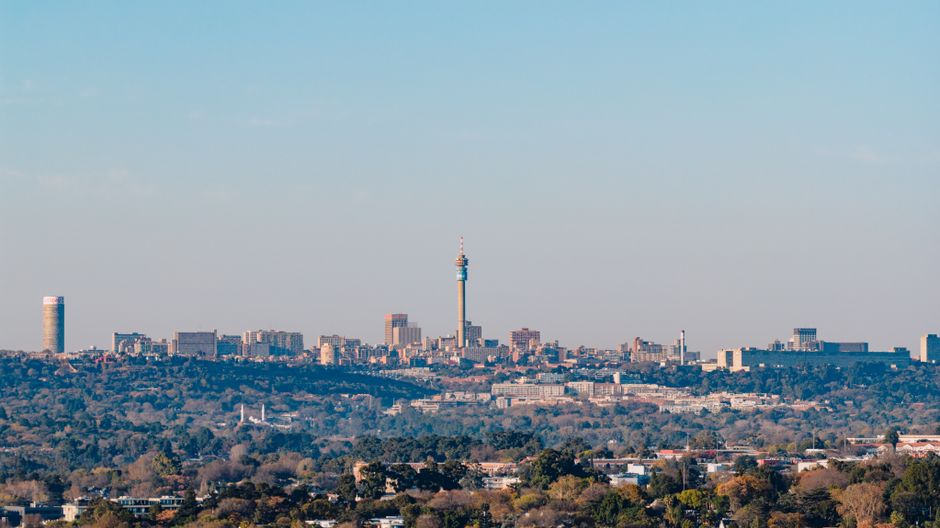
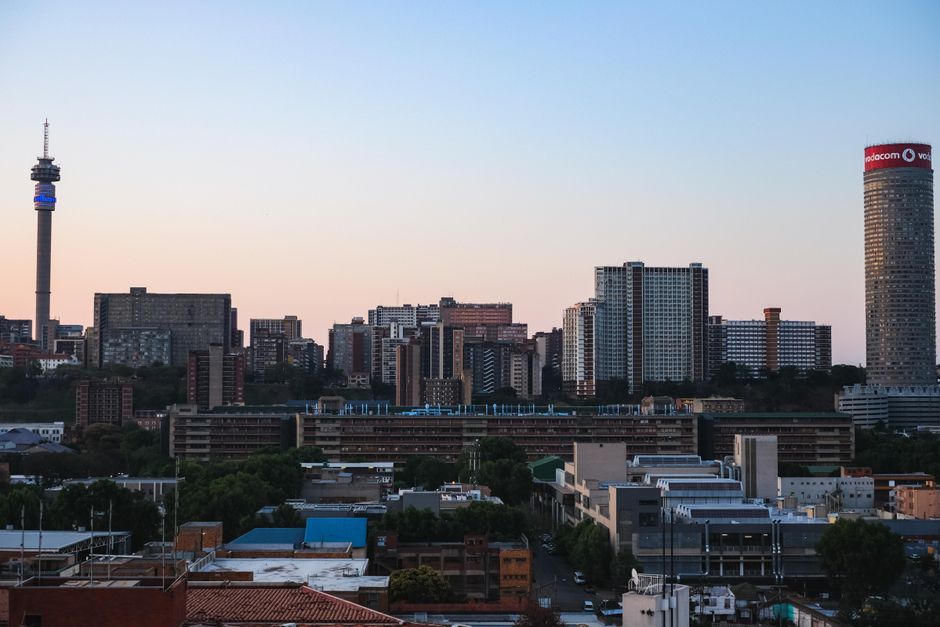
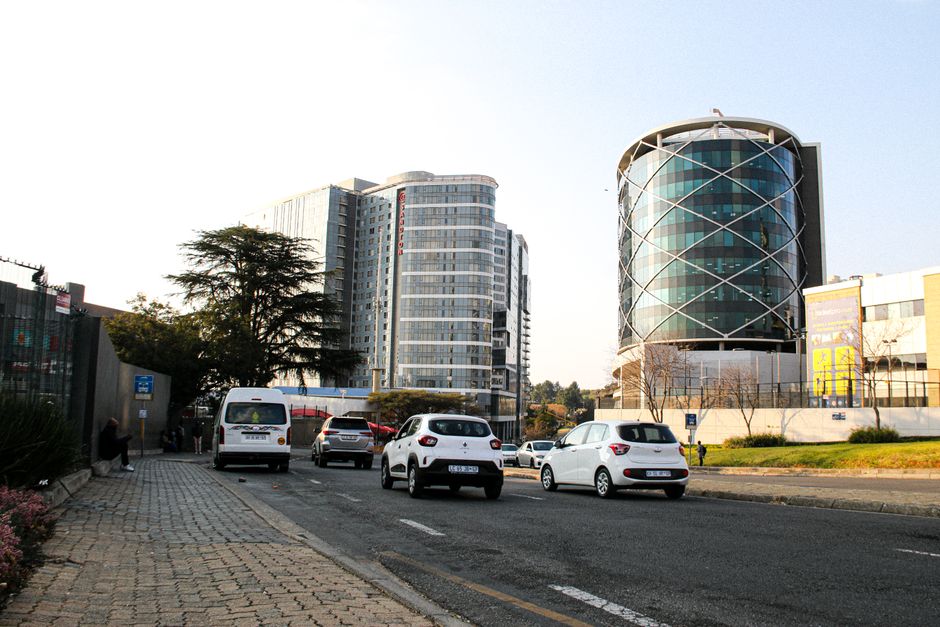
Walk into any of Johannesburg's trendy coworking spaces—from the sprawling operations in Braamfontein's industrial conversion district to the sleek setups in Sandton's office towers—and you'll see the future of work. Developers, freelancers and startup teams huddle over laptops, fuelled by artisanal coffee and the promise of flexibility. But beneath this glossy veneer lies a complex web of challenges that the city's booming remote work sector has yet to seriously reckon with.
The numbers tell a seductive story. Johannesburg's coworking market has grown by roughly 35% annually since 2023, according to commercial property trackers, with monthly memberships ranging from R1,800 to R4,500 depending on location and amenities. For freelancers and small teams, this represents genuine liberation from the tyranny of long commutes on congested Gauteng highways and the overhead of traditional office leases. Yet this liberation comes with invisible costs.
Consider data security. Most coworking spaces operate shared networks that, while ostensibly secure, place sensitive client information and intellectual property in environments where dozens of strangers have access. A developer working on fintech solutions at a Maboneng loft space, or a consultant handling personal client data in Rosebank, may unknowingly expose themselves and their clients to breach risks that far exceed those of corporate infrastructure. Yet few coworking operators conduct independent security audits or hold liability insurance sufficient to cover losses.
Then there's the labour question. Remote workers—whether coworking members or fully home-based—operate in a legal grey zone. South Africa's labour laws assume traditional employer-employee relationships. Freelancers and gig workers often lack unemployment insurance, medical aid contributions, and protection against arbitrary termination. When a project ends or a client disappears, there's no safety net. The flexibility that attracts workers to coworking spaces also isolates them from collective bargaining power.
Equally troubling is who captures value in this economy. Coworking operators and the tech platforms that connect remote workers profit substantially, while individual workers absorb risk. In Johannesburg's entrepreneurial corridors, this imbalance is widening. Wealthier freelancers can afford premium spaces with reliable power and internet; others crowd into cheaper alternatives where infrastructure frequently fails—a reality that compounds existing inequality rather than transcending it.
The promise of remote work—genuine autonomy, flexible hours, liberation from office politics—remains real. But Johannesburg's tech community must begin asking harder questions: How do we protect data in shared spaces? How do we extend meaningful labour protections to remote workers? And how do we ensure this revolution benefits everyone, not just those already privileged enough to afford its costs?
Without answers, the future of work risks becoming simply a new way to hide old exploitation.
This article was compiled by AI from the sources linked above and screened before publishing. See our editorial standards.
How does this story make you feel?
Spread the word
About this article
Published by The Daily Johannesburg
Daily brief
Free, in your inbox before 7am. Weekdays.
More in tech