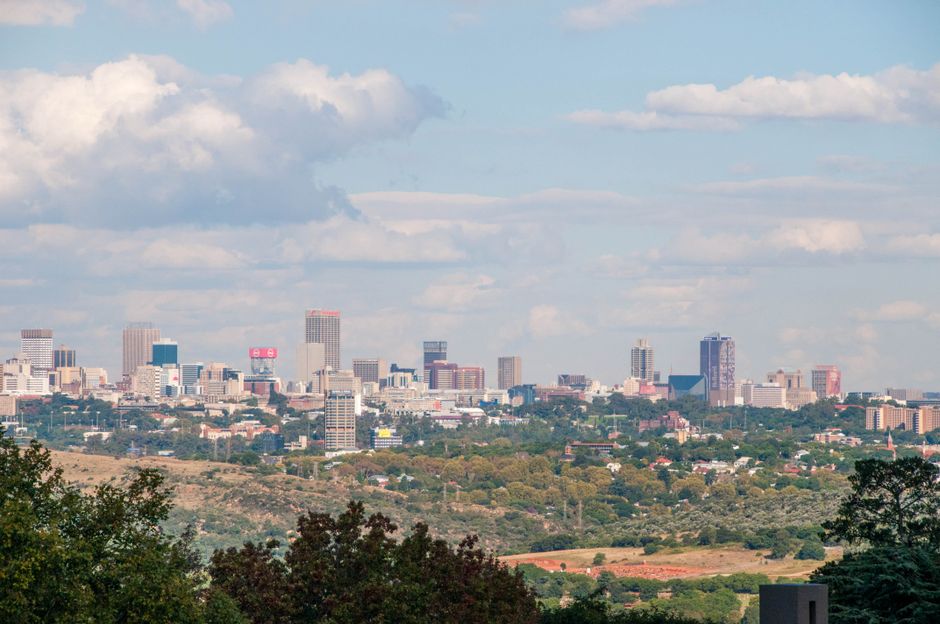
Johannesburg's startup ecosystem is experiencing a significant shift toward clean energy solutions, driven by both investor appetite and the country's pressing electricity shortage. The past 18 months have seen accelerated activity in solar installation platforms, battery storage systems, and grid-balancing technologies—with multiple ventures moving from pilot phase to commercial deployment across the city's business districts and residential areas.
Several early-stage companies operating from hubs in Braamfontein and the Innovation Hub in Sandton are now closing seed and Series A rounds. A number of these firms are tackling last-mile problems: residential solar adoption remains complicated by financing barriers and technical expertise gaps, while commercial customers still struggle with integration of renewable systems into aging infrastructure. Startups are addressing both through lease-to-own models and AI-driven energy management platforms.
The financial opportunity is real. South Africa's load-shedding crisis has created urgency: commercial electricity costs in Johannesburg have risen approximately 40% over three years, making alternative energy suddenly economically rational rather than merely idealistic. Property owners in areas like Parktown, Sandton, and Midrand are increasingly viewing solar and battery systems as essential operational expenses rather than optional upgrades.
Several accelerator programmes and venture funds—including those backed by both local and international investors—have launched dedicated green tech tracks specifically targeting South African startups. These initiatives are recognising that Johannesburg's scale, infrastructure challenges, and tech talent density create a unique testing ground for solutions with potential across the African continent.
The regulatory environment remains mixed. While the Department of Forestry, Fisheries and the Environment has clarified licensing pathways for embedded generation, grid connection procedures still move slowly. Nonetheless, several companies report that even in this uncertain landscape, customer demand is outpacing supply capacity, suggesting market validation isn't contingent on perfect policy frameworks.
Manufacturing is also emerging as an opportunity. A handful of ventures are exploring local assembly of battery storage systems and solar components, reducing reliance on imports and creating jobs in industrial areas like Isando and Kempton Park. This vertical integration could improve margins and supply chain resilience as the sector matures.
Johannesburg's position as sub-Saharan Africa's largest financial hub means capital flows are more accessible here than in other regional cities. Combined with deep technical talent and a population that has become intimately familiar with power instability, the city's green tech moment appears to be crystallising now—not in some distant future scenario.
This article was compiled by AI from the sources linked above and screened before publishing. See our editorial standards.