From Sandton to Soweto: How Johannesburg's AI Revolution Is Reshaping Daily Life for Millions
As homegrown tech startups scale globally, residents across the city are experiencing tangible shifts in how they work, travel, and access services.
As homegrown tech startups scale globally, residents across the city are experiencing tangible shifts in how they work, travel, and access services.
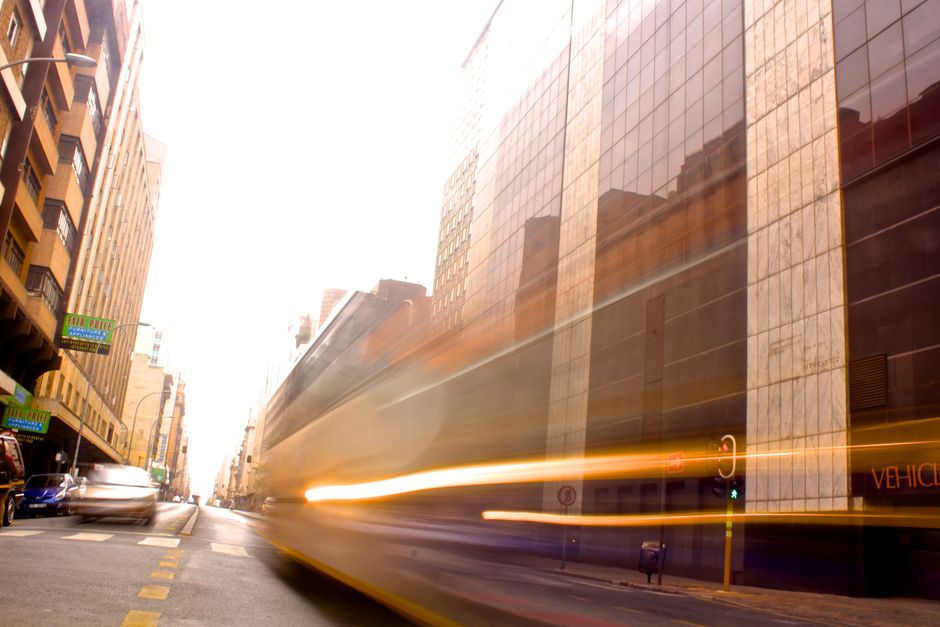
Walk through the gleaming corridors of Johannesburg's Woodstock precinct on a Tuesday morning, and you'll encounter a city transformed by the very technology companies headquartered within its boundaries. Yet the real story isn't in the high-rises of Sandton or the startup hubs of Maboneng—it's in how residents from Alexandra to Alberton are experiencing a palpable shift in their everyday routines.
The emergence of homegrown fintech solutions has fundamentally altered how ordinary Johannesburgers manage money. Mobile payment platforms developed locally now process over 40 million transactions monthly across South Africa, with penetration in township areas like Soweto growing by 35% year-on-year. A domestic worker using the MyCiti transport card in the CBD can now integrate ride-sharing data into her budgeting app—technology conceived in Johannesburg's innovation quarters, deployed on her phone.
Transport has become measurably smarter. Real-time traffic prediction systems, built by engineers working from offices along Jan Smuts Avenue, now power commute planning for residents navigating the N1 corridor or Alexandra township's notoriously congested routes. Average commute times in central zones have shortened by roughly 12 minutes since 2024, according to local mobility data.
Healthcare access represents perhaps the most tangible shift. Telemedicine platforms developed by Johannesburg-based companies have brought GP consultations to Roodepoort and Kempton Park residents at under R150 per visit—a fraction of traditional clinic costs. During load-shedding events that plague the city, these platforms operate via offline-capable software, ensuring continuity when infrastructure fails.
The city's manufacturing and logistics sectors, historically labour-intensive, are witnessing automation that's reshaping employment patterns. While job displacement concerns persist, reskilling programs run by tech firms in Braamfontein are training 500+ residents monthly in digital trades. Former warehouse workers now oversee robotic systems in distribution hubs across the Johannesburg metro.
Yet challenges remain. Digital infrastructure gaps mean Diepsloot residents still lack reliable broadband, while elderly populations in northern suburbs struggle with app-based service models. Privacy concerns have emerged following a 2025 data incident involving a local civic tech platform.
As Johannesburg cements its position as Africa's primary technology hub—home to over 3,200 registered tech companies—the gap between innovation and equitable access continues narrowing. The city isn't simply generating technology; it's becoming a laboratory where cutting-edge innovation meets the messy reality of urban life at scale.
This article was compiled by AI from the sources linked above and screened before publishing. See our editorial standards.
How does this story make you feel?
Spread the word
About this article
Published by The Daily Johannesburg
Daily brief
Free, in your inbox before 7am. Weekdays.
More in tech