Johannesburg's Smart City Pipeline: What's Next After Years of Digital Promise
City officials and tech leaders outline the 2027-2029 roadmap for civic innovation, from integrated transport hubs to AI-powered service delivery across the metro.
City officials and tech leaders outline the 2027-2029 roadmap for civic innovation, from integrated transport hubs to AI-powered service delivery across the metro.

Johannesburg's digital transformation agenda is entering a critical new phase. After years of foundational work—including the City's 2018 Smart City Strategy and subsequent pilot projects in Sandton and the inner city—municipal planners and private sector partners are now mapping out a series of tangible products set to reshape how residents interact with civic services.
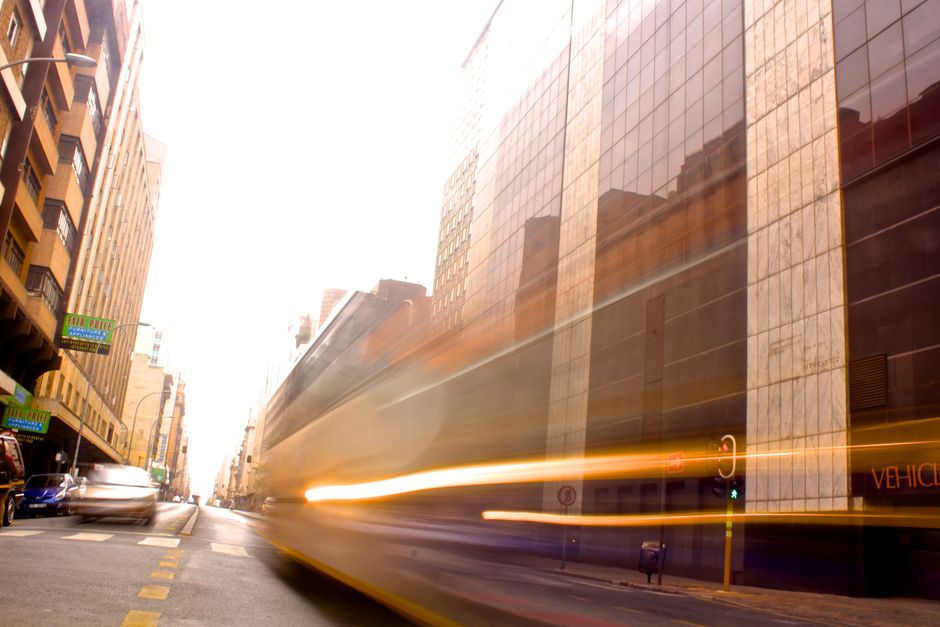
The most ambitious initiative centres on an integrated mobility platform launching in phases from Q4 2026. The City of Johannesburg has allocated R240 million towards a unified ticketing and route optimisation system spanning Metrobus, Rea Vaya, and the proposed rapid transit corridors along the N1 and Jan Smuts Avenue. Early testing in the Brixton and Fordsburg precincts showed a 23% reduction in journey times when commuters had real-time data access.
"We're moving beyond siloed services," explained one city planning official at a recent infrastructure forum in Midrand. The next wave includes AI-driven pothole detection and repair prioritisation, scheduled for pilot deployment across the inner-city wards by mid-2027. Computer vision systems installed on municipal vehicles will feed data directly into a cloud platform, allowing officials to allocate maintenance budgets with unprecedented precision.
Smart street lighting represents another pillar. A consortium of local tech firms has been contracted to retrofit 8,000 lights across high-traffic zones—Bree Street, the Rosebank precinct, and corridors leading to OR Tambo—with motion sensors and adaptive brightness by late 2027. Early cost projections suggest 34% energy savings annually, potentially freeing R180 million for other municipal services.
Water management remains urgent. The City is developing real-time leak detection systems for aging pipe networks in Alexandra, Soweto, and surrounding townships, where non-revenue water loss exceeds 40%. A blockchain-based property tax and service billing platform is also under development, intended to improve revenue collection—currently hampered by outdated systems—while offering residents transparent, digital payment options.
Less visible but equally transformative: back-office digitalisation. The City's licensing department, notorious for delays, is migrating to cloud-based processing. Business registration at the Johannesburg Property Company office on Eloff Street could drop from weeks to days.
Challenges remain. Skills shortages plague implementation teams, and cybersecurity concerns loom large. Yet momentum is building. Private sector investment in civic tech within the metro has doubled year-on-year since 2024, signalling confidence that Johannesburg's smart city vision—long constrained by budget limits and governance friction—is finally moving from blueprint to blueprint to bricks and mortar.
This article was compiled by AI from the sources linked above and screened before publishing. See our editorial standards.
How does this story make you feel?
Spread the word
About this article
Published by The Daily Johannesburg
Daily brief
Free, in your inbox before 7am. Weekdays.
More in tech