The venture capital landscape in Johannesburg has shifted dramatically over the past 18 months. What was once a cautious market dominated by legacy finance and retail sectors is now racing to capture a slice of the artificial intelligence revolution—and the numbers tell a compelling story.
According to recent data from local investment tracking bodies, AI-focused startups operating from Johannesburg and its surrounding tech hubs have attracted over R2.8 billion in funding since early 2025. This represents a 340% increase compared to the same period three years ago, signalling a fundamental reorientation of how capital moves through the city's entrepreneurial ecosystem.
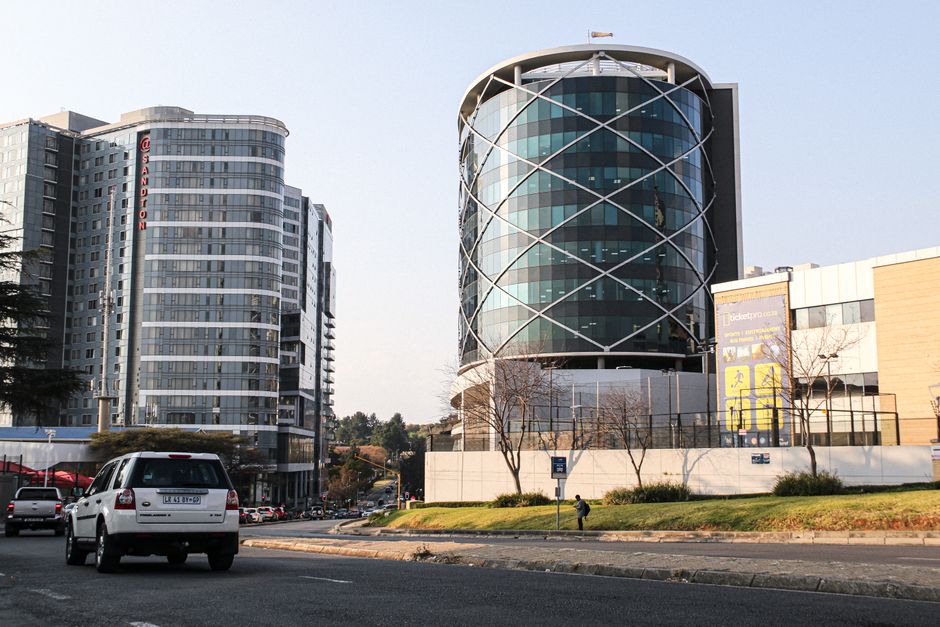
The concentration is particularly visible in Sandton's corporate corridors and the emerging innovation clusters along the roads connecting Midrand to Bryanston. Companies specializing in machine learning for fintech, supply chain optimization, and business automation have become the darlings of both local and international investors. Several firms based in the Johannesburg CBD and Rosebank office parks have recently closed Series A rounds exceeding R150 million each.
"We're seeing institutional money arrive from Europe and Asia specifically looking for AI talent and applications," explains the broader investment environment, with venture firms now maintaining dedicated teams focused on the African tech opportunity. Early-stage accelerators hosted at venues like the Joburg Innovation Hub report record applications, with AI-related pitches now comprising 42% of their intake—up from just 12% in 2023.
The growth extends beyond pure software. Manufacturing facilities in the industrial precincts east of the city are deploying AI systems for predictive maintenance and quality control, while professional services firms in the Johannesburg Stock Exchange precinct are integrating intelligent automation into everything from legal document review to compliance monitoring.
Yet the story isn't without friction. Training remains a critical bottleneck; local universities are struggling to graduate AI engineers fast enough to meet demand, creating salary inflation that has priced out smaller operations. Commercial real estate in Sandton and Midrand has seen rental increases of 18-24% as tech companies expand office footprints.
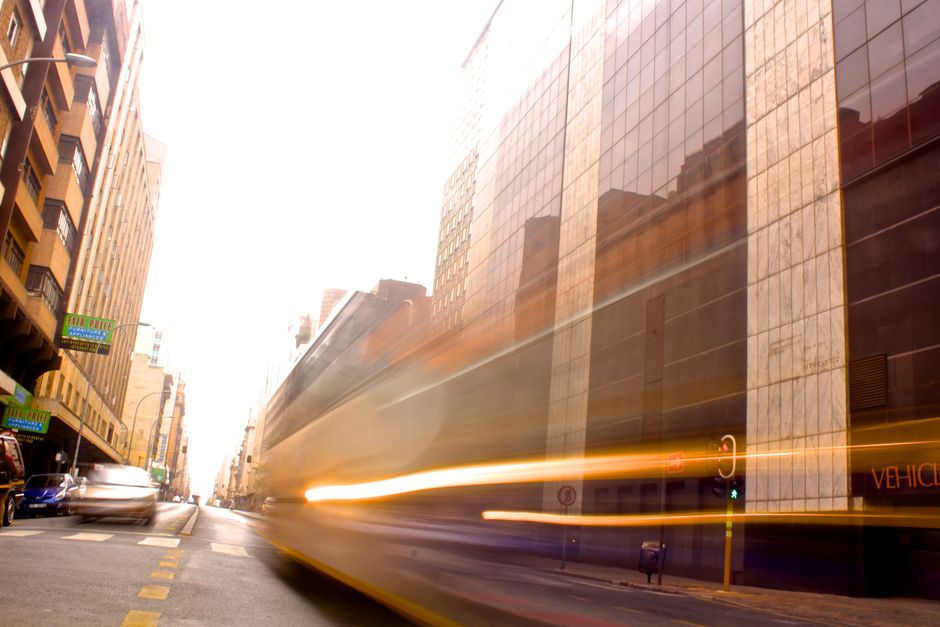
Still, the trajectory is unmistakable. Johannesburg, long cast as South Africa's financial powerhouse, is rapidly transitioning into something more: a genuine technology city where artificial intelligence isn't just a buzzword, but the engine driving a new wave of investment, job creation, and international recognition. For a city historically defined by gold, this latest rush—driven by data and algorithms rather than ore—may prove equally transformative.
This article was compiled by AI from the sources linked above and screened before publishing. See our editorial standards.