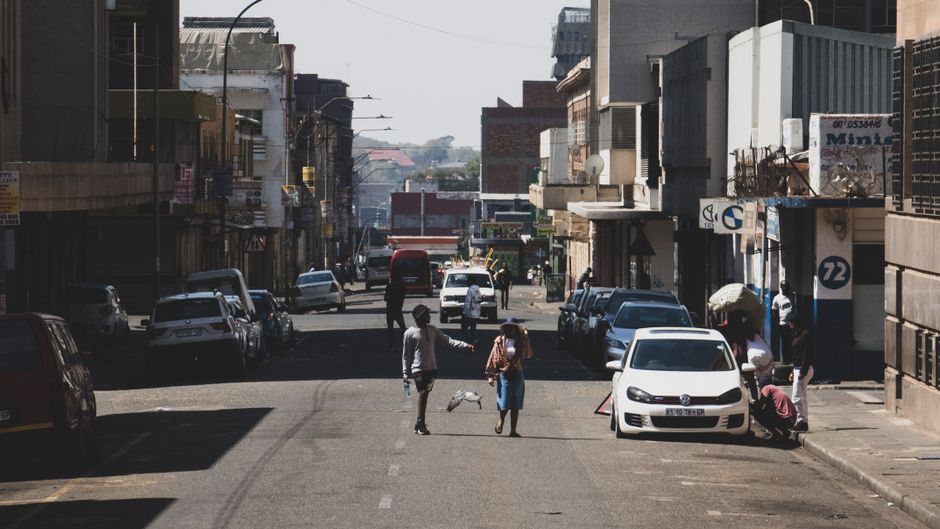
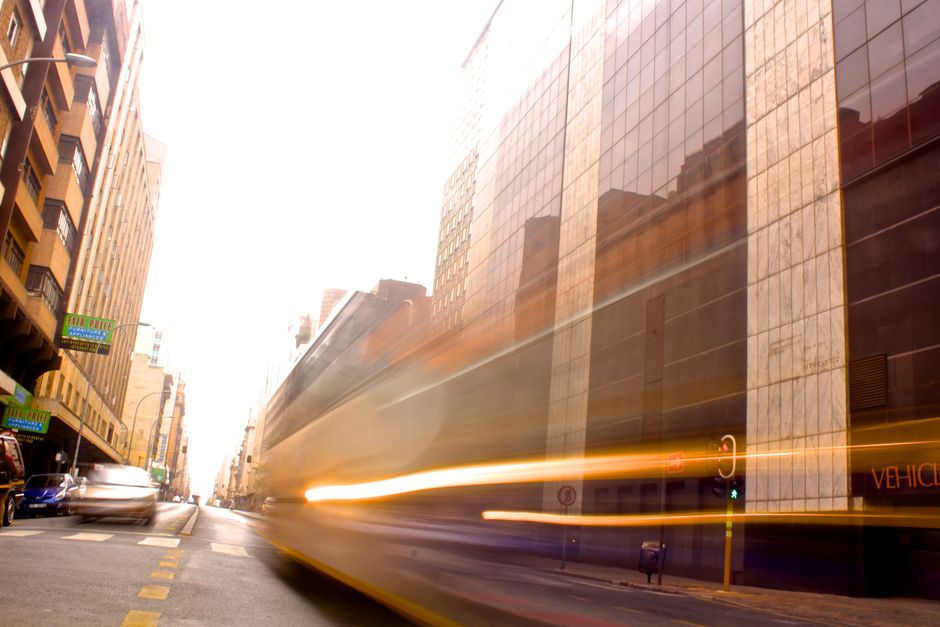
For years, the M1 highway into Sandton was a symbol of Johannesburg's grinding inequality: luxury vehicles crawling bumper-to-bumper alongside minibus taxis, all headed to the same economic centre. Today, that picture is shifting. Coworking spaces sprouting across the city's neighbourhoods are giving residents an alternative to the exhausting daily migration into the CBD.
The numbers tell a compelling story. According to the Johannesburg Chamber of Commerce, remote and flexible work arrangements now account for approximately 23% of formal employment in the metropolitan area—a figure that has nearly tripled since 2020. More significantly, coworking spaces in secondary nodes like Braamfontein, Melville, and even Fourways have grown by 40% over the past three years, reflecting a fundamental shift in how Johannesburg residents structure their working lives.
For many, the impact is immediate and tangible. Commuters who once spent two hours daily navigating the N1 are now walking to shared workspaces within their own neighbourhoods. A workspace membership in areas like Maboneng typically costs between R2,500 and R4,500 monthly—substantially less than petrol, parking, and vehicle maintenance for daily commuting. For workers in outlying areas like Midrand or Alberton, the savings on transport and time are even more dramatic.
The ripple effects extend beyond individual wallets. Local coffee shops, restaurants, and retail businesses in Braamfontein and Parkhurst have reported increased daytime foot traffic as coworking residents spend breaks and lunch hours in their neighbourhoods rather than isolated office parks. Small business owners report that flexible workers are becoming regular customers, fundamentally changing the economics of previously struggling retail strips.
Yet challenges persist. While Johannesburg's northern suburbs enjoy abundant workspace options, residents in southern areas like Soweto and Orange Farm still face limited alternatives, perpetuating the digital divide. Internet connectivity remains inconsistent in some townships, making reliable remote work impossible for many despite the infrastructure improvements of recent years.
Perhaps most significantly, coworking is reshaping Johannesburg's social fabric. Professionals no longer clustered in anonymous office towers are rebuilding community connections in their actual neighbourhoods. Parents can better balance school runs with work obligations. The stereotypical Johannesburg commute—an isolating daily ordeal—is becoming optional for growing numbers of residents.
As this trend accelerates, the question facing city planners is whether Johannesburg can equitably distribute these opportunities across all communities, ensuring that the future of work benefits everyone in the city, not just the privileged few.
This article was compiled by AI from the sources linked above and screened before publishing. See our editorial standards.