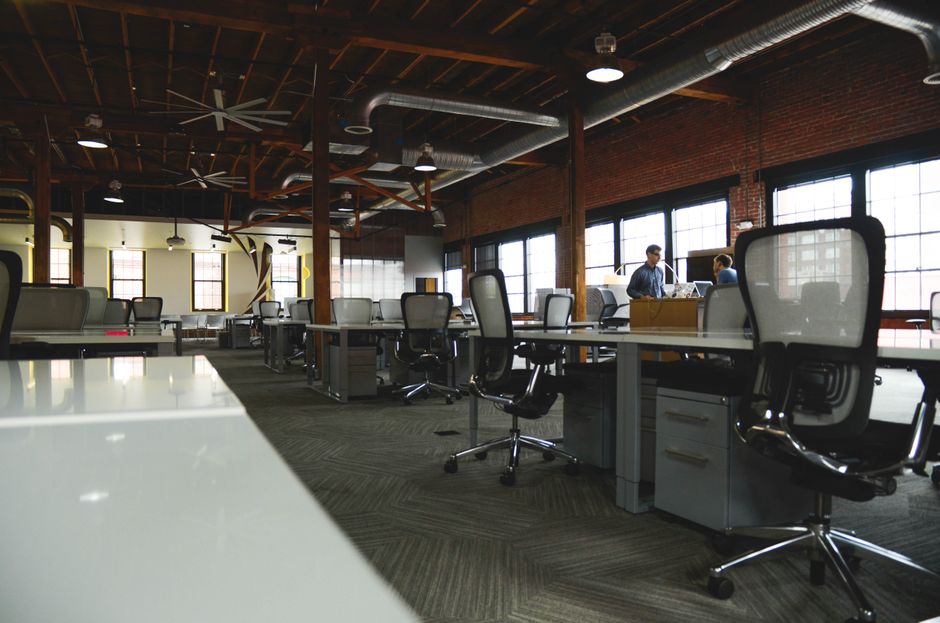
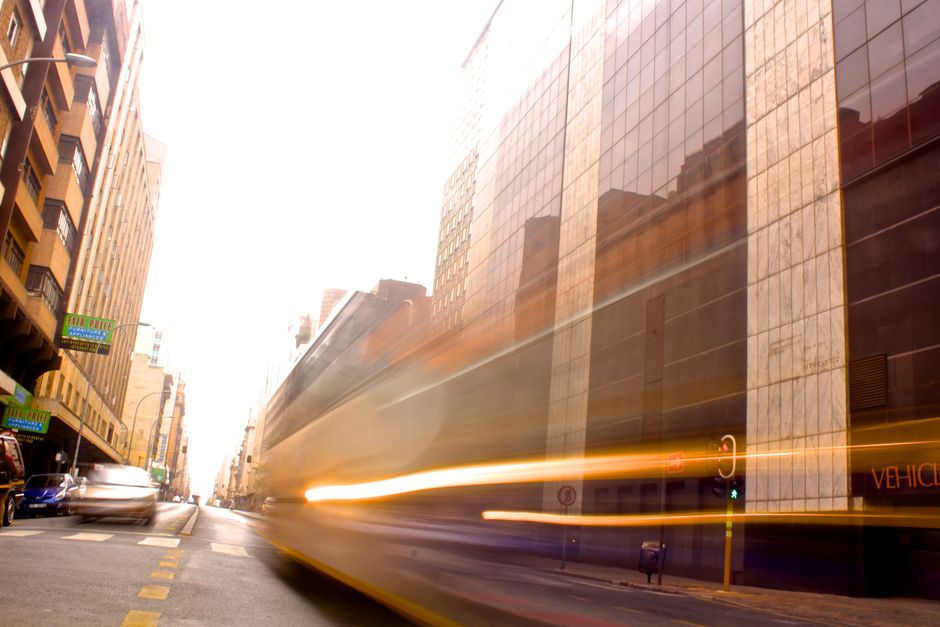
Johannesburg's coworking sector is entering a new phase. After three years of steady growth—with occupancy rates across Sandton and Braamfontein sitting around 72%, according to recent property surveys—operators are no longer competing on desk availability alone. Instead, they're racing to integrate artificial intelligence, wellness infrastructure, and neighbourhood-based satellite offices into their service offerings.
The shift reflects a broader realisation: remote work isn't a temporary arrangement. It's the operating system for how Johannesburg's knowledge workers, tech entrepreneurs, and professional services firms now function. Companies like Automattic and Takealot have normalised distributed teams. Now, the physical spaces supporting them must evolve accordingly.
Several major developments are in motion. A Sandton-based operator confirmed plans to launch an AI scheduling assistant by Q3 2026 that will optimise meeting room usage, predict peak occupancy, and recommend alternative venues in real-time across a multi-site network. Another provider is piloting sensory pods—climate-controlled micro-spaces with biometric feedback systems—at their Braamfontein flagship, with rollout to secondary locations in Rosebank and Midrand planned for early 2027.
Perhaps more significantly, operators are decentralising. Rather than funnel all activity into a single premium location, several are launching "neighbourhood hubs"—smaller, more affordable offices in areas like Melville, Parkhurst, and Johannesburg's emerging Maboneng node. The logic is economic and social: why commute 45 minutes to Sandton if a well-equipped 15-desk space exists five kilometres from home? Current pricing for these secondary hubs ranges from R2,500 to R4,500 per desk monthly, compared to R6,500–R9,000 in central Sandton.
Mental health integration is another frontier. One operator announced a partnership with a Johannesburg-based wellness startup to embed counselling services, meditation rooms, and digital mental health tools into member benefits. This addresses a real challenge: remote workers report higher isolation but struggle to access support services.
The technological convergence—AI dispatch systems, IoT-enabled spaces, integrated booking platforms, community programming—suggests that coworking in 2027 will look radically different from today. The individual desk is becoming almost incidental. The real product is a network: flexible, distributed, intelligently managed, and embedded within neighbourhoods rather than concentrated in glass towers.
For Johannesburg, this represents an opportunity to distribute opportunity more equitably across the metropolitan area, while cementing the city's status as a serious hub for remote-first work in Africa.
This article was compiled by AI from the sources linked above and screened before publishing. See our editorial standards.