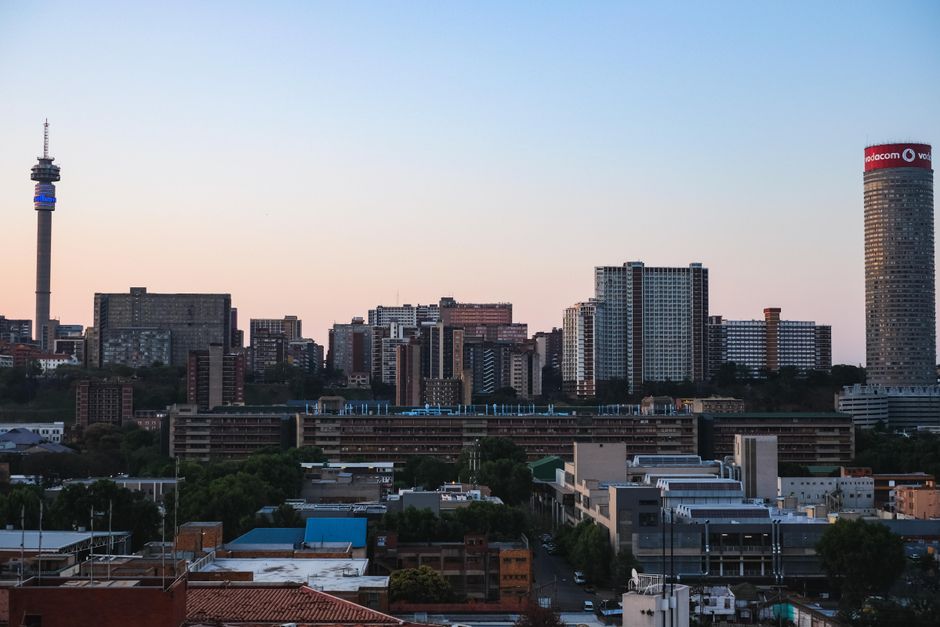
Walk into any co-working space in Braamfontein or the Maboneng Precinct these days, and you'll hear the same conversation: how to fix Johannesburg's infrastructure problems with code. Six months into 2026, the local startup ecosystem is experiencing a sharp pivot toward civic technology—driven partly by frustration with municipal service delivery, partly by genuine opportunity.
The City of Johannesburg's recent procurement push for digital transformation has created an opening. Earlier this year, the municipality allocated R2.8 billion toward smart city initiatives, with particular focus on water management, traffic optimisation, and billing systems. For founders, it's a signal: the gaps are real, the budget exists, and the timeline is urgent.
"We're seeing founders who would have built consumer apps three years ago now building B2B solutions for municipalities," says a senior figure in Johannesburg's startup advisory space. Several early-stage companies are already piloting projects. One Sandton-based firm is trialling an AI-powered pothole detection system using municipal vehicle dashcam footage. Another, based near the Johannesburg Stock Exchange, is working on real-time water consumption analytics for residential areas battling supply restrictions.
The movement reflects broader realities. Johannesburg's water crisis has deepened: per capita consumption in northern suburbs exceeds 300 litres daily, nearly triple the recommended level. Sewage outages in Alexandra and Diepsloot have persisted for months. Load-shedding, while originating from Eskom, cascades through municipal service centres and payment systems. These aren't abstract problems—they're immediate headaches for residents and businesses alike.
Three innovation hubs—including Bandwidth Barn in Marshalltown and The Forge in Midrand—have launched dedicated streams for govtech startups. Funding remains tight, but grant programmes from the Department of Science and Innovation have begun flowing. A handful of founders report interest from venture capital firms tracking the sector, particularly those with emerging markets mandates.
Challenges persist. Municipal procurement moves slowly. Proof-of-concept projects often stall. And the most talented engineers are frequently recruited overseas before projects mature. Yet momentum is building. By mid-2026, the conversation has shifted from whether Johannesburg needs digital transformation to who will build it—and whether that someone will be local.
This article was compiled by AI from the sources linked above and screened before publishing. See our editorial standards.