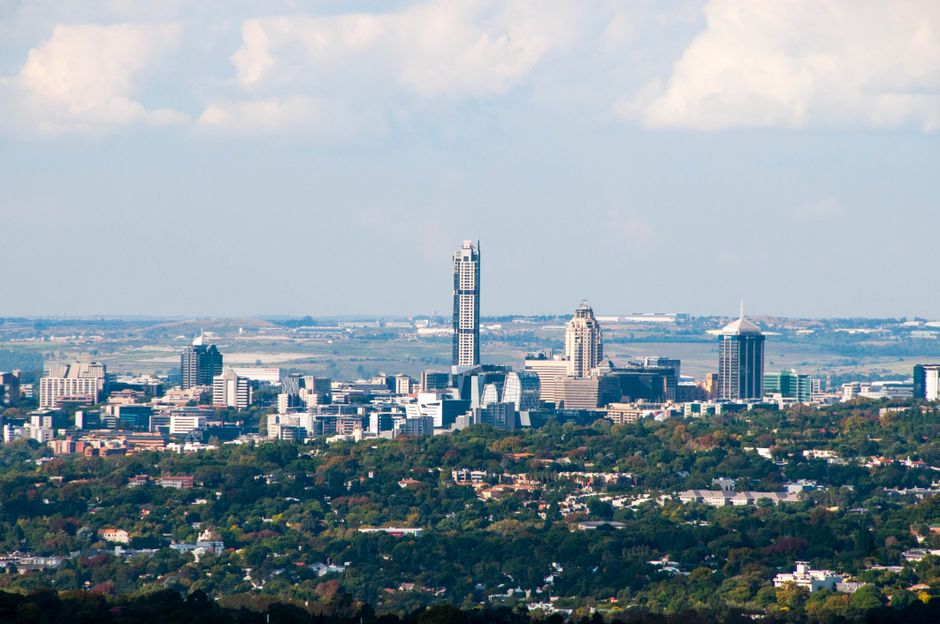
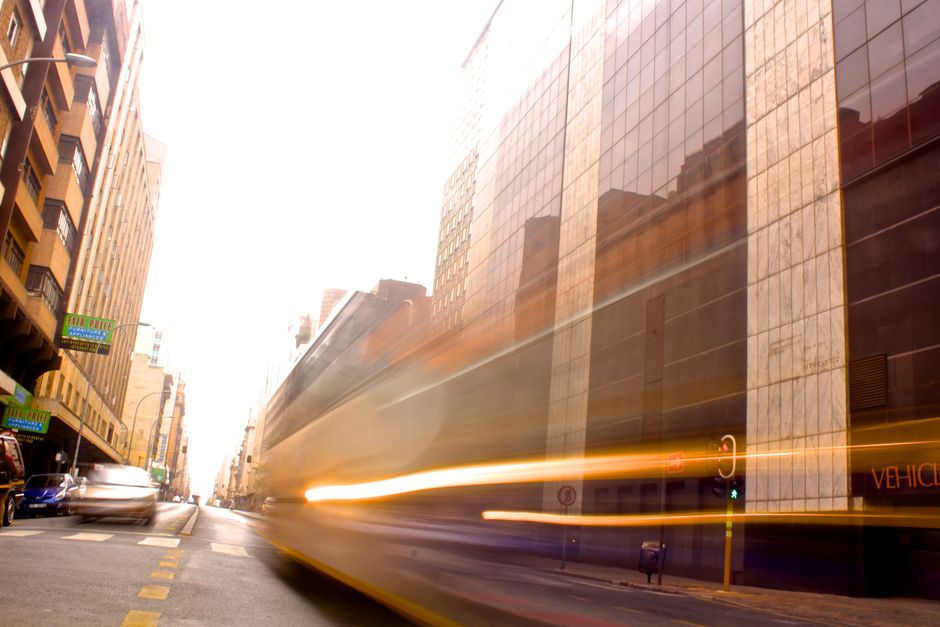
For years, the M1 highway between Johannesburg's northern suburbs and the Sandton business district has been synonymous with exhaustion. Daily commutes routinely exceeded two hours, consuming petrol budgets and leaving professionals drained before their workday began. Today, that reality is shifting dramatically as remote work and coworking infrastructure reshape how residents experience their city.
The transformation is visible across neighbourhoods. Melrose Arch, once primarily a weekend retail destination, now hosts three dedicated coworking facilities. Rosebank's corporate backbone has been supplemented by flexible workspace providers offering daily rates from R250 to R400—significantly cheaper than the R800-plus Sandton parking costs that plagued commuters. Meanwhile, emerging hubs in Bryanston and Fourways have captured professionals who previously resigned themselves to the N1 crawl.
The impact on everyday life extends beyond convenience. A 2025 survey of Johannesburg professionals found that hybrid and remote workers report saving an average of 8 hours weekly previously spent commuting. Childcare arrangements have become more manageable; parents in Midrand can now schedule school pickups without negotiating traffic. Small businesses in Parkhurst and Illovo have seen midday foot traffic increase as flexible workers grab lunch locally rather than eating at corporate canteens.
Yet the shift is uneven. While affluent suburbs have embraced coworking culture, townships and outer-lying areas remain underserved. Internet connectivity disparities mean remote work remains a privilege concentrated in northern suburbs, reinforcing existing inequalities in how Johannesburg's residents experience work.
Property developers have taken notice. Several residential projects in Sunninghill and Kyalami now include ground-floor coworking zones, acknowledging that proximity to flexible workspace influences purchasing decisions. Landlords in traditionally office-focused areas report declining demand, while suburban retail spaces are being repurposed into productivity hubs.
For Johannesburg's working population, the broader change is psychological. The city's notorious traffic—long a defining burden of urban life here—is no longer an inevitable daily punishment. A teacher in Sandton can now work from a Bryanston coworking space twice weekly. A consultant in Johannesburg CBD can operate from a Rosebank facility steps from restaurants and parks, rather than a sterile office tower.
As organisations worldwide continue experimenting with flexible arrangements, Johannesburg's residents are experiencing firsthand how technology reshapes not just work, but the texture of urban living itself. The gridlock persists for those without options, but for increasing numbers, the city feels incrementally more liveable.
This article was compiled by AI from the sources linked above and screened before publishing. See our editorial standards.