Smart City Tech Is Reshaping How Johannesburg Residents Navigate Daily Life
From traffic lights that think to water meters that talk, digital transformation is quietly revolutionising commutes, utilities and safety across the city.
From traffic lights that think to water meters that talk, digital transformation is quietly revolutionising commutes, utilities and safety across the city.
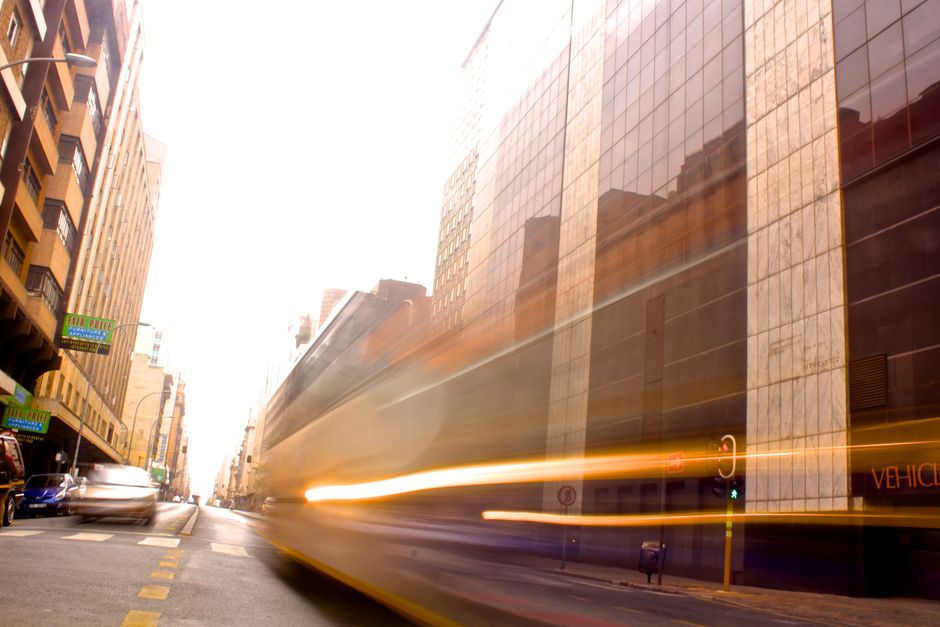
Walk down Commissioner Street during peak hour and you'll notice something different. Traffic lights are no longer rigidly timed—they're adaptive, responding in real-time to vehicle flow using AI-powered sensors. It's a small change that's saved commuters an average of 12 minutes daily, according to the City's Smart Mobility Initiative launched in 2024.
This is smart city technology at ground level, and it's transforming Johannesburg in ways both visible and invisible. In Sandton's gleaming towers and Soweto's sprawling residential areas alike, digital infrastructure is reshaping how residents live, work and move through the city.
The impact is most tangible in utilities management. Residents across Johannesburg's northern suburbs now have real-time water consumption data via mobile apps—a response to the city's persistent supply challenges. Where a household on Oxford Road in Illovo once received a quarterly bill with no granular detail, they now see hourly usage patterns. Water rates averaging R18.50 per kilolitre mean informed consumers are catching leaks faster and adjusting behaviour accordingly.
Safety integration has proven particularly significant in mixed-income areas. The Hillbrow and Berea safety initiative, launched in partnership with local law enforcement, uses networked CCTV and predictive analytics to identify crime hotspots. Residents report increased confidence in public spaces, though concerns about surveillance remain contested in community forums.
Alexandra residents have experienced perhaps the most dramatic shift. A pilot e-services hub near the Alex Mall now handles license renewals, municipal payments and permit applications—reducing trips to dispersed government offices by an estimated 40%. At R4.50 for a taxi fare each way, this translates to meaningful savings for residents managing multiple administrative needs.
But the transformation isn't seamless. Digital divides persist. While Randburg households enjoy sophisticated smart home integration, township areas still grapple with unreliable internet connectivity. The City's fibre rollout programme, targeting areas like Orange Farm and Soweto, aims to bridge this gap by 2027—though implementation timelines remain uncertain.
The Johannesburg Development Agency's latest smart city report suggests residents using digital municipal services report 35% higher satisfaction with government responsiveness. Yet adoption remains uneven, clustered among younger, more educated demographics with stable internet access.
As the city approaches mid-2026, Johannesburg stands at an inflection point. The question isn't whether smart city technology works—early data suggests it does—but whether the benefits can be distributed equitably across a city defined by stark spatial inequality. That challenge will ultimately determine whether this digital revolution becomes truly transformative.
This article was compiled by AI from the sources linked above and screened before publishing. See our editorial standards.
How does this story make you feel?
Spread the word
About this article
Published by The Daily Johannesburg
Daily brief
Free, in your inbox before 7am. Weekdays.
More in tech