Johannesburg's Aging Stadiums Struggle to Meet Global Competition Standards
As the city hosts major events, questions mount over whether Johannesburg's stadium network can deliver world-class facilities without urgent investment.
As the city hosts major events, questions mount over whether Johannesburg's stadium network can deliver world-class facilities without urgent investment.
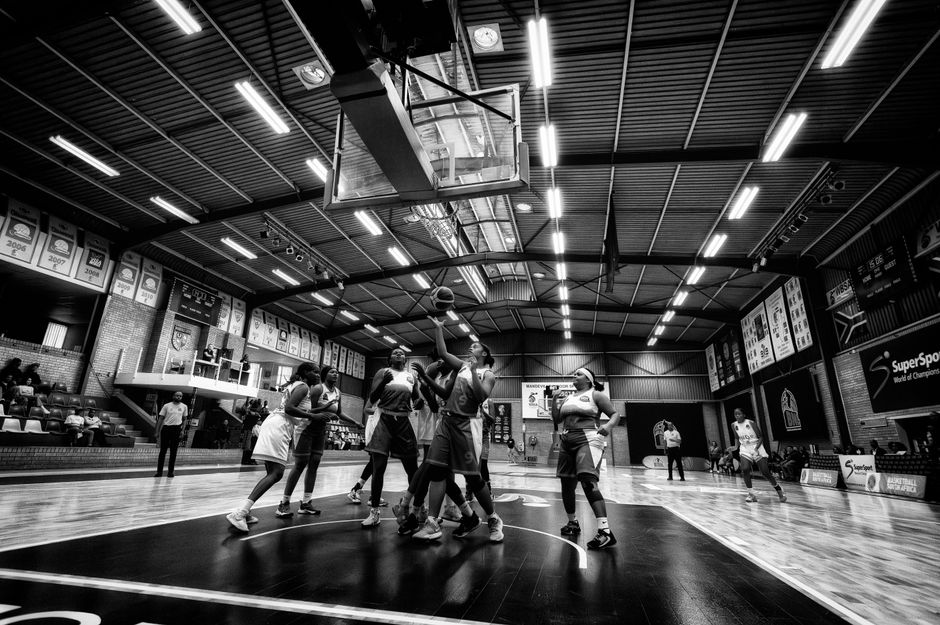
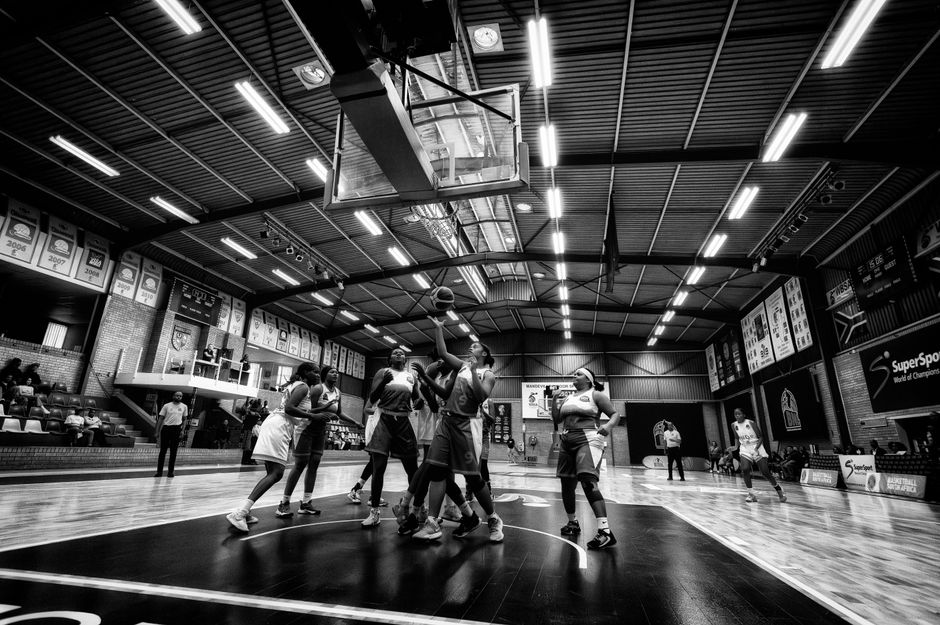
Johannesburg's sporting infrastructure tells two stories: one of historic pride, another of deferred maintenance and underutilised capacity. With the city positioned as a continental sporting hub, the condition and capability of its venues have never been more scrutinised.
The FNB Stadium in Nasrec remains the flagship facility, its 94,736 capacity making it Africa's largest. Yet even this jewel requires ongoing investment. Built for the 2010 FIFA World Cup, the venue now operates in a competitive landscape where cities across the continent are building new facilities. Maintenance costs have risen sharply—operational expenditure for major Johannesburg venues has increased by roughly 18% over the past three years, according to stadium operators, with aging electrical and plumbing systems demanding constant attention.
Ellis Park Stadium in the CBD, with its 62,567 capacity, serves as the intellectual home of South African rugby. The historic ground underwent significant renovation in 2015, but infrastructure experts note that temperature control systems and spectator amenities lag behind international standards. The venue's location on Mahlokwane Street limits expansion possibilities in an increasingly congested urban environment.
Loftus Versfeld in Pretoria, while outside Johannesburg proper, forms part of the metropolitan sporting ecosystem and hosts major events drawing substantial Gauteng attendance. Meanwhile, the Johannesburg Stadium in Alexandra, with 8,500 capacity, serves community-level sport but struggles with inconsistent funding for maintenance.
The Wanderers Cricket Ground in Illovo remains world-class for cricket, hosting international test matches, yet cricket's seasonal nature means extended periods of underutilisation. Similar challenges affect specialist facilities: the Johannesburg Tennis Club and Wanderers Tennis Courts operate at limited capacity outside tournament periods.
Investment has not kept pace with ambition. While Johannesburg continues bidding for continental and international events, competing cities like Cairo and Lagos have launched stadium modernisation programmes. The city's existing venues require approximately R2.8 billion in capital improvements over five years, according to infrastructure assessments—a figure that far exceeds current municipal allocation.
Yet challenges extend beyond bricks and mortar. Accessibility remains inconsistent; transport links to venues like FNB Stadium have improved following Gautrain development, but connectivity to smaller facilities remains problematic. Security infrastructure has been upgraded at major venues, though operational costs continue rising.
Johannesburg's sporting future depends on treating venue investment as essential infrastructure, not discretionary spending. Without deliberate, sustained commitment to upgrading facilities across all sporting codes, the city risks surrendering its position as Africa's premier sporting destination.
This article was compiled by AI and screened before publishing. See our editorial standards.
How does this story make you feel?
Spread the word
About this article
Published by The Daily Johannesburg
Daily brief
Free, in your inbox before 7am. Weekdays.
More in Sport