The numbers are striking. Over the past eighteen months, recreational league registrations across Johannesburg have surged by 34 percent, according to aggregated data from the City's Parks and Recreation Department and major amateur sporting bodies. Tennis clubs in Sandton and Rosebank report waiting lists stretching into 2027. Soccer leagues in Alexandra and Soweto have doubled their teams. Even niche sports like touch rugby and netball are experiencing unprecedented growth in neighbourhoods from Bryanston to Orange Farm.
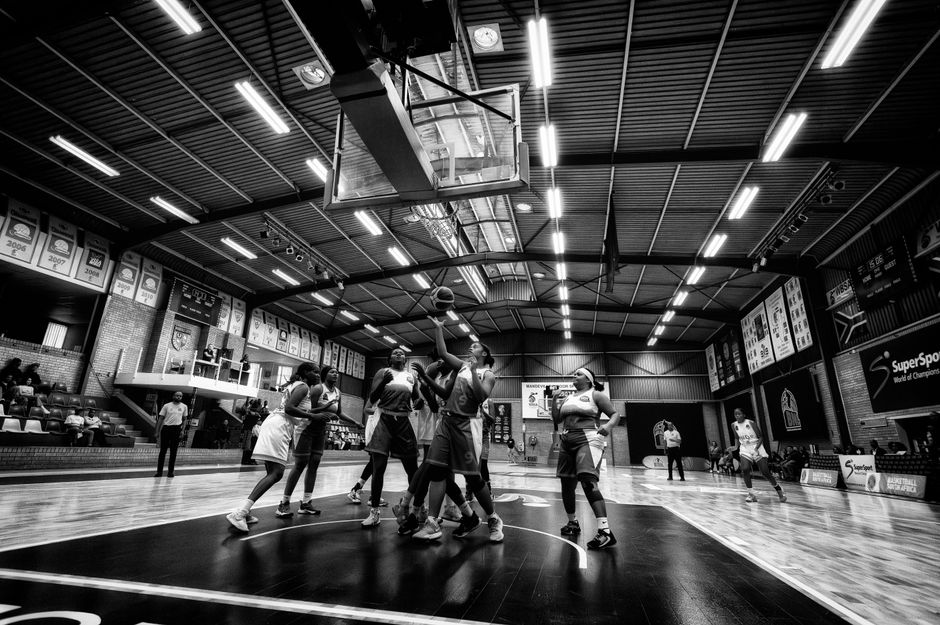
What does this tell us about Johannesburg's fitness culture? On the surface, it's heartening. A city grappling with unemployment, service delivery challenges, and social tensions is channelling energy into organised sport. The Gateway Theatre of Sport on Ghazi Street, Fordsburg, has become a hub for amateur boxing leagues. The Wanderers Sports Club in Illovo continues to anchor cricket participation, while smaller venues like Parktonian in Parktown support emerging basketball competitions.
But the data also reveals uncomfortable truths. Participation in fee-paying clubs—tennis, golf, and squash—remains concentrated in affluent northern suburbs. Sandton Lawn Tennis Club's membership fee of R8,500 annually excludes most residents. Conversely, football and netball, which require minimal infrastructure investment, dominate township and outer-metro participation.
The survey data, compiled by the Johannesburg Amateur Sports Collective, shows that 67 percent of participants in paid league sports live north of the Bruma Lake-Roodepoort axis. By contrast, 78 percent of football league participants live south or west of this divide. This geographic and economic stratification mirrors the city's broader inequality patterns, even as both cohorts embrace recreational sport with genuine enthusiasm.
There's also a gender story. Women's participation in amateur leagues has grown 42 percent, but remains skewed toward netball and hockey. Women comprise only 18 percent of registered soccer players in amateur leagues, though participation is accelerating. Running clubs—from Parkrun events in Rosebank to informal groups meeting at Melville Koppies—show more balanced gender participation.
The boom reflects something deeper than fitness trends. Johannesburg residents are seeking community, structure, and escape from daily anxieties. Amateur sport delivers all three. Yet the data reminds us that access to these benefits remains unequally distributed. True inclusive fitness culture would require sustained investment in infrastructure and subsidised league participation across all neighbourhoods—not just the affluent enclaves that already dominate the landscape.
This article was compiled by AI and screened before publishing. See our editorial standards.