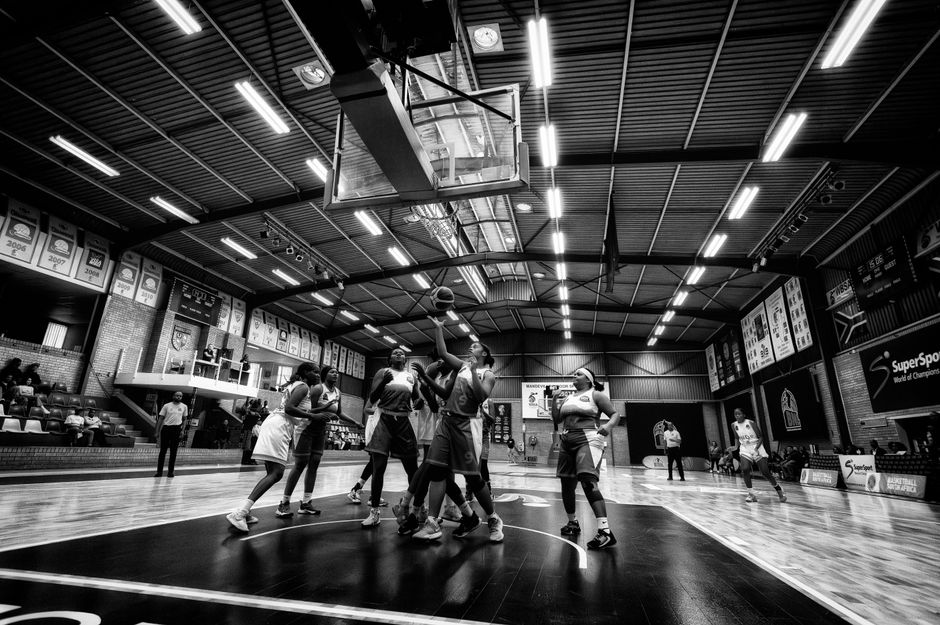
Walk through Soweto on a Saturday morning and you will find something the Ellis Park Stadium crowd rarely witnesses: the raw, unfiltered genesis of athletic talent. On cracked concrete courts in Meadowlands, teenagers volley netballs under makeshift hoops fashioned from wire and hope. In Alexandra, football pitches scarred by years of use host matches that draw no sponsorship deals, yet produce the strikers tomorrow's Premier Soccer League clubs will pursue.
This is the hidden architecture of Johannesburg's sporting excellence—a grassroots movement that exists in stark contrast to the gleaming venues that dominate the city's international image. While the Johannesburg Stadium and FNB Stadium command global attention, the real story of the city's sporting identity unfolds in the overlooked spaces where access, not affluence, determines participation.
The numbers tell a compelling story. According to data from the Johannesburg Metropolitan Municipality's Sports and Recreation Department, over 47% of the city's organised youth sport participation occurs outside formal club structures, through community centres, school networks, and informal neighbourhood associations. These grassroots programmes operate on budgets averaging R12,000 to R25,000 annually—sometimes less—yet they service thousands of young athletes across Diepsloot, Tembisa, and inner-city areas like Hillbrow and Berea.
Organisations like the Johannesburg Sport and Recreation Alliance have documented how township-based initiatives have become talent pipelines for professional sport. Rugby unions in Orange Farm, basketball leagues in Chiawelo, and athletics clubs operating from salvaged school facilities in Dobsonville have collectively produced athletes competing at national and provincial levels. The investment required is minimal; the return immeasurable.
What distinguishes Johannesburg's grassroots movement from merely recreational activity is its structural role. Community sport centres on Commissioner Street, scattered throughout the East Rand, and embedded within township schools function as social anchors. They offer not just playing fields but pathways—mentorship, coaching development, and competitive exposure that formal systems alone cannot provide.
Yet funding remains precarious. Municipal support fluctuates, corporate sponsorship gravitates toward established clubs, and facility maintenance depends on volunteer labour. A 2024 survey by local sport development agencies found that 62% of grassroots programmes reported insufficient resources for equipment and coaching certification.
As Johannesburg positions itself as a world-class sporting destination, the paradox becomes clear: the city's greatest sporting asset may not be its stadiums, but the determined communities transforming empty fields and courtyards into incubators of excellence. The champions Ellis Park will eventually celebrate were often forged in precisely the spaces the city tends to overlook.
This article was compiled by AI and screened before publishing. See our editorial standards.