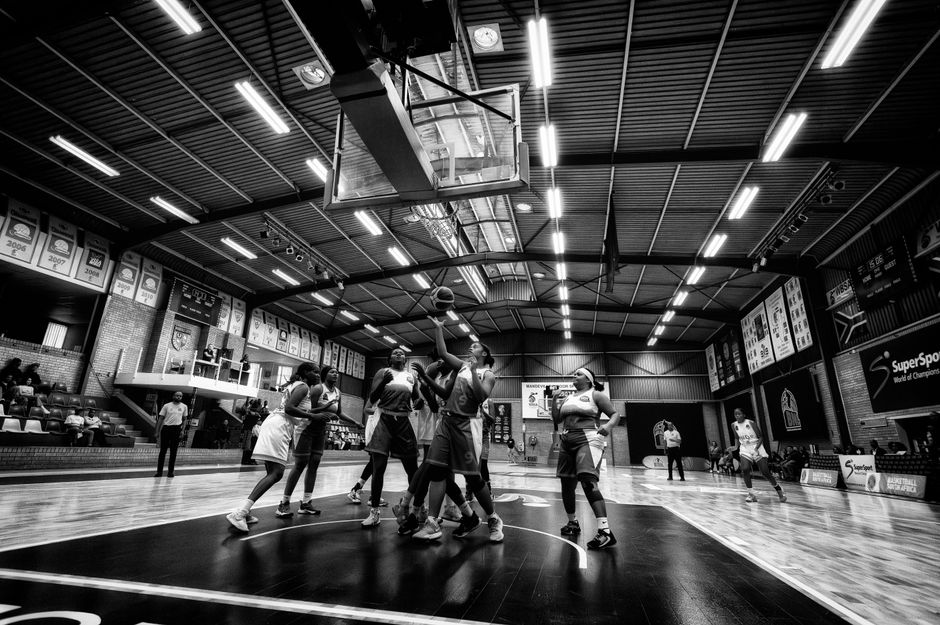
On a Saturday morning in Melville, a converted warehouse on 7th Street has become an unlikely hub for Johannesburg's climbing renaissance. Inside, climbers of all ages chalk their hands and approach walls that have transformed the industrial space into what community organisers call a training ground for something much bigger than sport.
The Johannesburg climbing movement—still largely invisible to mainstream sports coverage—represents a quiet revolution. What began roughly eight years ago with a small group of rock enthusiasts exploring the Crocodile River Gorge has blossomed into an interconnected community of over 2,000 active climbers, with at least five dedicated climbing gyms now operating across the city's northern suburbs and a thriving outdoor scene stretching from Magaliesburg to the Blyde River Canyon.
"We're not waiting for government funding or corporate sponsorship," says one established member of the Johannesburg Rock Climbing Club, speaking on the condition of anonymity. "Community members pool resources, maintain routes, and mentor newcomers. It's entirely self-sustaining."
The economics tell the story. Membership at most local climbing gyms runs between R250 and R400 monthly—far more accessible than traditional sports like golf or tennis. Equipment costs remain high, but the community has organised bulk purchasing cooperatives that have reduced harness and rope costs by nearly 30 percent compared to retail pricing. Weekend expeditions to crags near Randburg and deeper into Gauteng cost climbers nothing beyond petrol contributions.
Participation data reflects genuine momentum. Local climbing gyms report 40 percent year-on-year growth. Youth participation—climbers under 25—has grown particularly rapidly, with several schools now incorporating climbing into physical education programmes as an alternative to conventional sports.
What distinguishes Johannesburg's climbing movement is its deliberate inclusivity. Women comprise roughly 35 percent of the active climbing community, a significantly higher proportion than in many traditional outdoor sports. Accessibility remains central: disability-inclusive climbing sessions operate monthly, and several community leaders have prioritised reaching township residents through outreach programmes in Soweto and the East Rand.
The movement has also become increasingly environmental. Community climbers have established themselves as custodians of natural climbing areas, organising regular conservation efforts and advocating for protected status for key sites threatened by urban expansion and mining interests.
As Johannesburg's adventure sports culture continues maturing, this grassroots climbing network demonstrates how authentic community movements emerge not from top-down infrastructure investment, but from passionate individuals building something sustainable, inclusive, and genuinely rooted in their city's geography and character.
This article was compiled by AI and screened before publishing. See our editorial standards.