Crumbling Courts and Budget Cuts: How Johannesburg's Amateur Sport Facilities Are Struggling to Keep Up
From Soweto's township courts to northern suburbs clubhouses, the infrastructure gap is widening—and grassroots athletes are paying the price.
From Soweto's township courts to northern suburbs clubhouses, the infrastructure gap is widening—and grassroots athletes are paying the price.
On a Saturday morning in Dunkeld, the Johannesburg Cricket Club's nets are packed with teenage batsmen honing their skills. A few kilometres away in Soweto, a different reality unfolds: cracked tennis courts at the Jabulani Community Sports Centre sit largely unused, their surfaces unsuitable for serious play. This stark contrast reveals a persistent infrastructure crisis undermining recreational sport across Johannesburg's amateur leagues and clubs.
The city's sporting landscape has long been fragmented by geography and resources. Affluent areas like Sandton, Fourways, and the eastern suburbs benefit from well-maintained club facilities with modern equipment, while township and inner-city venues struggle with deferred maintenance and limited funding. A 2024 audit by the Johannesburg Metropolitan Municipality identified over 120 municipal sports facilities citywide, yet fewer than 60 are classified as being in "good operational condition."
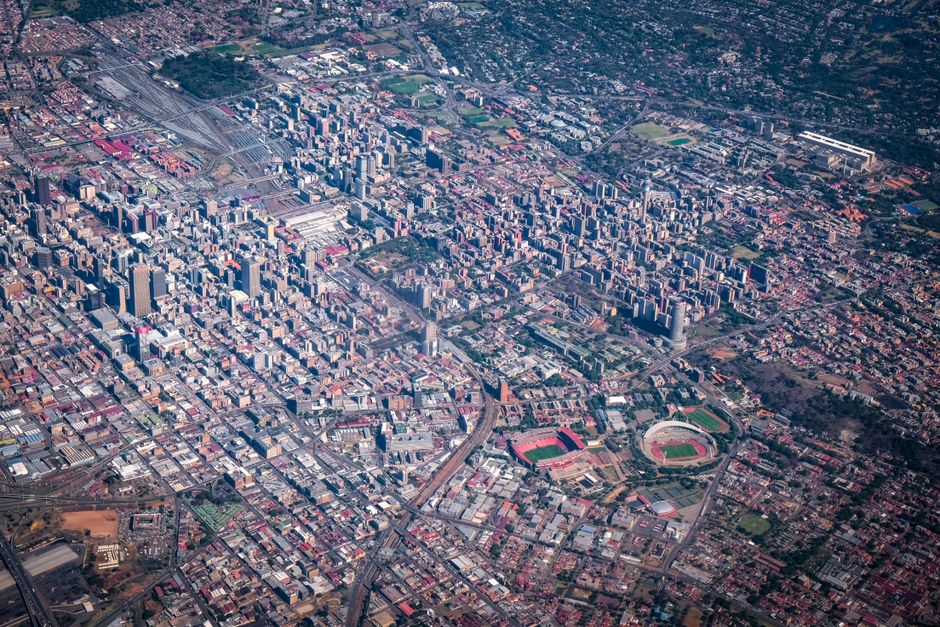
The challenges are multifaceted. Membership fees at established clubs—typically ranging from R800 to R3,500 monthly at venues like the Wanderers and Saxonwold Golf Club—exclude many amateur athletes from participating in organised leagues. Meanwhile, public facilities operated by the City remain chronically underfunded. The Rand Stadium in Johannesburg's CBD, once a flagship venue, now primarily hosts events rather than serving grassroots clubs due to maintenance backlogs.
Smaller amateur organisations have become resourceful. The Johannesburg Amateur Boxing Association operates from modest facilities in Braamfontein, relying on member contributions and occasional grant funding to maintain equipment. Similarly, township rugby clubs in areas like Alexandra and Orange Farm have built loyal followings despite limited infrastructure, often training on uneven fields without proper changing facilities.
Some progress is visible. The development of the Westbury Sports Complex on the city's west side has introduced upgraded netball and volleyball courts available for R120 per hour—affordable compared to private club rates. Community initiatives in Hillbrow and Berea have restored several courts through local fundraising, though these remain exceptions rather than the rule.
The City's Sports and Recreation Department has acknowledged the infrastructure gap, with plans to revitalise 30 facilities over the next three years. However, competing budget priorities mean progress remains sluggish. For Johannesburg's thousands of amateur athletes—from weekend footballers in Alexandra to tennis enthusiasts in Kempton Park—decent facilities remain a luxury rather than a given, perpetuating inequality in access to sport.
This article was compiled by AI from the sources linked above and screened before publishing. See our editorial standards.
How does this story make you feel?
Spread the word
About this article
Published by The Daily Johannesburg
Daily brief
Free, in your inbox before 7am. Weekdays.
More in Sport