While global headlines dominate the news cycle, Johannesburg's endurance sport community is quietly celebrating a transformation in local infrastructure that has positioned the city as a genuine hub for runners, cyclists, and triathletes. The investments in facilities and venues over the past five years have created unprecedented opportunities for athletes at all levels.
The completion of the Westlake MTB Park near Midrand has been transformative, offering 45 kilometres of purpose-built mountain biking trails that attract serious cyclists from across the region. More importantly, the facility demonstrates a shift toward strategic infrastructure investment. Similarly, the Johannesburg Parks and Recreation's continued development of the Northcliff-Melville green corridor—stretching nearly 12 kilometres—provides accessible route options for both runners and cyclists navigating the city's northern suburbs.
For track cycling, the newly upgraded Westlake Velodrome has become the heartbeat of the discipline locally. With lap times clocked at competitive standards, the facility has hosted regional championships and continues to draw sponsors investing in emerging talent. The venue charges modest hourly rates, making elite-level track access affordable for development athletes.
Triathlon specifically has benefited from strategic infrastructure partnerships. The Emmarentia Dam in Parktown remains a cornerstone venue for open-water swimming, hosting the annual Joburg Open Water Festival. Coupled with nearby road networks and the expanding Cradle of Humankind trails accessible via Muldersdrift, athletes can construct comprehensive training programmes without leaving the metropolitan area.
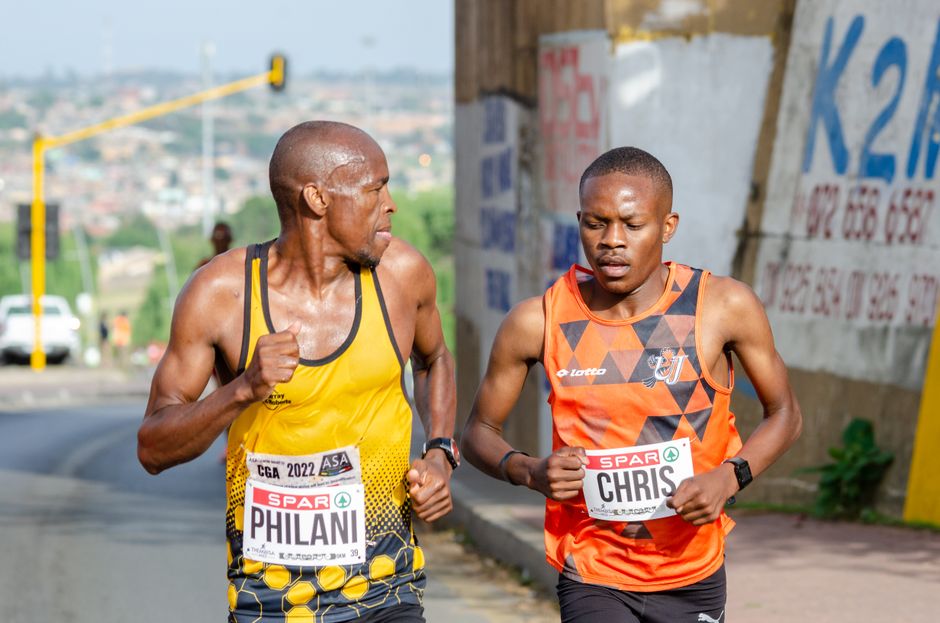
Running infrastructure has seen perhaps the most visible expansion. The expansion of the Jukskei Trail system—now covering over 60 kilometres of marked routes through Johannesburg's northern and western suburbs—has established safe, monitored corridors for distance runners. The trail's integration with neighbourhood watch initiatives has addressed historical safety concerns that previously limited training flexibility.
Facilities remain genuinely affordable by international standards. Gymnasium memberships with pool access range from R450–750 monthly, while trail access is largely free or minimal-cost. This accessibility matters: Johannesburg's triathlon community has grown approximately 35 per cent over the past three years, directly correlated with improved facility availability.
Yet challenges remain. Maintenance of secondary trails remains inconsistent, and dedicated cycling infrastructure in central business corridors lags behind global comparisons. Advocacy groups continue pushing for expanded investment in safety lighting and water stations on key routes.
Nevertheless, athletes and coaches increasingly view Johannesburg not as a secondary training base, but as a genuine destination. The city's altitude, climate, and expanding infrastructure are finally aligning—creating genuine competitive advantage for endurance athletes building programmes here.
This article was compiled by AI from the sources linked above and screened before publishing. See our editorial standards.