Johannesburg's amateur sports landscape is thriving. Whether you're a fitness enthusiast looking for community, someone recovering from injury seeking gentle competition, or simply after a weekend distraction, the city's recreational leagues offer something for nearly every skill level and budget.
The most accessible entry point remains football. The Johannesburg Metropolitan Amateur Football League (JMAFL) operates leagues across multiple divisions, with registration fees typically ranging from R800 to R1,500 per season. Teams compete weekly across venues in Rosettenville, Alexandra, and Soweto. Many neighbourhood clubs—particularly in Melville, Braamfontein, and around the University of Johannesburg's grounds—run informal training sessions where newcomers can trial before committing financially.
Cricket remains popular in traditionally established areas. The Johannesburg District Cricket Association coordinates club-based leagues with entry fees between R2,000 and R3,500 annually. Clubs like those operating from Wanderers Park in Illovo and local grounds in Sandton welcome social players alongside competitive squads. Summer seasons (October to March) typically attract the largest participation.
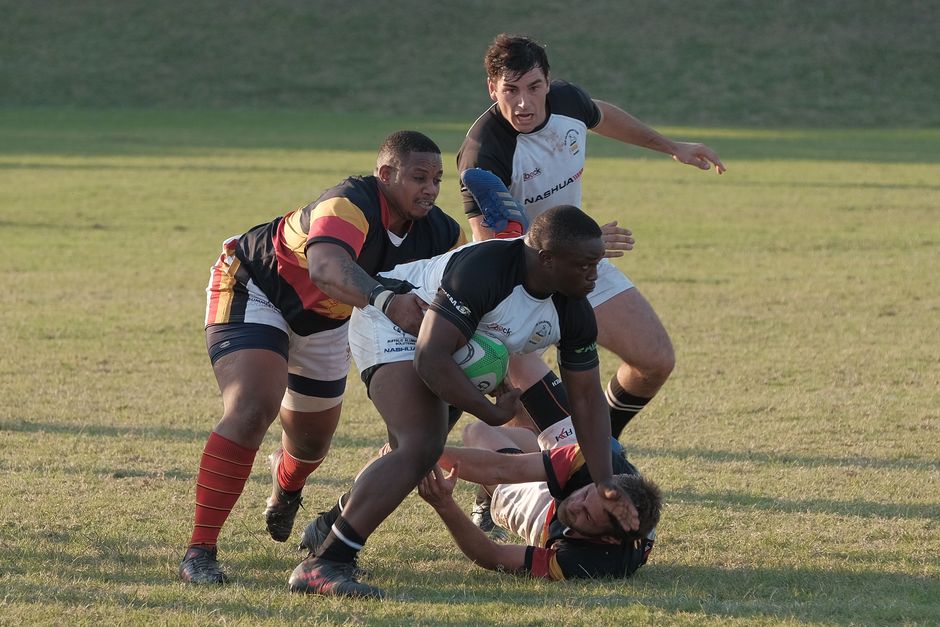
Rugby has seen renewed grassroots energy. The Johannesburg Rugby Union's community divisions cater to players aged 13 to 45-plus, with many clubs offering beginner-friendly contact protocols. Weekend training is standard at facilities across the northern suburbs and in Soweto, with kit hire available where clubs don't require immediate equipment investment.
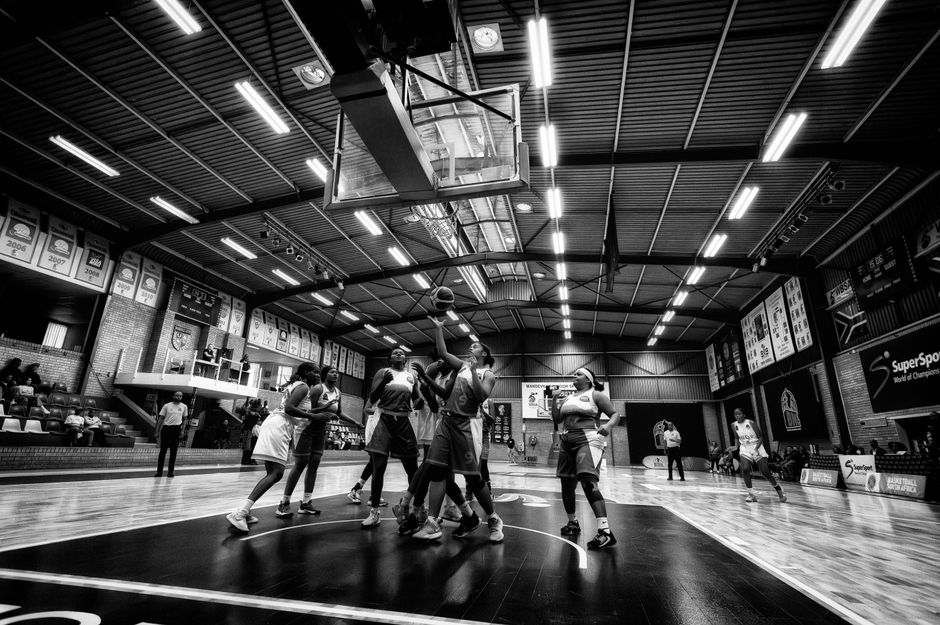
Netball and volleyball leagues operate year-round through various community centres. The Johannesburg Netball Association coordinates fixtures involving 40-plus teams; most charge R1,200 to R2,000 registration. These sports particularly appeal to women seeking competitive environments outside traditional club structures.
Several practical considerations: most recreational leagues operate on fixed seasonal calendars, so joining mid-season limits immediate fixtures. Clubs typically require basic membership forms and proof of residence or work address. Transport logistics matter—leagues cluster around accessible hubs like Fordsburg, Soweto's various sports complexes, and the northern suburbs corridor.
Digital platforms have simplified entry. The Johannesburg City Parks and Recreation Department maintains updated directories accessible via their website, while WhatsApp groups and Facebook pages remain primary communication channels for neighbourhood clubs. Many organisations now accept digital registration and payment.
Cost matters. Beyond registration, anticipate spending R3,000 to R8,000 annually on basic kit and travel. Several clubs offer payment plans or subsidised rates for participants facing financial constraints.
Starting is straightforward: identify a sport matching your interests, contact the relevant association or local club directly, attend a training session, then decide if commitment suits your schedule. Johannesburg's sports community remains deliberately welcoming to newcomers—the barrier to entry is genuinely low.
This article was compiled by AI from the sources linked above and screened before publishing. See our editorial standards.