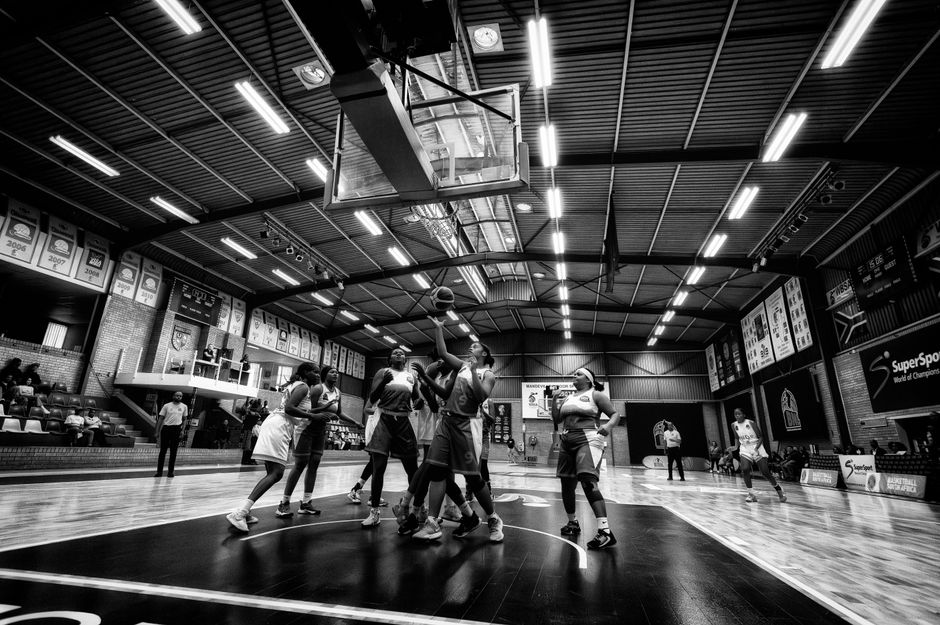
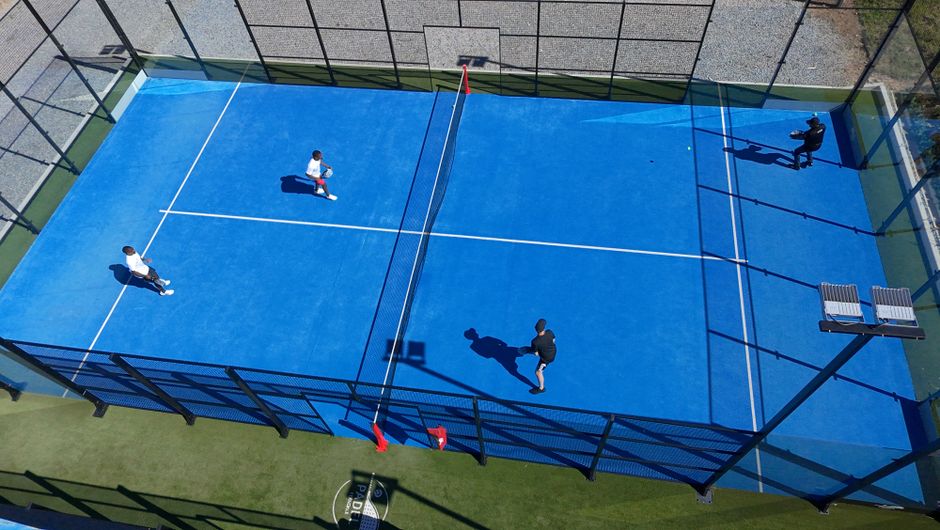
The nets at Wits University's sports complex in Braamfontein are fraying. The clay courts at Wanderers Club in Illovo show stress fractures. And the changing facilities at Ellis Park remain perpetually under repair—a microcosm of the infrastructure crisis quietly suffocating Johannesburg's recreational sport ecosystem.
These are the venues where thousands of amateur athletes gather weekly to compete in football leagues, tennis tournaments, netball competitions and cricket matches. Yet many of the facilities supporting these grassroots networks are deteriorating faster than they can be maintained.
"We're working with what we have," says one administrator at a north-of-the-Linden football club that operates three amateur leagues with over 200 registered players. The club pays approximately R8,500 monthly for field rental—a cost that has tripled in five years—while municipal facilities in Alexandra and Soweto receive minimal investment despite serving far larger participant bases.
The situation extends across the city's sporting landscape. Tennis clubs in Observatory and Killarney report waiting lists for court access, while the Johannesburg Amateur Athletic Club in Victory Park struggles with outdated track surfaces that increase injury risk. Netball leagues operating from school grounds in Rosettenville and Turffontein face seasonal disruptions when institutions prioritise curriculum activities.
The Johannesburg Metropolitan Municipality's sports facilities budget has remained essentially flat for three years, according to publicly available reports, while maintenance backlogs grow. Community recreation centres in Eastgate and Lenasia—crucial hubs for amateur leagues serving working-class participants—operate with skeleton maintenance crews.
Private clubs maintain better standards but price out ordinary participants. Monthly memberships at established venues like Johannesburg Country Club exceed R3,000, placing structured sport beyond reach for most amateurs. Municipal alternatives, though affordable, suffer from inconsistent upkeep and limited programming.
Some grassroots organisations have responded creatively. The Joburg Weekend Cricket League now partners with schools, negotiating access to better-maintained facilities during off-peak hours. Football clubs in Midrand and the northern suburbs have invested collectively in shared training grounds, reducing individual financial burden while maintaining quality standards.
Yet these workarounds only mask systemic neglect. Johannesburg's recreational sport infrastructure—the pitches, courts, tracks and clubhouses sustaining amateur competition—requires urgent, coordinated investment. Without it, the city risks losing not just facilities, but the vibrant amateur sporting culture that defines community life across its neighbourhoods.
This article was compiled by AI and screened before publishing. See our editorial standards.