Breaking Into Grassroots Sport in Johannesburg: Your Guide to Getting Involved and What You Need to Know
From Soweto to Sandton, Johannesburg's youth sport clubs are opening doors—here's how to find the right fit for your child and what to expect.
From Soweto to Sandton, Johannesburg's youth sport clubs are opening doors—here's how to find the right fit for your child and what to expect.
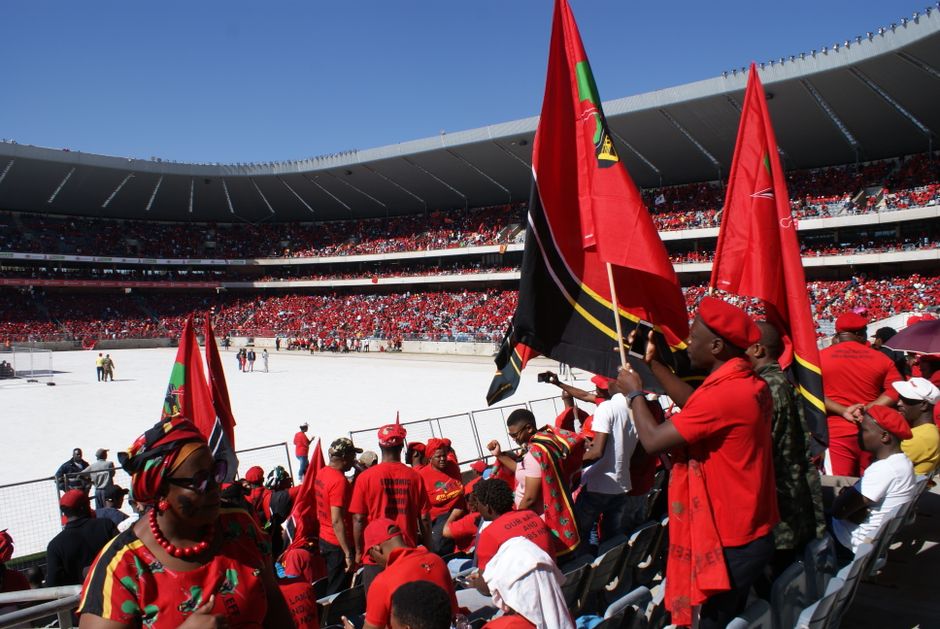
Johannesburg's grassroots sport ecosystem is booming. Whether you're a parent searching for the right club or a young athlete eager to develop your skills, the city offers dozens of entry points—but navigating them requires knowing where to look and what questions to ask.
Start with your neighbourhood. Clubs operate across all of Johannesburg's major areas: Alexandra hosts several football academies, while Sandton's sporting facilities cater to multiple codes. Soweto remains a powerhouse for soccer development, with organisations like Diepkloof Youth Football Club and countless others running structured programmes. The key is researching what's nearby and what aligns with your budget and schedule.
Cost varies significantly. Community-run clubs in townships often charge between R200 and R500 monthly, while private academies in northern suburbs can exceed R2,000 per month. Many clubs offer scholarships or sliding-scale fees—don't assume affordability is out of reach without asking. Nationally, sport participation among South African youth remains below 30%, with access barriers cited as a primary reason.
What you'll need: proper registration documentation (ID or birth certificate), medical clearance, and appropriate kit. Most clubs provide basic guidance, but come prepared. For football, you'll need boots and shin guards at minimum. Rugby clubs require mouthguards and appropriate footwear. Swimming facilities near Johannesburg's central areas demand proof of age and sometimes swimming proficiency levels.
Research club credentials. Ask about coaching qualifications—legitimate clubs employ coaches certified by their respective national bodies. The South African Football Association and Cricket South Africa maintain registries. Request references, observe training sessions, and understand the club's philosophy. Some prioritise elite development; others focus on participation and life skills.
Timing matters. Most clubs recruit during school holidays or at the start of academic terms. However, many accept new members year-round. Contact clubs directly via social media or local community centres. The Johannesburg Metropolitan Municipality's sport and recreation department maintains databases of registered clubs across regions.
Set realistic expectations. Development takes years. The best clubs integrate sport with education, mental health support, and character building—not just winning matches. Ask about player welfare policies, how clubs handle injuries, and what happens when young athletes progress or plateau.
Finally, attend a trial or training session before committing. This gives your child a feel for the environment and allows you to assess coaching quality firsthand. Johannesburg's grassroots sport community thrives on participation. Getting involved isn't complicated—you just need to start asking the right questions.
This article was compiled by AI from the sources linked above and screened before publishing. See our editorial standards.
How does this story make you feel?
Spread the word
About this article
Published by The Daily Johannesburg
Daily brief
Free, in your inbox before 7am. Weekdays.
More in Sport