Johannesburg's recreational football landscape is experiencing an unexpected surge. Recent participation figures from the Gauteng Football Association reveal that grassroots league registrations have climbed 34% over the past 18 months—a trend that extends far beyond weekend kickabouts in Soweto or Sandton's manicured pitches.
The numbers tell a compelling story about how Johannesburg residents are reclaiming fitness on their own terms. Data compiled from clubs operating across Alexandra, Eastgate, Randburg, and the south of Johannesburg shows that adult participation in structured leagues has grown from approximately 8,400 players in early 2024 to nearly 11,300 by mid-2026. Women's participation has been particularly striking, doubling from 12% to nearly 24% of total registrants.
"We're seeing people who'd abandoned sport in their twenties coming back," explains one local club coordinator from the Randburg area, noting that mid-week evening leagues in particular attract professionals seeking an antidote to sedentary office routines. Entry fees ranging from R180 to R320 per season have made participation more accessible than gym memberships, which typically demand R400-plus monthly commitments.
This shift reflects broader patterns about Johannesburg's wellness culture. Unlike the city's earlier fitness booms—dominated by CrossFit boxes in Parkhurst or yoga studios in Rosebank—soccer's revival is decidedly democratic. It requires minimal equipment, accommodates players of wildly varying ability levels, and crucially, builds community in a city sometimes fragmented by geography and income disparity.
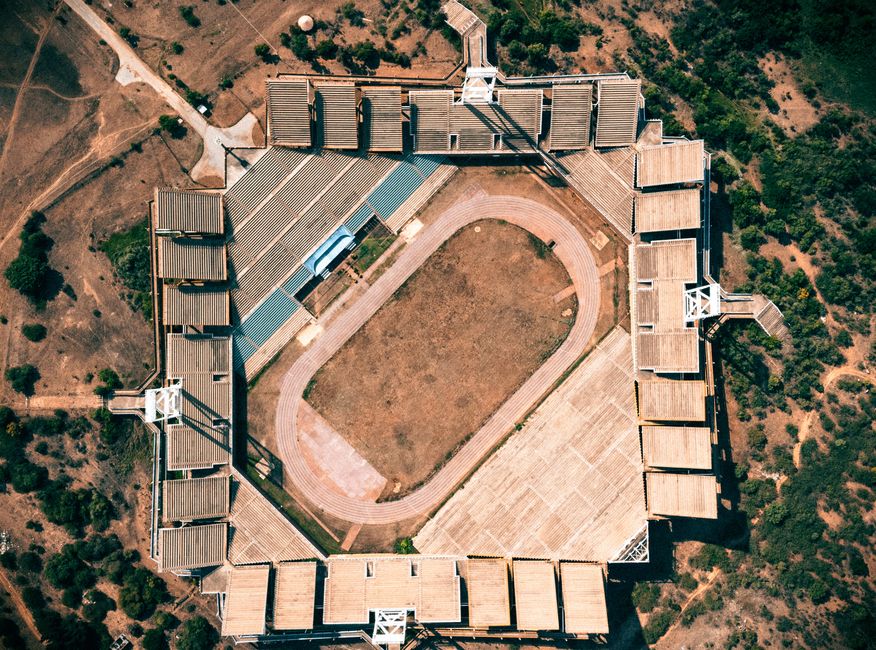
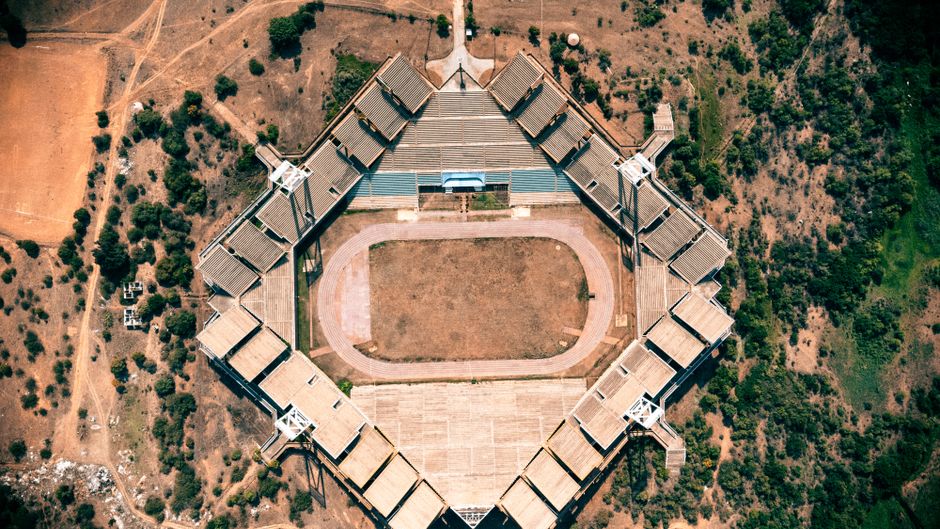
The phenomenon extends to formal facilities too. Venues like Marks Park in Observatory and several municipal grounds across the southern suburbs report fixture backlogs stretching into 2027. Even alternative spaces—abandoned schoolyards in Bedfordview, community centres in Orange Farm—are being activated by informal groups organizing their own weekend tournaments.
What's particularly noteworthy is the age demographic. While youth football remains steady, the 30-45 age bracket now represents 31% of new registrations, suggesting Johannesburg's residents are actively resisting the sedentary lifestyle trap that typically accompanies career consolidation.
Health professionals note this trend aligns with post-pandemic psychology. After lockdowns disrupted gym routines and isolated individuals, team sports offer something weights and home workouts cannot: accountability, camaraderie, and structured purpose. In a city where safety concerns can inhibit solo outdoor exercise, organized group activity provides security alongside fitness gains.
The question now isn't whether Johannesburg's football participation boom will continue, but whether the city's municipal and provincial authorities will adequately invest in maintaining the pitches and infrastructure this hungry participant base increasingly demands.
This article was compiled by AI from the sources linked above and screened before publishing. See our editorial standards.