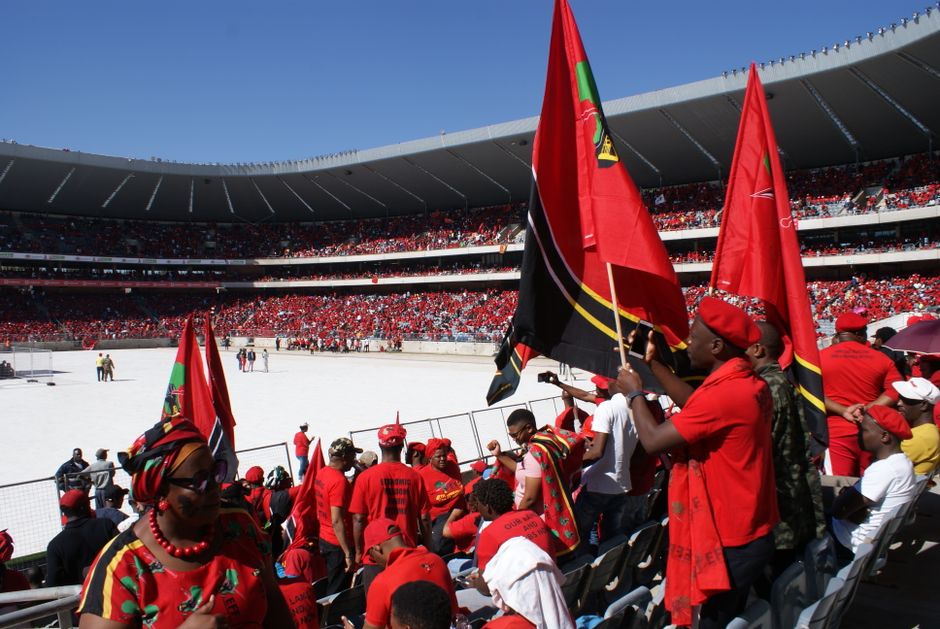
On a Thursday evening in Parktown, the Johannesburg Amateur Football League kicks off matches at Ellis Park's secondary pitches, where divots puncture the surface and the floodlights flicker with ageing inconsistency. For the 47 teams competing across three divisions, this is simply part of the game—making do with infrastructure that has seen better decades.
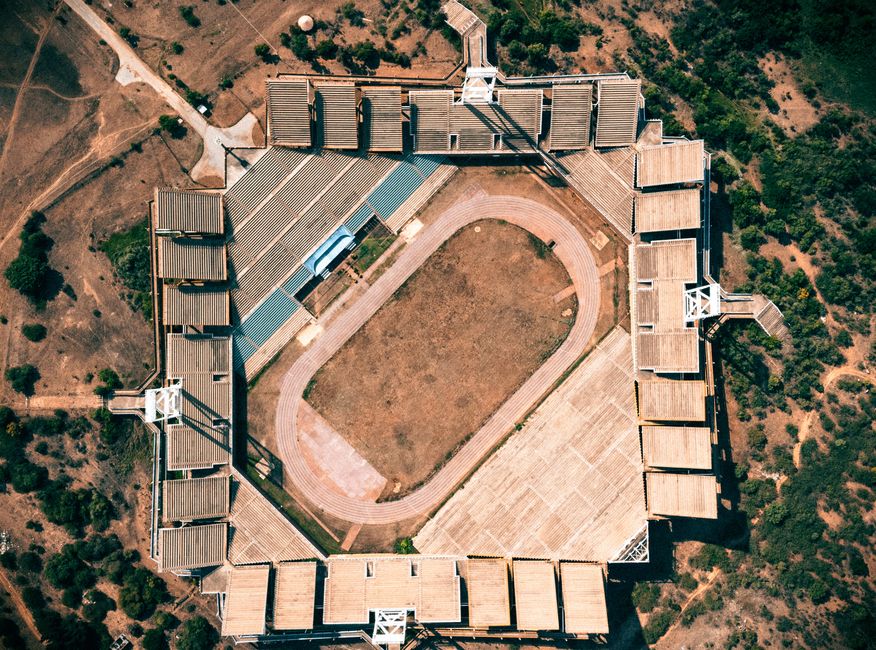
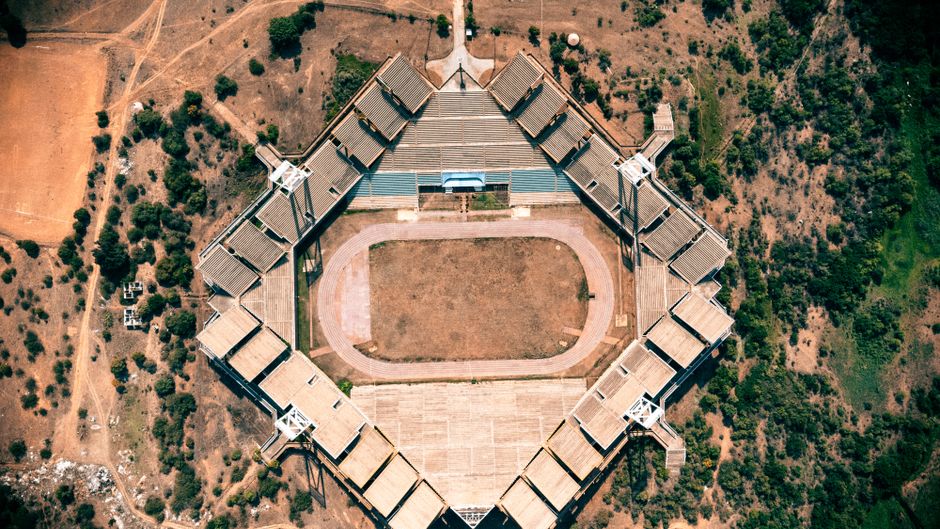
The challenge facing Johannesburg's recreational sport ecosystem is not a lack of enthusiasm. Thousands of amateur athletes participate in leagues across football, netball, cricket, and rugby each week. Yet the facilities supporting them tell a story of gradual deterioration and uneven access. While some neighbourhoods enjoy well-maintained municipal courts and fields, others make do with cracked surfaces and inadequate lighting.
The City of Johannesburg operates approximately 340 sports facilities citywide, ranging from community centres in Alexandra and Soweto to neighbourhood clubs in Fourways and Sandton. However, maintenance budgets have struggled to keep pace with demand. A 2024 audit revealed that roughly 30% of municipal facilities require significant repair work, from resurfacing tennis courts to replacing rusted equipment.
Private clubs have partially filled the gap. The Wanderers Club in Illovo remains a benchmark for quality, but membership fees starting at R15,000 annually price out many athletes. Mid-tier facilities like those operated by the Johannesburg District Cricket Association offer more accessible rates around R800–R1,200 monthly, yet waiting lists stretch months ahead.
Neighbourhood organisations are innovating within constraints. The Alexandra Amateur Sports Forum has rehabilitated three deteriorating courts in the township with grant funding and volunteer labour, creating accessible venues for netball and basketball. Similarly, the Diepsloot Community Sports Project operates on a shoestring budget, with volunteers maintaining fields that serve over 800 young players annually.
The infrastructure gap has real consequences. Clubs report that poor pitch conditions increase injury rates, particularly among youth players. Limited lighting discourages evening training for working amateurs. Absent changing facilities and water access deter women's participation in contact sports.
City officials acknowledge the backlog. A proposed R240-million sports facility upgrade programme, scheduled across 2026–2028, targets priority renovations at 45 municipal sites. Projects include resururfacing at Orlando Stadium's ancillary pitches, upgrading facilities in Soweto's Jabulani precinct, and installing LED lighting at selected Eastrand venues.
For now, Johannesburg's recreational athletes continue adapting. The Ellis Park league plays on despite the floodlights' temperament, while township clubs maximise fundraising from match revenues and sponsorships. The passion sustaining amateur sport here remains undimmed—but without sustained facility investment, that passion faces unnecessary friction.
This article was compiled by AI from the sources linked above and screened before publishing. See our editorial standards.