Kaizer Chiefs' Stadium Expansion Signals New Era for Soweto Football
As the Glamour Boys prepare for their biggest continental campaign in years, FNB Stadium upgrades reflect ambitions that stretch far beyond local competitions.
As the Glamour Boys prepare for their biggest continental campaign in years, FNB Stadium upgrades reflect ambitions that stretch far beyond local competitions.
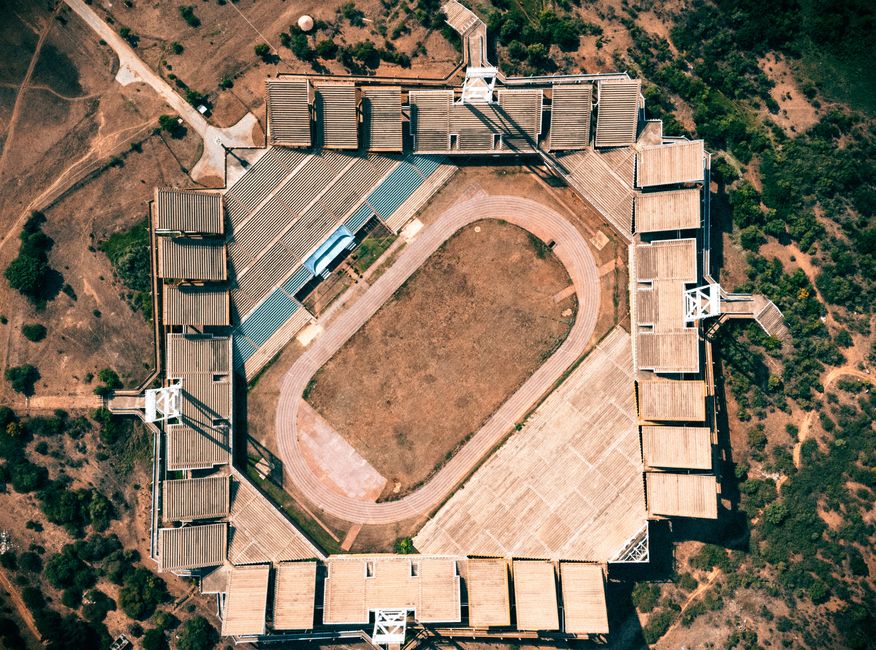
The sound of construction echoes across the FNB Stadium precinct in Nasrec this week, a fitting backdrop to one of South African football's most compelling narratives. Kaizer Chiefs' resurgence has captured national attention, and the infrastructure development underway at their home venue tells a deeper story about ambition, investment, and the club's determination to compete at Africa's highest level.
With their recent qualification for the CAF Champions League group stage—a significant achievement after years of continental disappointment—Chiefs have forced a reckoning among Johannesburg's football establishment. The 94,736-capacity FNB Stadium, shared with Orlando Pirates and the Springboks, now finds itself at the centre of conversation about whether South African venues can match the standards of elite African and global competitions.
The upgrades, budgeted at over R180 million, focus on hospitality suites, technical facilities, and broadcast infrastructure. These improvements aren't vanity projects. They're necessities. When Chiefs face continental opponents from North Africa or West Africa in August, international scouts and media will be watching not just the team, but the stadium itself.
For Johannesburg's sport ecosystem, this matters considerably. The city hosts Africa's most significant sporting infrastructure, yet its flagship venues have faced criticism for falling behind continental standards. Ellis Park, Loftus Versfeld across the border in Pretoria, and the Wanderers have all undergone similar evaluations in recent years.
Chiefs' moment feels different, though. Unlike the cyclical nature of international cricket tours or rugby seasons, the Champions League represents sustained, high-stakes competition across multiple months. The club's support base—drawing from Soweto, the broader Gauteng region, and diaspora communities internationally—provides genuine commercial incentive for venue improvement.
Stadium economics in South Africa remain precarious. Match-day revenues from a 60,000-capacity crowd generate approximately R15-20 million per game, but only if hospitality and premium seating are properly utilised. FNB's current configuration leaves significant money on the table, particularly in premium sections.
The ripple effects extend beyond Chiefs. Pirates, navigating their own European qualification attempts, benefit from improved facilities. The South African Football Association gains leverage when hosting continental matches. And Johannesburg itself—a city that has struggled to translate its sporting heritage into contemporary global relevance—stakes a claim on African football's conversation.
Whether Chiefs' continental campaign sustains beyond this season remains uncertain. But the stadium improvements are permanent, signalling that Johannesburg's football ambitions have genuinely shifted.
This article was compiled by AI from the sources linked above and screened before publishing. See our editorial standards.
How does this story make you feel?
Spread the word
About this article
Published by The Daily Johannesburg
Daily brief
Free, in your inbox before 7am. Weekdays.
More in Sport