While the Springboks and Kaizer Chiefs capture national attention, a quieter revolution is unfolding across Johannesburg's townships and suburbs. Local sports clubs—many operating with shoestring budgets and volunteer coaches—are becoming the city's unsung champions, weaving together communities and creating genuine pathways for youth development.
At Dobsonville Athletic Club in Soweto, membership has surged 40 percent over the past 18 months. The club, which operates from a converted municipal sports ground off Vilakazi Street, now hosts over 300 registered members across football, athletics, and netball programmes. Club secretary Thabo Mthembu notes that the real victory isn't measured in trophies alone. "We've created safe spaces where young people can belong," he explains. The club charges modest monthly fees—R45 for juniors, R80 for seniors—ensuring accessibility remains paramount.
In the northern reaches of the city, Randburg United has quietly established itself as a model for sustainable community sport. Operating from facilities near Cresta Shopping Centre, the club combines competitive football with structured life-skills coaching. Their under-17 team recently qualified for the Gauteng Youth League playoffs, but equally significant is their partnership with local schools in Honeydew and Bryanston, where they run free weekend clinics reaching approximately 150 young athletes monthly.
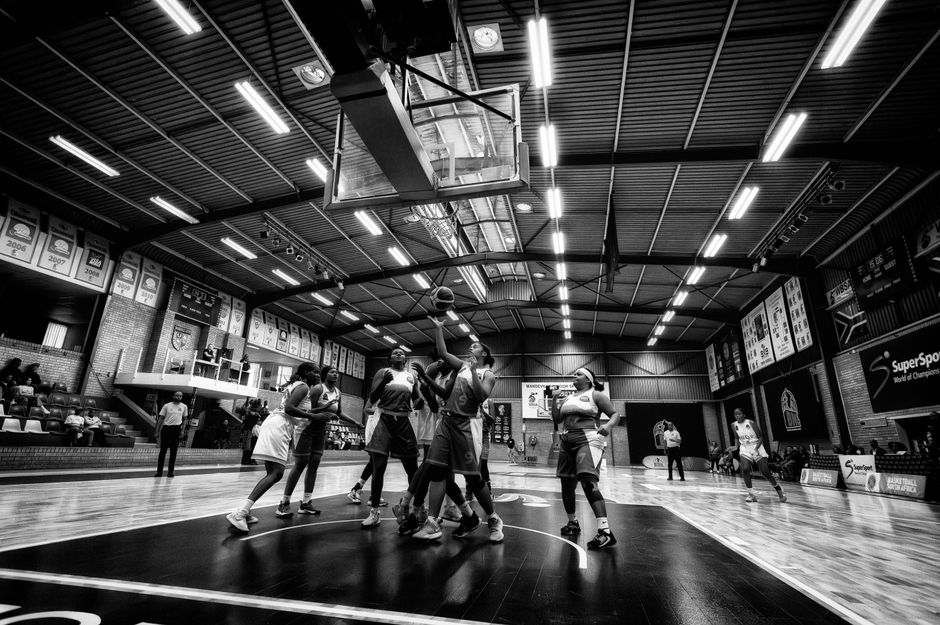
The impact extends beyond athletics. Johannesburg's netball community has experienced remarkable growth, with clubs like Germiston Netball Association reporting that participation among girls aged 12-18 has nearly doubled since 2024. The association now operates five competitive teams and runs grassroots development programmes across the East Rand corridor, from Boksburg to Nigel.
What distinguishes these clubs is their holistic approach. Many now incorporate mental health support, nutritional guidance, and academic mentoring alongside training. Soweto-based Jabulani Sports Club, operating since 1987, recently launched a bursary scheme that has already supported 12 students pursuing sports science and coaching qualifications at tertiary institutions.
The infrastructure challenges remain real. Most clubs operate from aging municipal facilities with minimal government subsidy. Yet their resilience is striking. Through corporate sponsorships, community fundraising, and dedicated volunteer networks, Johannesburg's grassroots sports organisations continue expanding their reach.
As national sporting bodies grapple with transformation targets, these local clubs are already living the reality—building champions from within communities, one training session at a time.
This article was compiled by AI and screened before publishing. See our editorial standards.