Johannesburg’s Property Sellers Face Longer Waits and Tougher Discounts
Days on market rise in key suburbs while vendor discounting reaches new highs, forcing sellers in Sandton and Fourways to rethink strategy.
Days on market rise in key suburbs while vendor discounting reaches new highs, forcing sellers in Sandton and Fourways to rethink strategy.
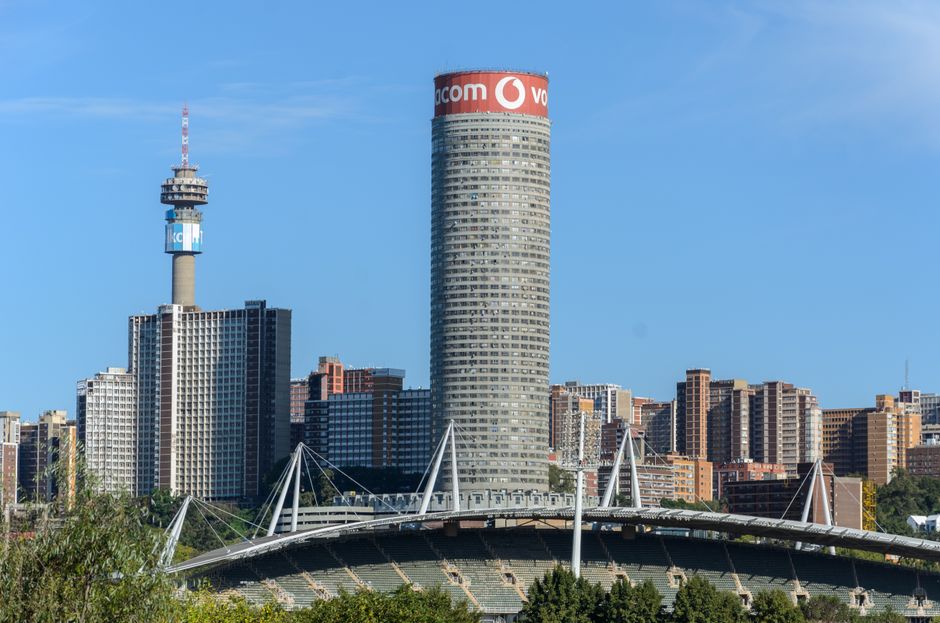
Johannesburg homeowners hoping for a quick sale are finding patience is now essential, as the city’s average days on market climbs and sellers are accepting deeper discounts to close deals.
These shifts matter because they mark a sharp turn from last year, when most homes in Gauteng’s capital were selling briskly and at prices close to asking. For prospective buyers and investors, the change signals more room to negotiate. For sellers, it suggests that pricing strategies set in the heady days of 2023 may need urgent recalibration.
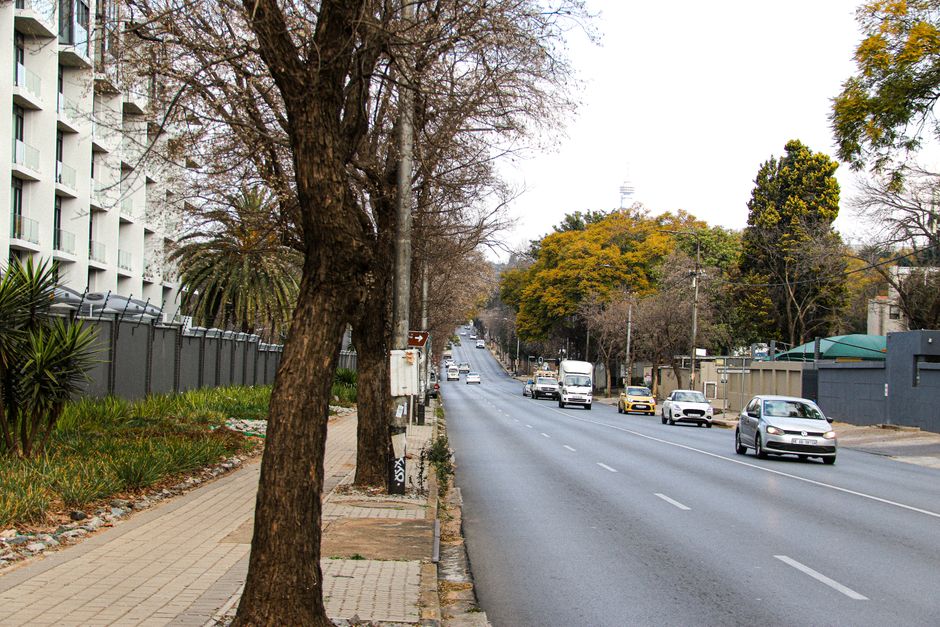
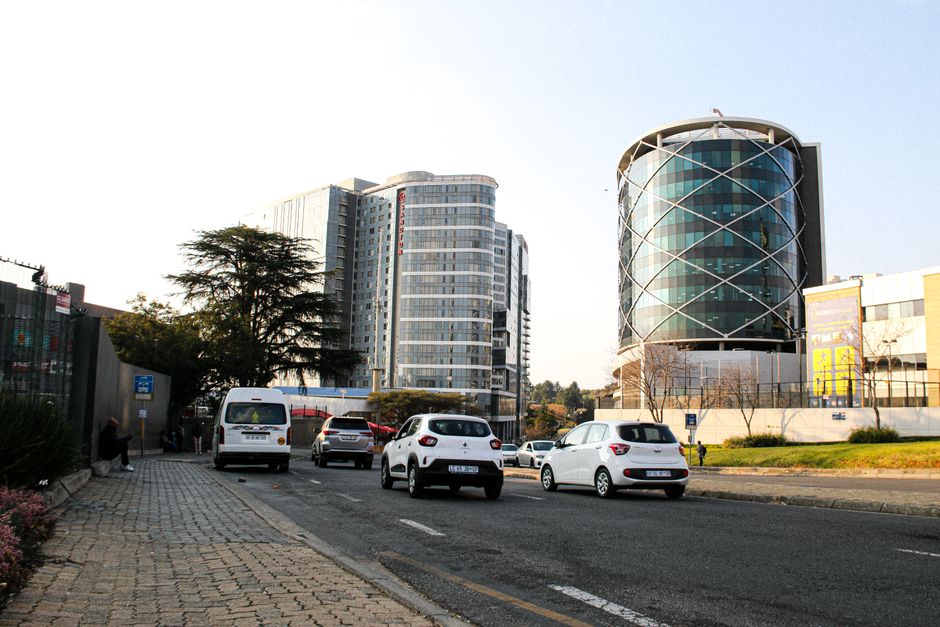
Sectional title units in Sandton, especially in blocks along Rivonia Road and around the Sandton City precinct, are now languishing on the market for a median of 68 days, according to Pam Golding Properties. That’s a marked increase from 41 days at the same point last year. Agents in the Fourways area, spanning Norscot to Craigavon, report similar slowdowns, with Freehold houses sticking for more than 75 days before offers roll in. Meanwhile, Melville’s recent urban renewal push has softened the blow there, but even on 7th Street, units are typically listed for over 50 days before serious buyers emerge.
According to Lightstone Property’s latest data, the average Johannesburg property stayed on the market for 62 days in June 2026, up from 48 days in June 2025. More telling, the average vendor discount—the gap between initial listing price and eventual sale price—has widened to 10.2%. In rand terms, that means a property originally priced at R1.5 million is likely to sell for around R1.35 million. Sectional title units, popular among investors and first-time buyers, are subject to some of the steepest negotiations, with discounts of up to 12% common in Midrand’s newer developments and Northcliff’s established blocks.
Industry insiders note that Johannesburg’s higher interest rates and post-election jitters are fuelling buyer caution. Many homeowners who are slow to adjust asking prices—especially in competitive suburbs like Rosebank and Parktown North—find that their properties gather digital dust on listings portals such as Private Property and Property24.
Experts recommend that sellers work closely with local agents who understand recent sales on streets like Daphne Avenue in Auckland Park or Scott Street in Waverley. Pricing slightly below the market median can generate more rapid interest and multiple offers, even as average selling times stretch across the city. For those eyeing an entry into sectional title or upmarket clusters, this winter may offer a rare window to strike a favourable deal—provided nerves hold out and offers are grounded in strict market realities.
How does this story make you feel?
Spread the word
About this article
Published by The Daily Johannesburg
Daily brief
Free, in your inbox before 7am. Weekdays.
More in Property