Is Renting Actually Cheaper Than Buying Right Now in Johannesburg?
A new analysis reveals how monthly costs for tenants stack up against homeowners in the city’s most popular suburbs.
A new analysis reveals how monthly costs for tenants stack up against homeowners in the city’s most popular suburbs.
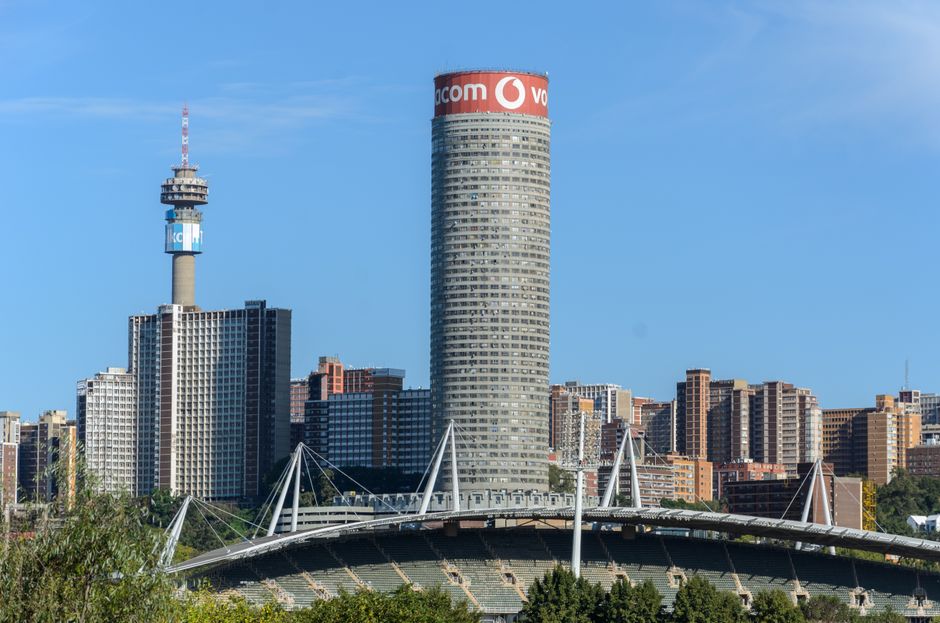
Most Johannesburg residents eyeing a two-bedroom flat in 2026 will pay less in rent than they would to own, with median monthly rentals now undercutting average bond repayments in several prime areas, according to new figures compiled by The Daily Johannesburg this week.
The gap between renting and buying has widened as interest rates remain stubbornly high, leaving would-be homeowners feeling the squeeze. For many, homeownership remains a distant dream despite the drop in sales prices across some northern suburbs, thanks to rising bond costs and higher utility charges. This affordability issue is front and centre for young professionals and families deciding where to set down roots, particularly in city hotspots like Rosebank and Fourways.
Take Parktown North and Morningside: these neighbourhoods, both magnets for upwardly mobile tenants, now typify the shifting rental-buying equation. According to property data from Ooba and local rental platform Private Property, a typical two-bedroom apartment rents for around ZAR 10,000 per month in Parktown North, compared with an average bond repayment close to ZAR 13,500 for a similar unit when factoring in a 11.5% prime lending rate on a ZAR 1.5 million bond.
In Fourways, the gap is nearly as stark. Sectional title units—so popular with investors for their lock-up-and-go convenience—average ZAR 8,500 in monthly rent, while the same property on the current mortgage market sees monthly obligations pushing towards ZAR 11,000. Even in sought-after Sandton, the numbers favour tenants. Rents have softened slightly over the past year, reflecting a general supply overhang, but the cost to buy has not followed suit thanks to escalating rates and last year's increase in municipal figures.
Data from Lightstone shows Johannesburg’s median home sales price is about ZAR 1.5 million as at June 2026, with sectional titles particularly strong in areas like Melville and Sunninghill. But the real kicker comes when buyers must factor in additional upfront costs—transfer duty, legal fees, and at least a 10% deposit. By contrast, most rental properties in The Parks and Midrand require just a two-month refundable deposit upfront. The increased popularity of renting shows up in the figures: TPN Credit Bureau reports that the city’s formal residential vacancy rate has dropped to 6.1% this winter, the lowest since the pandemic era slump in 2021.
Utilities are another sore point. Eskom’s latest 12% tariff hike, implemented in April, has further burdened homeowners, with rates passed straight onto bond-payers. Tenants in the city’s larger developments like The Leonardo often benefit from bulk-negotiated tariffs or solar backup agreements that blunt the edge of these charges—a selling point letting agencies like Pam Golding and Rawson now highlight.
Prospective buyers are advised by the Johannesburg Property Owners and Managers Association (JPOMA) to carefully run the numbers before committing. While homeownership can deliver returns in the long run and create stability, the first five years now come with significant financial exposure unless prices fall sharply or rates ease.
For now, renters seem to have the upper hand—especially those needing mobility, flexibility, and lower risk. Industry watchers say that trend is unlikely to change until the Reserve Bank signals a cut to the repo rate, something not widely expected before 2027. Meanwhile, Joburg’s renters remain spoilt for choice—and ahead on the monthly books.
How does this story make you feel?
Spread the word
About this article
Published by The Daily Johannesburg
Daily brief
Free, in your inbox before 7am. Weekdays.
More in Property