Johannesburg Luxury Property Yields: Sandton vs Fourways
Discover which Johannesburg neighbourhoods deliver the strongest rental yields for luxury investors. Sandton and Fourways performance data compared.
Discover which Johannesburg neighbourhoods deliver the strongest rental yields for luxury investors. Sandton and Fourways performance data compared.
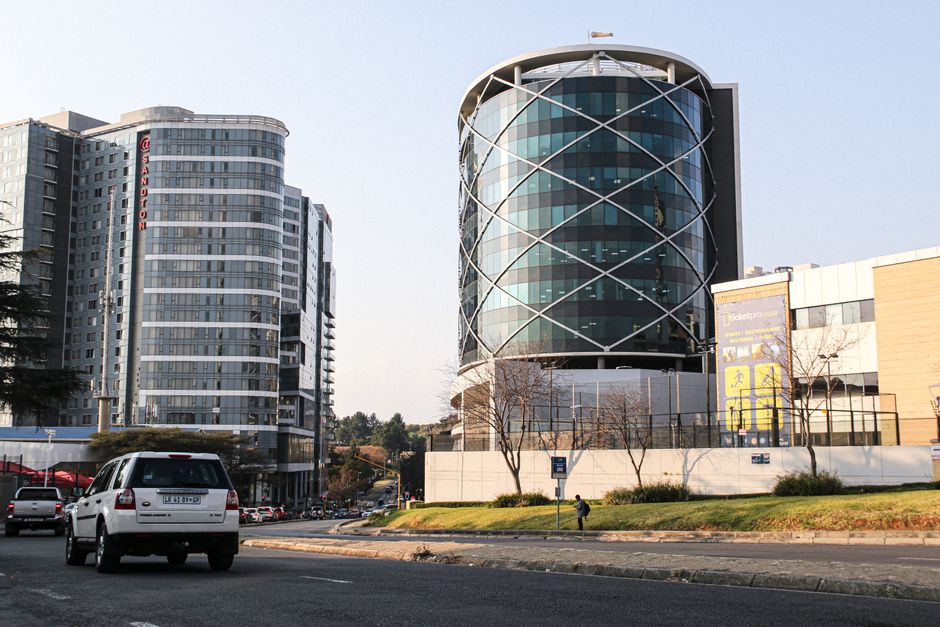
Johannesburg's ultra-luxury property market is telling a clear story for investors willing to read the numbers. While headline prices in Sandton and the northern suburbs continue to climb, the real indicator of health lies in rental yields and capital appreciation—and recent data suggests the market is rewarding informed choices.
Properties in Sandton's prestige addresses, particularly around the Michelangelo Hotel precinct and along elements of the Jan Smuts Avenue corridor, are commanding rental yields between 3.5 and 4.5 percent annually. For a ZAR 15 million property—well above Johannesburg's ZAR 1.5 million average—that translates to meaningful monthly income while owners wait for capital growth. Comparable properties in Fourways and Midrand, traditionally positioned as growth zones, are delivering slightly stronger yields of 4 to 5 percent, reflecting their appeal to corporate tenants and expatriate families seeking proximity to business hubs without Sandton's premium overhead.
What's driving these returns? A confluence of factors. The flight to quality remains pronounced: investors are gravitating toward sectional title complexes in established nodes like Morningside, Woodmead, and around the Wanderers precinct, where security, amenities, and liquidity are assured. The data supports this—sectional title units in these areas have demonstrated average annual capital appreciation of 6 to 7 percent over the past three years, outpacing broader market growth.
Melville's urban renewal narrative, meanwhile, is attracting a different investor cohort. Younger professionals and small-scale investors are purchasing converted townhouses and mixed-use developments along 7th Street and towards the Melville School precincts, targeting yields north of 5 percent. While unit prices remain significantly below Sandton equivalents, the velocity of transactions and tenant demand paint a picture of genuine, sustainable interest rather than speculative fever.
The luxury market's current composition also reveals investor sophistication. Bank of Johannesburg and ABSA lending data indicates that high-net-worth buyers are increasingly acquiring second and third properties for income generation, not vanity. International buyers—particularly from Europe and the Middle East—continue to view Johannesburg residential property as a hedge against currency volatility, despite global uncertainty.
However, one cautionary note: gross yields tell only part of the story. When municipal rates, property tax, maintenance levies, and security costs are factored in, net yields compress to between 2.5 and 3.5 percent for prime Sandton addresses. Savvy investors are adjusting expectations accordingly, focusing instead on long-term capital preservation and modest income rather than aggressive rental returns. That calculus—yield plus growth minus costs—is what separates the trophy buyers from the strategic ones.
This article was compiled by AI and screened before publishing. See our editorial standards.
How does this story make you feel?
Spread the word
About this article
Published by The Daily Johannesburg
Daily brief
Free, in your inbox before 7am. Weekdays.
More in Property