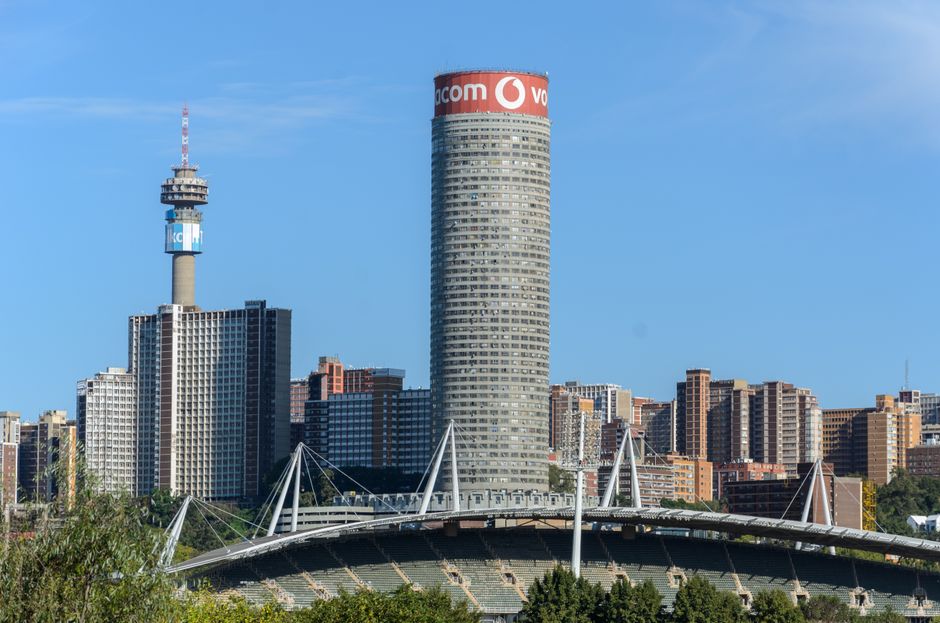
Johannesburg's rental market is entering uncharted territory. As municipal planning decisions reshape the city's residential landscape, vacancy rates have climbed to 8.2% in premium areas like Sandton and Morningside—a significant shift from the sub-5% rates recorded just 18 months ago. For tenants, this cooling market presents both leverage and complexity.
The catalyst? A combination of factors. The City of Johannesburg's recent approval of mixed-use zoning along the Bryanston-Sunninghill corridor has unlocked new sectional title developments, flooding the market with 2,000+ new rental units. Simultaneously, proposed changes to the National Rental Housing Regulatory Framework—still under consultation—are forcing landlords to reassess their strategies. Property managers report increased caution, with many holding units off-market while awaiting clarity on compliance costs and tenant dispute resolution mechanisms.
In growth corridors like Fourways and Midrand, the impact is more nuanced. Vacancy rates hover around 6%, yet tenant turnover has accelerated. New sectional title buildings marketed through Century City and Linbro Park are offering 12-month lease flexibility and reduced deposit requirements—tactics previously unthinkable in Joburg's landlord-favoured market. The average rental for a two-bedroom apartment in these areas remains steady at ZAR 11,000-14,000 monthly, but negotiating power has shifted toward occupants.
The Melville urban renewal initiative adds another layer. Heritage building conversions on 4th Avenue and surrounding streets are creating premium rental inventory, yet planning delays have frustrated developers. Tenants eyeing renovated Victorian conversions should expect ZAR 18,000-22,000 for comparable units, but the policy uncertainty means lease terms are increasingly negotiable.
Smart renters are capitalising on this window. Obtaining lease agreements now—before regulatory clarity emerges—locks in current rates and terms. Advocacy organisations like the Johannesburg Tenants Union are pushing for standardised dispute resolution processes, which could reshape landlord-tenant relations. Prospective occupants should request clarity on maintenance responsibilities, utility arrangements, and lease duration before signing.
The City's Integrated Development Plan updates, expected mid-2026, will likely trigger further market movement. Until then, vacancy sits in landlords' favour—but tenant demand remains robust. For renters navigating this transition, understanding local zoning changes and regulatory timelines is no longer optional; it's essential due diligence.
This article was compiled by AI and screened before publishing. See our editorial standards.